Key takeaways
- Pack a three-layer clothing system: nights near Chinchero can drop toward freezing while midday sun feels warm.
- UV rises by about 10 percent for every 1,000 meters of altitude, so SPF 50, sunglasses, and a brimmed hat are not optional.
- Bring broken-in waterproof hiking boots for uneven terrain at Moray, Maras, and the terraced ruins.
- Sky Dome Peru supplies heating, bedding, towels, and a warm suite, so you can leave bulky sleeping gear at home.
- A small tripod and a headlamp with a red-light mode turn a clear Sacred Valley night into real stargazing.
Pack for two climates in one day: cold, near-freezing nights and warm, high-altitude afternoons under fierce sun. That single fact shapes this entire andean glamping packing list. Sky Dome Peru sits high in Cusco's Sacred Valley near Chinchero, so your bag needs warm layers, serious sun protection, trail-ready footwear, and a few small extras for the night sky. Get those four categories right and everything else is comfort.
The good news for anyone wondering what to pack for Cusco is that a glamping suite removes a lot of the usual burden. You are not hauling a tent or a sleeping bag. You are packing smart clothing and a short list of gear, then letting the suite handle the rest.
Clothing Layers: The Core of Your Andean Glamping Packing List
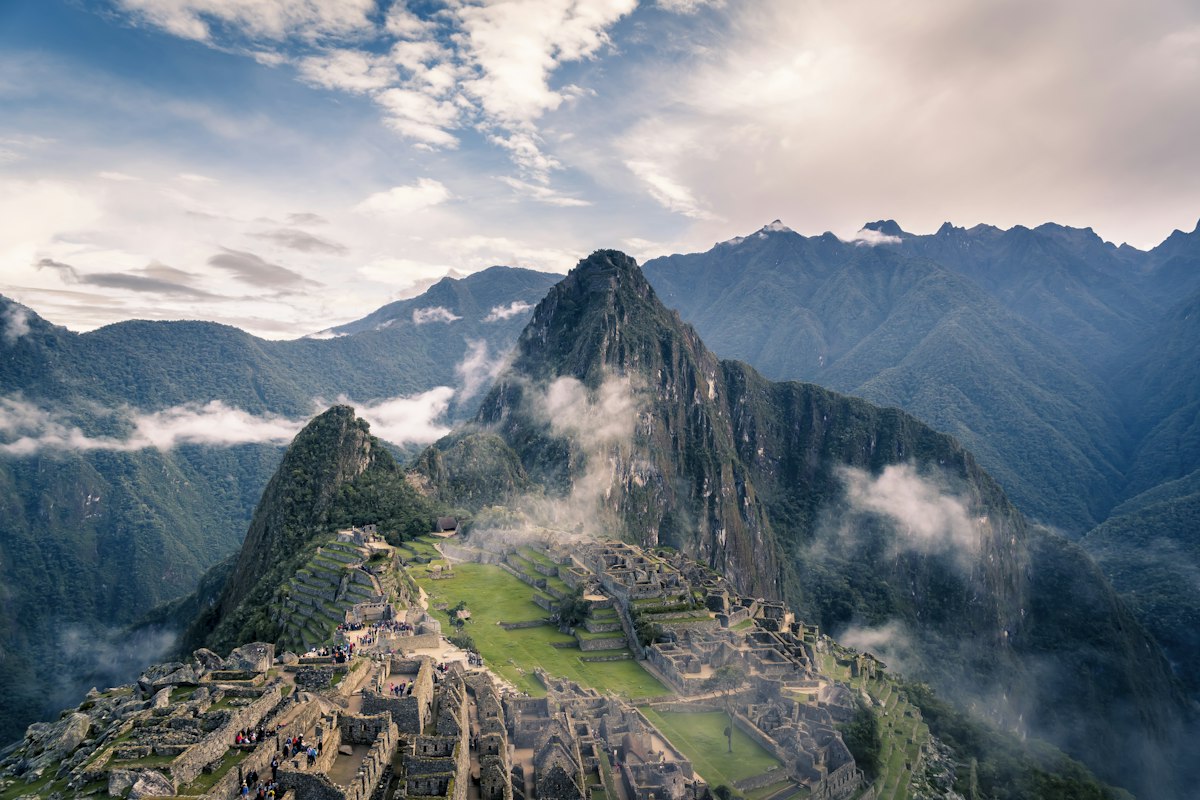
Layering sits at the top of any andean glamping packing list because the Sacred Valley gives you a wide daily temperature swing. Warm afternoon sun can give way to a cold night that feels close to freezing, especially in the dry season from roughly May to September. One heavy coat cannot solve that. A flexible system can.
Build around three layers. A moisture-wicking base layer sits against your skin and keeps sweat off you on a climb. A fleece or light down jacket traps warmth for the evening. A windproof, water-resistant shell blocks gusts and the occasional shower. During a single day you might peel down to the base layer at a sunny viewpoint, then stack all three as the temperature drops after sunset.
A few specifics make the system work:
- Two base-layer tops and one pair of thermal leggings for cold evenings.
- A warm hat and light gloves, which weigh almost nothing and transform a chilly night.
- A buff or scarf to cover your neck against wind and dust.
- Comfortable trousers that move well on uneven ground; skip heavy jeans.
If you are still deciding when to come, the season changes how much insulation you need. The dry season nights run colder, while the wet season brings milder evenings and more rain, so match your layers to the month you choose.
What Footwear Works for Ruins, Salt Mines, and Terraces?
Bring waterproof hiking boots or sturdy trail shoes with good grip, already broken in before you fly. The paths around the Sacred Valley are where comfortable footwear earns its place in your bag. Moray's concentric terraces, the narrow walkways of the Maras salt mines, and the stone steps of the ancient ruins all reward traction and ankle support.
The ground is rarely flat. At the salt pans you walk along raised earthen edges between shallow pools, and a slip there is easy in smooth-soled sneakers. At the terraced sites you climb and descend uneven Inca stonework. Dust in the dry season and mud in the wet season both argue for a closed, grippy shoe rather than sandals.
Pack two footwear options if you have room. Your boots handle the active days, and a lighter pair of shoes or slip-ons gives your feet a rest around the suite in the evening. Bring thicker socks than you think you need, because they cushion long days on hard ground and add warmth at night.
For a sense of the terrain before you arrive, read our visitor's guide to the Maras salt mines. It describes the walkways and the footing so you can picture exactly what your shoes will face.
How Serious Is Sun Protection in the Andes?
Very serious, and most first-time visitors underestimate it. The World Health Organization states that UV levels increase by approximately 10 percent for every 1,000 meters of altitude (World Health Organization). The Sacred Valley sits thousands of meters above sea level, so the sun reaching your skin is noticeably stronger than what you feel at home, even when the air is cool.
That gap between how warm it feels and how strong the sun actually is catches people out. You can burn on a breezy, overcast afternoon because the cloud cover does little to stop ultraviolet light at altitude. Thin mountain air simply filters less of it.
Your sun kit should include:
- Broad-spectrum SPF 50 sunscreen, reapplied through the day.
- A lip balm with SPF, since lips burn fast and heal slowly.
- UV-blocking sunglasses to protect your eyes against glare off stone and water.
- A wide-brimmed hat that shades your face, ears, and neck.
Pack these even if you are visiting in the cooler months. The altitude does not take a season off. A long-sleeved sun shirt is a smart addition for the exposed hours at Moray or on an open hillside, because fabric is the most reliable sunblock there is.
What Camera and Stargazing Extras Should You Bring?
Bring a small tripod, a headlamp with a red-light mode, and spare batteries. A clear night in the Sacred Valley, far from city glow, shows a density of stars most travelers rarely see, and a glass dome frames it from your bed. The extras that let you actually capture and enjoy it are light and easy to pack.
Cold drains batteries quickly, so carry spares and a power bank, and keep them in an inside pocket where your body heat slows the drain. A phone can shoot the night sky in its night mode, but a compact tripod makes the difference between a blurry smudge and a sharp Milky Way. A red-light headlamp lets you adjust settings without wrecking your night vision or your companions'.
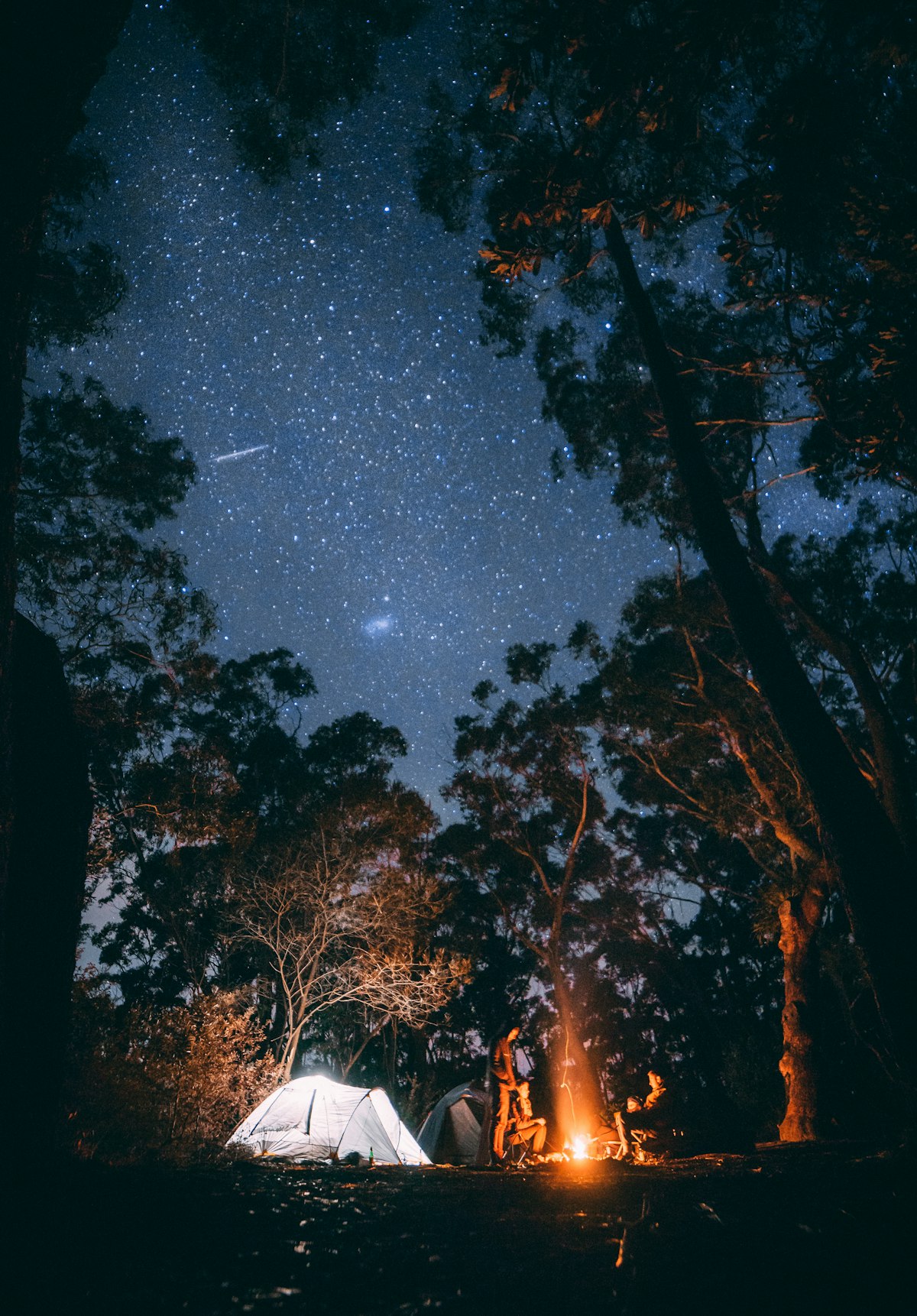
A few more night-sky helpers: a stargazing app to name what you are seeing, a warm blanket if you plan to sit outside the dome, and a notebook if you like to jot down what you spot. None of this is bulky, and together it turns a pretty view into a memory. For the full picture of what the valley sky offers and when it is clearest, see our complete guide to stargazing in the Sacred Valley.
What Does Your Glamping Suite Already Provide?
Quite a lot, which is exactly why you can pack light. A luxury dome is a furnished room, not a bare tent, so the heavy items that weigh down a typical camping list stay at home. At Sky Dome Peru your suite comes heated, with a real bed, warm bedding, fresh towels, and a comfortable interior that holds its warmth through a cold Andean night.
That means you can safely leave behind the gear that fills most packs:
- Sleeping bags, liners, and camping mats.
- Towels and bulky toiletry quantities; a small travel kit is enough.
- Heavy blankets or extra bedding.
- Cooking equipment and water-purification gadgets for your stay on site.
What you still bring is personal: your clothing layers, footwear, sun kit, medications, travel documents, a reusable water bottle, and any devices with chargers and adapters. Think of the suite as covering shelter and comfort, while you cover movement and protection.
One last practical note. Give yourself a day to adjust to the altitude before any strenuous hiking, drink more water than usual, and keep your layers and sun protection within easy reach rather than buried at the bottom of your bag.
The next step is simple: lay out your three clothing layers, your broken-in boots, and your sun kit on the bed before you zip the bag, and confirm each one is in there. With those essentials handled and the suite providing the rest, you arrive in the Sacred Valley ready to hike, explore, and watch the stars without a single thing weighing you down.
Frequently asked questions
What is the single most important thing to pack for glamping in Cusco?
Warm layers. The Sacred Valley sits high in the Andes, so temperatures swing from warm midday sun to cold nights near freezing. A base layer, a fleece or down mid-layer, and a windproof shell cover almost every situation.
Do I need special sun protection at this altitude?
Yes. The World Health Organization notes UV levels rise about 10 percent per 1,000 meters of altitude. At Sacred Valley elevations that means strong sun, so pack SPF 50 sunscreen, UV-blocking sunglasses, and a wide-brimmed hat even on cool days.
What do I not need to pack because the glamping suite provides it?
At Sky Dome Peru your suite includes heating, a proper bed with warm bedding, towels, and a comfortable interior. You can skip sleeping bags, camping mats, and bulky cold-weather bedding and travel much lighter.
What footwear should I bring for the ruins and salt mines?
Waterproof hiking boots or sturdy trail shoes with good grip, already broken in. Paths at Moray, the Maras salt mines, and the terraced ruins are uneven, dusty, and sometimes slick, so ankle support and traction matter more than style.