
Key takeaways
- Glamping means glamorous camping: you sleep in nature with hotel-style comforts like real beds, heating and private bathrooms, so you skip tents, sleeping bags and setup.
- The global glamping market was valued at USD 3.8 billion in 2025 and is projected to reach USD 7.9 billion by 2033 (Grand View Research), signaling fast mainstream adoption.
- The word entered the Oxford English Dictionary in 2016, with the first recorded use dating to 2005 (U.S. National Park Service).
- Glass domes and geodesic structures have become the signature of modern glamping because their transparent panels turn a clear night sky into part of the room.
- Glamping suits couples, families, first-time campers and anyone who wants nature without roughing it, which is why the Andes near Cusco make such a strong destination.
Glamping is glamorous camping: you sleep surrounded by nature but inside a comfortable, furnished space with a real bed, heating and usually a private bathroom. You get the mountain air, the quiet and the night sky without pitching a tent, unrolling a sleeping bag or sleeping on the ground.
The word itself is a blend of "glamorous" and "camping," and the style has grown from a niche idea into a mainstream way to travel. If you have ever wanted to wake up to a wild landscape but dreaded the discomfort of traditional camping, this guide explains what glamping actually involves, what to expect inside a modern suite, and who it suits best.
What Does Glamping Mean, and How Is It Different From Camping?
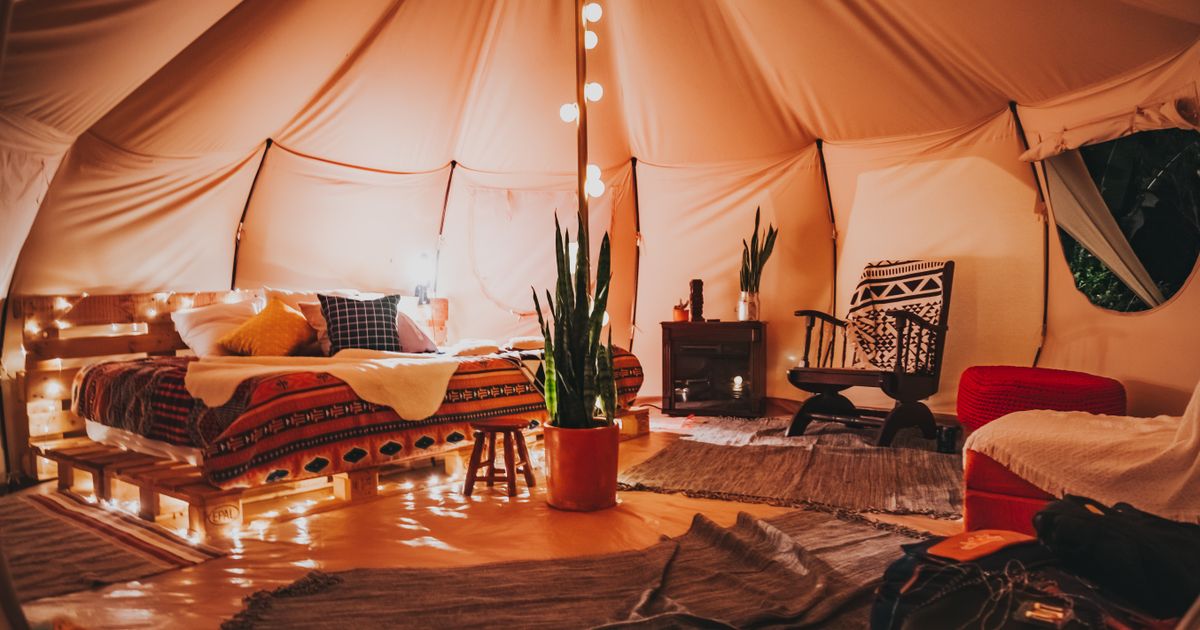
Glamping means staying in a furnished, permanent or semi-permanent structure in a natural setting, with hotel-style comforts built in. The word "glamping" was added to the Oxford English Dictionary in 2016, with the first recorded use dating to 2005 (U.S. National Park Service, 2024). The core idea is simple: keep the nature, drop the hardship.
Traditional camping asks you to carry gear, pitch a tent, cook on a portable stove and sleep on a thin mat. Glamping removes all of that. Your accommodation is already standing when you arrive, with a proper bed, furniture and often climate control. You bring a bag, not a car full of equipment.
Think of it as a spectrum. On one end sits backcountry camping, where you rely entirely on what you packed. On the other sits a glass dome with a king bed, underfloor heating and a bathroom. Glamping lives firmly on the comfortable end, while still placing you in the middle of a landscape a hotel rarely reaches.
Why Have Glass Domes and Geodesic Structures Become So Popular?
Glass domes and geodesic structures have become the signature look of modern glamping because their transparent panels turn the sky into part of the room. In a traditional cabin you look out a window. In a dome, the ceiling itself frames the stars, so you can lie in bed and watch the night sky directly overhead.
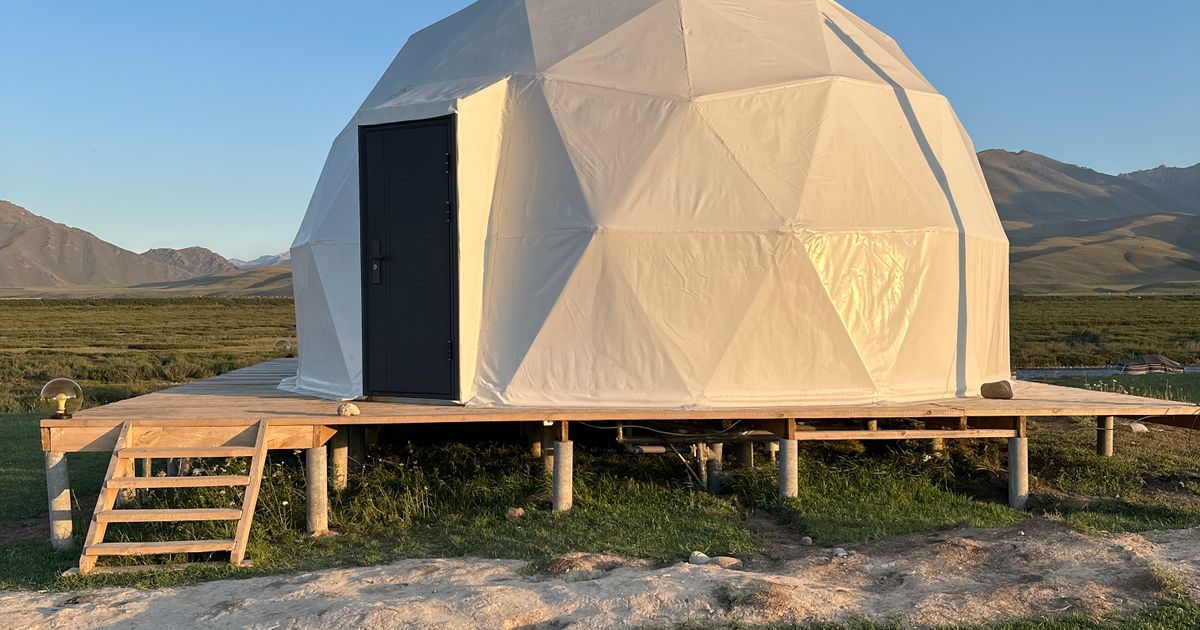
Geodesic domes are also practical. Their curved, triangulated frames are strong, wind-resistant and efficient to heat, which makes them well suited to exposed mountain sites. That combination of a 360-degree view and genuine structural stability is why domes now anchor many of the most striking glamping sites around the world.
The style matters for travelers too. Cabins and pods still make up the largest share of glamping accommodations at 43.0% (Grand View Research, 2026), but transparent domes have become the format people picture when they imagine a luxury stay in nature. For a closer look at how domes stack up against a standard room, see our comparison of glass dome glamping versus traditional hotels in Cusco.
What Amenities Do Modern Glamping Suites Offer?
Modern glamping suites offer the comforts of a boutique hotel room placed in a wild setting. A typical suite includes a real bed with quality linens, heating for cold nights, electric lighting, and a private bathroom with a hot shower. Many add extras that a campsite simply cannot.
Common features you can expect in a well-equipped glamping suite:
- A proper bed with duvets and pillows, not a sleeping bag
- A private, en-suite bathroom with hot water
- Heating or climate control for temperature swings
- Electricity and lighting, often with charging points
- A seating area and sometimes a small kitchenette
- Large windows or transparent panels framing the view
The polish of these amenities is one reason the category is growing so fast. The global glamping market was valued at USD 3.8 billion in 2025 and is projected to reach USD 7.9 billion by 2033 (Grand View Research, 2026). Travelers increasingly expect nature and comfort together, rather than treating them as a trade-off.
Packing for a glamping trip looks different from packing for camping, because the heavy gear is already provided. You focus on clothing layers and personal items instead. Our guide on what to pack for Andean glamping in Cusco breaks down the essentials for a high-altitude stay.
Who Is Glamping Best Suited For?
Glamping suits anyone who wants to be in nature without giving up comfort, sleep or privacy. It is a natural fit for couples seeking a romantic escape, families who want an outdoor experience that still has a warm bed for the kids, and first-time campers who are curious about nature but wary of roughing it.
The demographics back this up. Travelers aged 18 to 32 account for 43.9% of glamping revenue, while Europe holds 35.0% of the global market (Grand View Research, 2026). Younger travelers in particular treat glamping as a way to reach remote, photogenic places while still sleeping well.
It also works for people with specific needs. If you want dark skies for stargazing, a quiet setting for a honeymoon, or a base near cultural sites without a long commute, a glamping suite often sits closer to the experience than a city hotel does. The main people it does not suit are those who want full backcountry solitude or the lowest possible price, since glamping trades some wildness and cost for comfort.
Why Are the Andes an Ideal Glamping Destination?
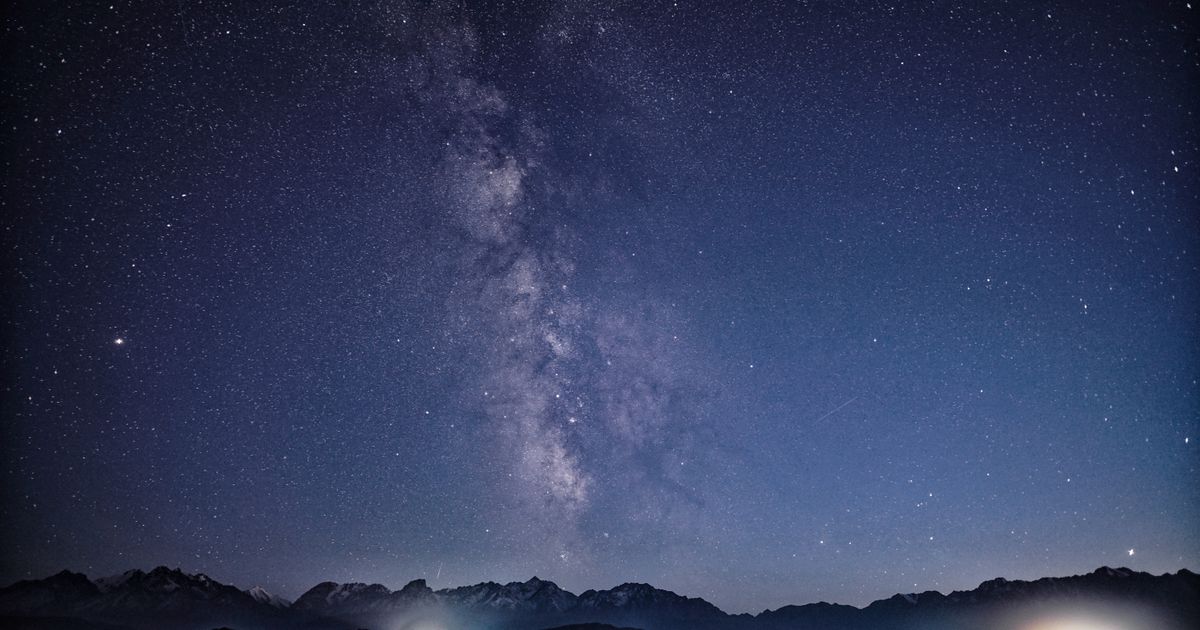
The Andes near Cusco combine high-altitude dark skies, dramatic scenery and dense cultural heritage, which makes the region one of the best places in the world to try glamping. The thin, dry mountain air produces exceptionally clear night skies, so a transparent dome becomes a private observatory for constellations you cannot see from the northern hemisphere.
Location is the other advantage. In Peru's Sacred Valley, near Chinchero, a glamping suite can place you within reach of Incan ruins, traditional weaving villages, alpaca hikes and day trips toward Machu Picchu, all from a bed with a mountain view. Sky Dome Peru builds its glass dome suites around exactly this mix: luxury comfort, open views of the Andean sky, and easy access to the valley's heritage sites.
For a beginner, that pairing answers the usual hesitation about camping at altitude. You get the wild setting and the night sky, but with heating, a hot shower and a real bed waiting at the end of the day. The landscape does the work, and the suite keeps you comfortable while it does.
The simplest next step is to pick a destination where the scenery justifies the stay, then confirm the amenities before you book. If a clear Andean night sky and easy access to the Sacred Valley sound like your kind of trip, start by comparing a few glass dome suites in the region and checking what each one includes.
Frequently asked questions
What does glamping mean?
Glamping is a blend of glamorous and camping. It means staying in nature in comfortable, furnished accommodation such as a dome, safari tent or cabin, with amenities like real beds, heating and private bathrooms instead of a basic tent.
How is glamping different from camping?
Camping means carrying and setting up your own gear and sleeping on the ground. Glamping provides a permanent furnished structure that is ready when you arrive, so you get the outdoor setting without the hauling, pitching or discomfort.
Is glamping worth the money?
For travelers who want nature without sacrificing sleep, privacy or warmth, yes. You pay more than a campsite but far less effort, and many glamping sites sit in scenic spots that regular hotels cannot reach.
What should I pack for a glamping trip?
Far less than for camping, since bedding and furniture are provided. Bring layers for temperature swings, sturdy shoes, a headlamp and any personal toiletries. High-altitude destinations like the Andes call for extra warm layers.
Do glamping domes have bathrooms and electricity?
Most modern glamping suites, including glass domes, include a private bathroom, electricity and heating. Specifics vary by property, so confirm amenities when you book, especially in remote or high-altitude locations.