
Key takeaways
- Cusco city sits at roughly 3,350 m (11,000 ft), high enough that AMS is common among arriving travelers (CDC Yellow Book 2026).
- About 25% of visitors who sleep above 2,450 m (8,000 ft) develop acute mountain sickness, per the CDC Yellow Book 2026.
- Sacred Valley towns sit about 450 to 550 m lower than Cusco, so sleeping there first follows CDC acclimatization guidance.
- Acute acclimatization usually takes 3 to 5 days; plan your first two nights lower and keep activity light.
- Hydration, rest, and coca tea ease symptoms, but descent is the only reliable fix if soroche gets worse.
Altitude sickness in Cusco affects a large share of arriving travelers because the city sits at roughly 3,350 m (11,000 ft), well above the level where symptoms begin. The practical fix is simple: sleep lower first, rise slowly, and give your body a few days to adjust before any demanding activity.
Most visitors fly in from near sea level, so the jump to Cusco is abrupt. Your lungs and blood need time to catch up with the thinner air. This guide explains why the Sacred Valley is gentler on arrival, how to spot early soroche, and the acclimatization habits that keep your trip on track.
Why the Sacred Valley eases altitude sickness in Cusco on arrival
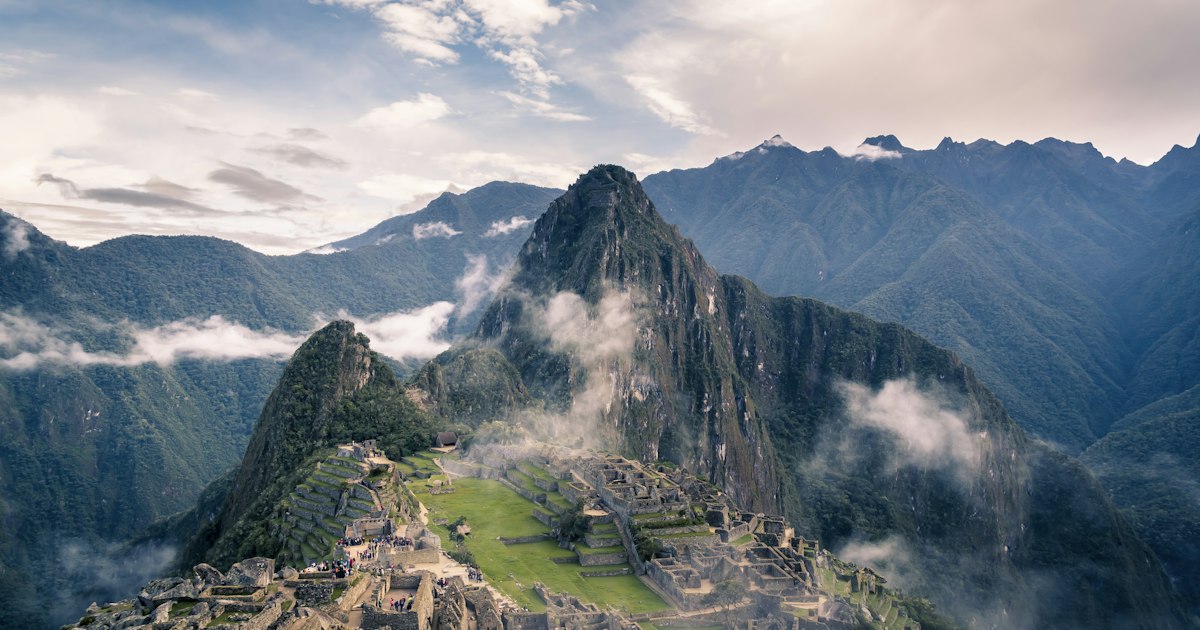
The Sacred Valley floor sits about 450 to 550 m lower than Cusco, which makes a real difference when your body is adjusting. Cusco is near 3,350 m (11,000 ft), while valley towns such as Urubamba and Ollantaytambo sit closer to 2,800 to 2,900 m. That gap puts you nearer the threshold where symptoms ease.
The CDC Yellow Book 2026 advises travelers to limit how much they raise their sleeping altitude each night once above 3,000 m, and to add rest days as they climb (CDC Yellow Book 2026, 2026). Flying straight into Cusco and sleeping there ignores that advice. Arriving in the valley first keeps your first nights lower, which is exactly what the guidance recommends.
Lower elevation means more oxygen in each breath. For a tired traveler stepping off a long flight, that extra margin often decides whether the first night is restful or rough. Sky Dome Peru's glamping suites sit in this lower valley near Chinchero, so you can ease into the altitude instead of starting at the top.
What are the early symptoms of soroche, and how do you recognize them?
Soroche, the Andean name for acute mountain sickness, usually shows up within a few hours of reaching altitude, and the CDC reports that about 25% of people who sleep above 2,450 m (8,000 ft) develop it (CDC Yellow Book 2026, 2026). The first signs are easy to miss if you blame them on travel fatigue.
Watch for these common early symptoms:
- Headache, often the first and most reliable sign
- Nausea or loss of appetite
- Fatigue and general weakness
- Dizziness or lightheadedness
- Trouble sleeping on the first night or two
Mild soroche feels a bit like a hangover. It is uncomfortable but usually passes with rest. The important rule is to stop climbing while you feel unwell. If a headache will not respond to rest and fluids, if you feel confused, or if you grow short of breath at rest, that is your signal to descend and seek help. Descent is the one reliable cure when symptoms escalate.
Pay attention to your own baseline. You know how you normally feel after a long trip, so a pounding headache paired with queasiness and a sleepless night is worth taking seriously rather than pushing through.
How do you acclimatize with hydration, rest, and coca tea?
Good acclimatization comes down to patience, and the CDC notes that acute acclimatization usually takes 3 to 5 days (CDC Yellow Book 2026, 2026). Plan your schedule so the first couple of days are light, then build toward bigger outings like Machu Picchu or a high pass.
A few habits make the biggest difference:
- Drink more water than feels normal. Dry mountain air pulls moisture from you faster than you notice, and mild dehydration sharpens altitude symptoms.
- Rest hard on day one. Resist the urge to sightsee the moment you land. A quiet first afternoon pays off.
- Sip coca tea. Mate de coca is the classic Andean remedy. Many travelers find it eases a mild headache and settles the stomach.
- Go easy on alcohol and heavy meals until you feel steady.
Coca tea is not a medicine, and it will not stop serious soroche. Treat it as a comfort that supports rest rather than a cure. If you plan to take preventive medication, talk to a travel clinic before you leave, since the CDC guidance on drugs like acetazolamide is best applied with a doctor's input. For the gear that keeps you comfortable while you rest and adjust, see what to pack for Andean glamping in Cusco.
Which foods and activities help you ease into the altitude?
Light, carbohydrate-friendly meals and gentle movement help your body adjust without overloading it. The goal in the first days is to stay active enough to encourage acclimatization, but not so active that you deepen any oxygen deficit.
Good first-day choices lean toward simple, energy-dense food: soups, rice, potatoes, and fruit sit better than a heavy, fatty feast. Warm drinks help you stay hydrated when cold air kills your thirst. Small, frequent portions beat one large meal while your appetite is off.
For activity, think flat and slow. A short walk through a valley town, a relaxed market visit, or an easy terrace tour lets you move without strain. Gentle options abound nearby. An unhurried alpaca hike near Chinchero keeps the pace easy while you settle in. Save steep climbs and long trekking days for later in the week once your breathing feels normal.
Listen to your body as you go. If a short walk leaves you breathless or headachy, scale back, rest, and try again the next day. There is no prize for rushing the schedule.
Why do many travelers sleep better in the valley than in Cusco city?
Sleep is where altitude hits hardest, and sleeping at a lower elevation is one of the most effective things you can do. The CDC advises limiting how much you raise your sleeping altitude once above 3,000 m, which is why many travelers rest more soundly in the Sacred Valley than in Cusco (CDC Yellow Book 2026, 2026).
At altitude, breathing becomes shallow and irregular during sleep, which fragments rest and worsens the morning headache. Dropping a few hundred meters eases that strain. Since valley towns sit lower than Cusco, your overnight oxygen levels stay a little higher, and the first-night misery many people associate with the region often fades.
Comfort matters too. A warm, quiet room helps you actually use those extra hours of rest. At Sky Dome Peru, the glass dome suites near Chinchero let you sleep at valley elevation with Andean sky views overhead, so acclimatizing feels like part of the experience rather than a chore. Clear nights here also make for memorable stargazing once you are rested and ready.
The pattern most seasoned travelers follow is straightforward: sleep low in the valley for the first nights, take day trips that nudge you higher, then tackle Cusco city and bigger treks once you have a few solid nights behind you. Build your days around rest first, and the rest of your Andean trip gets far easier. Start by booking your first nights at valley elevation and keeping that opening day deliberately slow.
Frequently asked questions
How high is Cusco, and is altitude sickness common there?
Cusco sits at about 3,350 m (11,000 ft). The CDC reports that roughly 25% of travelers who sleep above 2,450 m develop acute mountain sickness, so symptoms on arrival are common.
Is the Sacred Valley a better place to sleep than Cusco on arrival?
For many travelers, yes. Sacred Valley towns sit about 450 to 550 m lower than Cusco. Sleeping lower first matches CDC guidance to limit sleeping-altitude gain while you acclimatize.
What is soroche, and how do I recognize it?
Soroche is the local name for acute mountain sickness. Early signs include headache, nausea, fatigue, poor sleep, and dizziness, usually appearing within hours of arriving at altitude.
Does coca tea actually help with altitude sickness?
Coca tea is a traditional Andean remedy that many travelers find eases mild headache and fatigue. It is not a substitute for rest, hydration, or descent if symptoms worsen.
How many days should I plan to acclimatize before a big hike?
The CDC notes acute acclimatization usually takes 3 to 5 days. Spend your first days at a lower sleeping altitude with light activity before attempting demanding treks.