

Key takeaways
- The Sacred Valley floor sits lower than Cusco, so families often sleep there to acclimatize more comfortably before busier days.
- Gentle alpaca hikes, hands-on weaving workshops in Chinchero, and interactive farms keep younger travelers engaged without long, strenuous treks.
- Clear Andean nights make stargazing a memorable family activity, and glass glamping domes let kids watch the sky from bed.
- Choose relaxed ruins like Moray and short valley walks over marathon sightseeing days when traveling with children.
Families traveling through Cusco do best when they slow down, and the Sacred Valley is built for exactly that. The best family activities in the Sacred Valley are gentle by design: short alpaca walks, hands-on weaving sessions, interactive farms, relaxed ruins, and clear nights for stargazing. This guide walks through each one so you can plan family travel in Cusco around what children actually enjoy, not just what guidebooks rank first.
The valley rewards curiosity more than stamina. Kids remember holding a ball of freshly dyed wool or feeding an alpaca far longer than they remember a crowded viewpoint. Below are the experiences worth building your days around near Chinchero and the wider valley.
What Makes the Sacred Valley Good for Family Travel in Cusco?
The Sacred Valley suits families because its towns sit lower than Cusco city, and most sights involve short walks rather than demanding treks. Many visitors find the first day or two at altitude tiring, and children are no exception. Basing yourself on the valley floor, then making day trips up to higher sites, spreads the effort out and keeps moods steady.
Distances between the main attractions are short, often under an hour by road. That means you can see a ruin in the morning, return for lunch and a rest, then head out for a gentle afternoon activity. For young travelers, that rhythm matters more than squeezing in another site. A relaxed pace also leaves room for the unplanned moments, a market stall, a stream, a herd of grazing alpacas, that kids tend to love most.
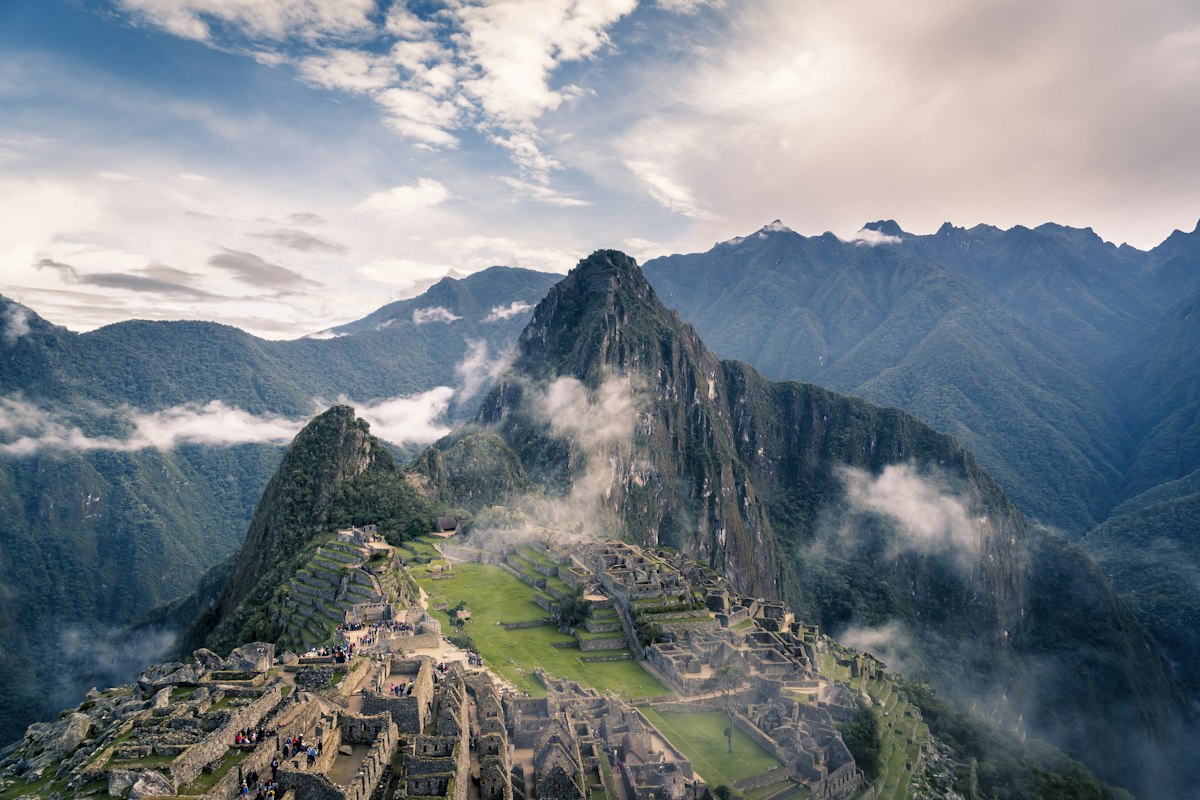
Weather plays a role too. The dry season brings warm, clear days and cold nights, so pack layers for everyone. Keeping the schedule flexible lets you follow the sun and your children's energy rather than a rigid itinerary.
Which Ruins, Farms, and Interactive Experiences Suit Kids?
The most kid-friendly sites trade long climbs for open space and visible, hands-on detail. Moray, with its vast circular agricultural terraces, feels like a giant amphitheater and lets children see how the Inca experimented with growing crops at different levels. The scale alone sparks questions, and the walking is gentle compared with steeper fortress sites.
Interactive farms and animal encounters round out the day. Many valley communities welcome families to see guinea pigs, which are raised locally, and to meet alpacas and llamas up close. Small working farms often let children try simple tasks, grinding corn, planting, or feeding animals, which turns sightseeing into participation. These stops are short, grounded, and easy to pair with a picnic.
When you do visit a classic ruin, pick one and give it time rather than rushing three in a day. Let kids scramble on the lower terraces, spot water channels, and ask why the stones fit so tightly. One site explored well beats a blur of them.
Are Alpaca Hikes Suitable for Younger Travelers?
Guided alpaca hikes near Chinchero are well suited to children because they are short, mostly flat, and move at a calm animal pace. Rather than a hard climb, these walks follow gentle trails where families lead or walk alongside alpacas, stopping often to rest and take photos. The animals set an unhurried tempo that naturally matches how young children like to explore.
The appeal for kids is simple: they get to be near the animals, help guide them, and learn how alpaca fiber becomes the textiles sold in local markets. Guides usually explain how the herds are cared for and how the wool is sheared, spun, and dyed, which connects the hike to the weaving workshops nearby. For practical details on routes, timing, and what to expect, see our guide to how to experience an alpaca hike near Chinchero.
Keep expectations modest. Younger children may want a shorter loop, so ask your guide for the gentlest option and build in snack breaks. The goal is contact with the animals and the landscape, not distance covered.
What Can Families Do in Chinchero's Weaving Workshops?
Chinchero's weaving workshops are among the most engaging hands-on activities for families in the valley. Children can watch wool being washed with a natural root soap, dyed with plants and minerals, and spun into thread before being woven on backstrap looms. The color changes are dramatic enough to hold a child's attention, and most cooperatives invite kids to try a simple step themselves.
Andean textile traditions carry deep cultural meaning across the region. Peru's textile heritage is internationally recognized: the textile art of Taquile Island on Lake Titicaca is inscribed on UNESCO's Representative List of the Intangible Cultural Heritage of Humanity (UNESCO). Chinchero sits within that same living tradition, where patterns and techniques pass from one generation to the next.
For families, the workshops work because they are interactive and short, with a clear beginning, middle, and finished object to admire. A small woven band or bracelet becomes a souvenir the child helped make. To understand why this town matters so much to Andean weaving, read our deeper look at Chinchero, living capital of Andean weaving.
These sessions also pair naturally with an alpaca hike, since children see the full story: the animal, the fiber, and the finished cloth. That connection makes the craft stick.
Why Is Stargazing a Memorable Family Activity Here?
Stargazing stands out in the Sacred Valley because clear, dark Andean nights reveal far more of the sky than most families see at home. Away from city light, the Milky Way often appears as a bright band overhead, and the thin high-altitude air makes stars look sharp. For children used to light-polluted skies, the first clear night can be genuinely startling.
The southern sky shows constellations many northern visitors have never seen, which gives parents and kids something to discover together. A simple star app, a red flashlight to protect night vision, and a warm blanket are often all you need. Keeping the session short and cozy matters with young children, who tire quickly in the cold mountain evenings.
Because nights turn cold fast, plan stargazing as an after-dinner treat close to your accommodation rather than a long outing. That way kids can head straight to bed once they have had their fill of the sky.
How Do Glamping Domes Work for Families?
Glamping domes suit families because they combine comfort with a direct view of that remarkable night sky, often from inside a warm bed. Transparent dome suites let children watch stars without stepping into the cold, which turns stargazing into something they can do while getting sleepy. Keeping everyone in one heated, comfortable space also makes bedtime routines far easier at altitude.
At Sky Dome Peru, the glass domes near Chinchero are designed around that experience, pairing the Andean landscape by day with the stars at night. For families, the practical wins are real: a settled base, a memorable room, and short distances to alpaca hikes, weaving workshops, and the valley's gentler ruins. Children get the novelty of sleeping under the sky, and parents get a quiet, contained place to recover between outings.
A dome base also encourages the slower pace that family travel in Cusco needs. Rather than long transfers each evening, you return to the same comfortable spot, rest, and let the valley's quiet do its work.
Plan Your Family Activities in the Sacred Valley
Start by sketching three or four light days rather than one packed itinerary: a gentle alpaca hike and weaving workshop near Chinchero, a relaxed visit to Moray or a farm, and at least one clear evening set aside for stargazing. Book the alpaca hike and weaving session in advance so a guide can tailor the pace to your youngest traveler, and keep afternoons open for rest. Build the trip around short days and early nights, and the Sacred Valley will give your family the kind of unhurried, hands-on memories that last long after the flight home.
Frequently asked questions
What are the best family activities in the Sacred Valley?
Gentle alpaca hikes, weaving and craft workshops in Chinchero, visits to kid-friendly ruins like Moray, hands-on farm and guinea pig experiences, and stargazing all suit families with children.
Is the Sacred Valley good for family travel in Cusco?
Yes. The valley floor sits lower than Cusco, which makes acclimatizing gentler for kids, and many sites involve short walks rather than long, demanding treks.
How do I help children adjust to the altitude?
Arrive slowly, spend your first days in the lower Sacred Valley rather than Cusco city, keep activities light at first, hydrate often, and build in plenty of rest.
Are alpaca hikes safe for young kids?
Guided alpaca hikes near Chinchero are usually short and flat, walking at an animal's pace, so they work well for children who can manage a gentle stroll.
Why choose a glamping dome with children?
Transparent domes let families watch the night sky from a warm bed, give kids space to settle, and keep everyone together in one comfortable room.