
Key takeaways
- Staying in the Sacred Valley puts you closer to the Ollantaytambo train than Cusco does, cutting your morning commute to Machu Picchu.
- The citadel sits at 2,430 meters, lower than both Cusco and Ollantaytambo, so a day trip from the valley means descending in altitude rather than climbing.
- Entry tickets are capped and sell out in peak months, so buy your Machu Picchu entry and train seats weeks ahead through the official channels.
- The fastest day plan is an early train from Ollantaytambo, a morning entry slot, and an afternoon return to a quiet base in the valley.
A Machu Picchu day trip from the Sacred Valley is one of the most comfortable ways to see the citadel: you board an early train at Ollantaytambo, reach the ruins before the midday crowds, and return the same afternoon. Because the valley sits closer to the train line than Cusco does, your travel day is shorter, calmer, and easier on your body.
This guide walks through why the valley is the smart base, how the trains work, how to time the day, what to secure in advance, and how to end the trip well.
Why Staying in the Valley Shortens the Trip to Machu Picchu
The Sacred Valley is both closer to the departure point and lower in altitude than Cusco, which makes the whole day lighter. Trains to Machu Picchu run from Ollantaytambo, a valley town, so basing yourself nearby removes the long early morning transfer that Cusco-based travelers face.
Altitude is the second advantage. Machu Picchu sits at 2,430 meters, while Cusco stands at 3,400 meters and Ollantaytambo at 2,792 meters, according to TreXperience Peru's altitude guide. Traveling from the valley to the citadel means descending, not climbing, so most visitors feel better at the ruins than they did on arrival in the region. If you are mapping out transfers, our guide on how to get from Cusco to the Sacred Valley covers the routes in detail.
Staying in the valley also keeps your acclimatization gentle. You sleep lower, breathe easier, and start the Machu Picchu day already rested rather than rushing out of a high mountain city before dawn.
Train Options from Ollantaytambo and Booking Tips
Ollantaytambo is the main launch point for Sacred Valley travelers, with frequent trains covering the route to Aguas Calientes in roughly one and a half to two hours depending on the service. The station is an easy transfer from most valley lodgings, and the ride itself follows the Urubamba River through steep green canyons that preview the landscape ahead.
Two operators run the line, offering tiers from standard seating to panoramic dome cars with wider windows. A few booking tips make the day smoother:
- Reserve seats as early as you can. Morning departures sell out first, especially in the dry season.
- Match your train time to your entry slot. Your return train should leave enough buffer after your Machu Picchu visit for the bus ride down from the citadel.
- Keep your passport handy. You need it to board and to enter the site.
- Travel light. Large luggage is not allowed on the trains or at the ruins, so bring only a small daypack.
Ollantaytambo itself is worth exploring before or after your Machu Picchu run, with its Inca fortress and terraced hillsides rising right above the station.
Suggested Timing for a Smooth One-Day Visit
The best day trip pairs an early train with a mid-morning or midday entry, which gives you time at the ruins without a frantic pace. A workable rhythm looks like this:
- Take an early morning train from Ollantaytambo so you reach Aguas Calientes with the day ahead of you.
- Catch the shuttle bus up to the citadel entrance. The winding ride takes a little under half an hour.
- Walk your chosen circuit at a steady pace. Visits follow a set one-way route, so plan your photo stops as you go rather than backtracking.
- Return to Aguas Calientes for a late lunch, then board an afternoon train back to the valley.
Machu Picchu is a large site with dozens of distinct viewpoints and structures across its terraces and urban core. You will not see all of it in one visit, so choose a circuit that matches your interests and energy, and resist the urge to cram in a mountain hike unless you have booked a longer slot.
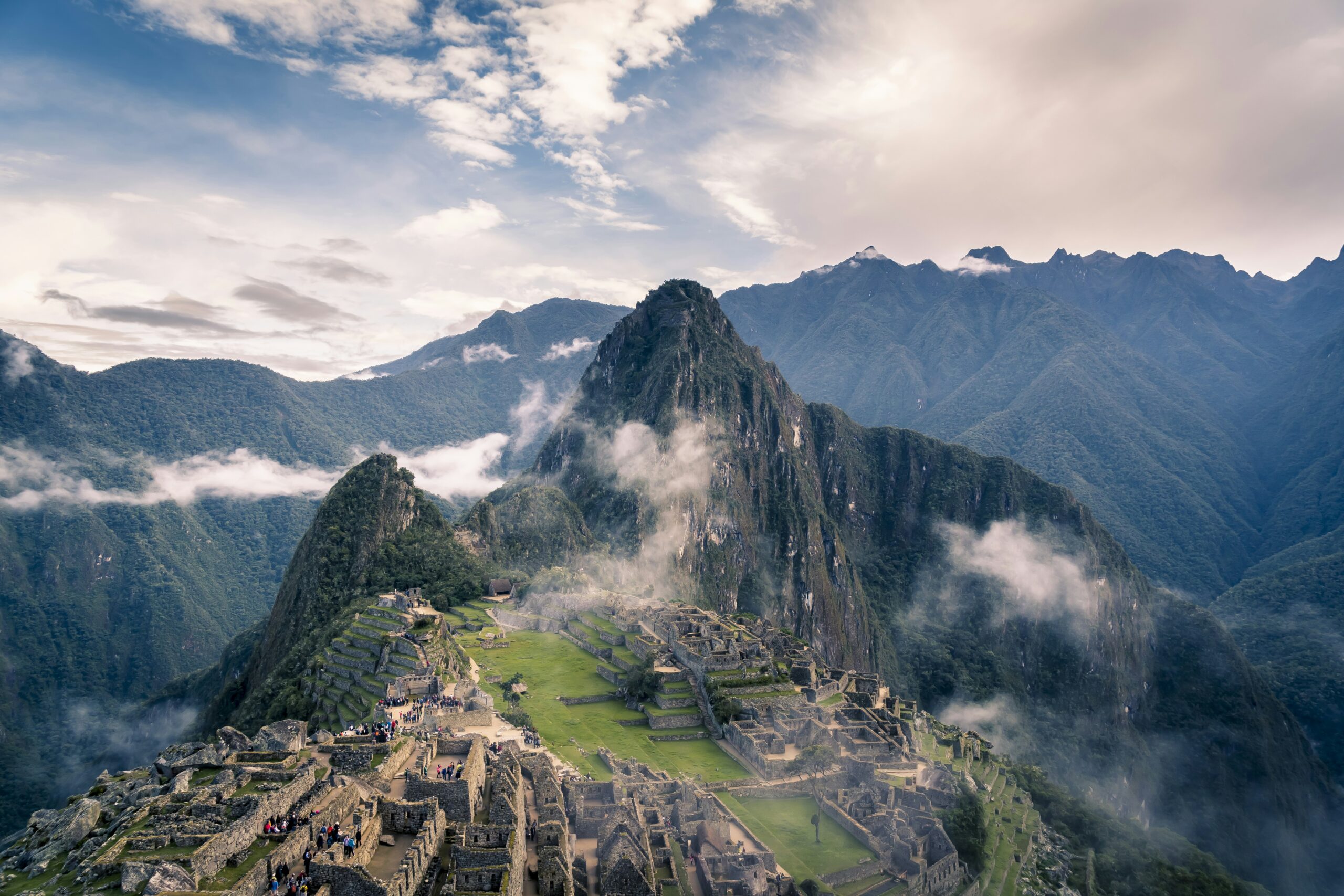
Think about light as well as logistics. Early slots often bring a layer of morning mist that lifts to reveal the citadel, a dramatic sight if you are patient. Later morning tends to be clearer and warmer but busier along the one-way paths. Neither is wrong, so pick the mood you want and book the matching entry time rather than leaving it to chance on the day.
Aim for a departure train that lands you back in the valley with daylight to spare. That way the return feels like the easy close to a full day rather than another rushed leg.
What to Pack and Permits You Need to Secure Early
Your entry ticket is the single most important item to arrange, because daily numbers are capped and popular dates fill well ahead. Tickets are sold through the official Ministry of Culture platform and are tied to a specific circuit and entry time, so you cannot simply buy one at the gate. In the busy dry season, reserve your entry several weeks in advance and book your train seats at the same time.
For a full day on your feet, pack with the weather and the rules in mind:
- Passport, printed and digital copies of your entry ticket, and your train tickets.
- Layers for cool mornings and warm midday sun, plus a light rain shell.
- Sun protection: hat, sunscreen, and sunglasses for the exposed terraces.
- A refillable water bottle and a few snacks for the train.
- Sturdy walking shoes with grip for the uneven Inca stonework.
- A small daypack only. Large bags, tripods, and drones are not permitted.
Building the Machu Picchu trip into a wider valley itinerary helps you pick the right dates. Weigh the seasons carefully, since weather and crowds shift through the year, and lock in your dates before you buy those non-refundable tickets.
Returning to a Glamping Dome After the Adventure
The quiet end to a Machu Picchu day is a short ride back to the valley rather than a long haul up to Cusco. After hours on your feet and a train both ways, arriving somewhere restful and close by changes how the evening feels. A glass dome suite at Sky Dome Peru near Chinchero puts you within the valley, at a gentler altitude, with open Andean views from your bed.
The glass domes are built for exactly this kind of night. Once the day cools and the sky darkens, the thin mountain air and low light pollution turn the valley into one of the clearest places in the region to watch the stars. If stargazing appeals, our complete guide to stargazing in the Sacred Valley explains what you can expect to see and when.
To turn this plan into a real trip, pick your Machu Picchu date first, then book your official entry ticket and an early Ollantaytambo train around it, and set your valley base nearby so the day starts short and ends calm.
Frequently asked questions
Can you visit Machu Picchu in one day from the Sacred Valley?
Yes. An early train from Ollantaytambo reaches Aguas Calientes in under two hours, leaving plenty of time for a morning or midday entry and an afternoon return to the valley.
How long is the train from Ollantaytambo to Machu Picchu?
The train from Ollantaytambo to Aguas Calientes takes roughly one and a half to two hours, depending on the service and departure time.
Do I need to book Machu Picchu tickets in advance?
Yes. Entry is capped daily and tickets are tied to a chosen circuit and time slot. Buy through the official Ministry of Culture platform, ideally several weeks ahead in peak season.
Is a day trip from the Sacred Valley easier than from Cusco?
For most travelers, yes. The valley sits lower than Cusco, which eases acclimatization, and it is physically closer to the Ollantaytambo departure point, so the day feels less rushed.