Key takeaways
- An alpaca hike near Chinchero is a gentle, herder-guided walk at high altitude, not a strenuous summit climb.
- Alpacas were domesticated in the Peruvian Andes around 6,000 years ago, and about 96 percent of the world population still lives in Peru and Bolivia (National Geographic).
- Chinchero sits on a high plateau above Cusco, so acclimatise for a day or two before you walk.
- Dress in layers, carry water and sun protection, and plan the walk for the clear morning hours.
- Pairing the hike with a Sacred Valley glamping stay lets you acclimatise slowly and add stargazing after dark.
The alpaca hike Chinchero is known for is a gentle, guided walk through Andean highlands where local herders lead you alongside their animals across pastures and ridgelines. You book through a community or lodge host, acclimatise to the altitude first, dress in layers, and set out in the morning to meet the herd and the people who raise it.
This guide covers what the walk involves, how to meet the herders and learn a little Quechua, what to pack, which routes and viewpoints reward you most, and how to fold the hike into a Sacred Valley glamping stay. The focus is practical. By the end you will know how to plan the day and what to expect on the trail.
What Does an Alpaca Hike Chinchero Hosts Actually Involve?
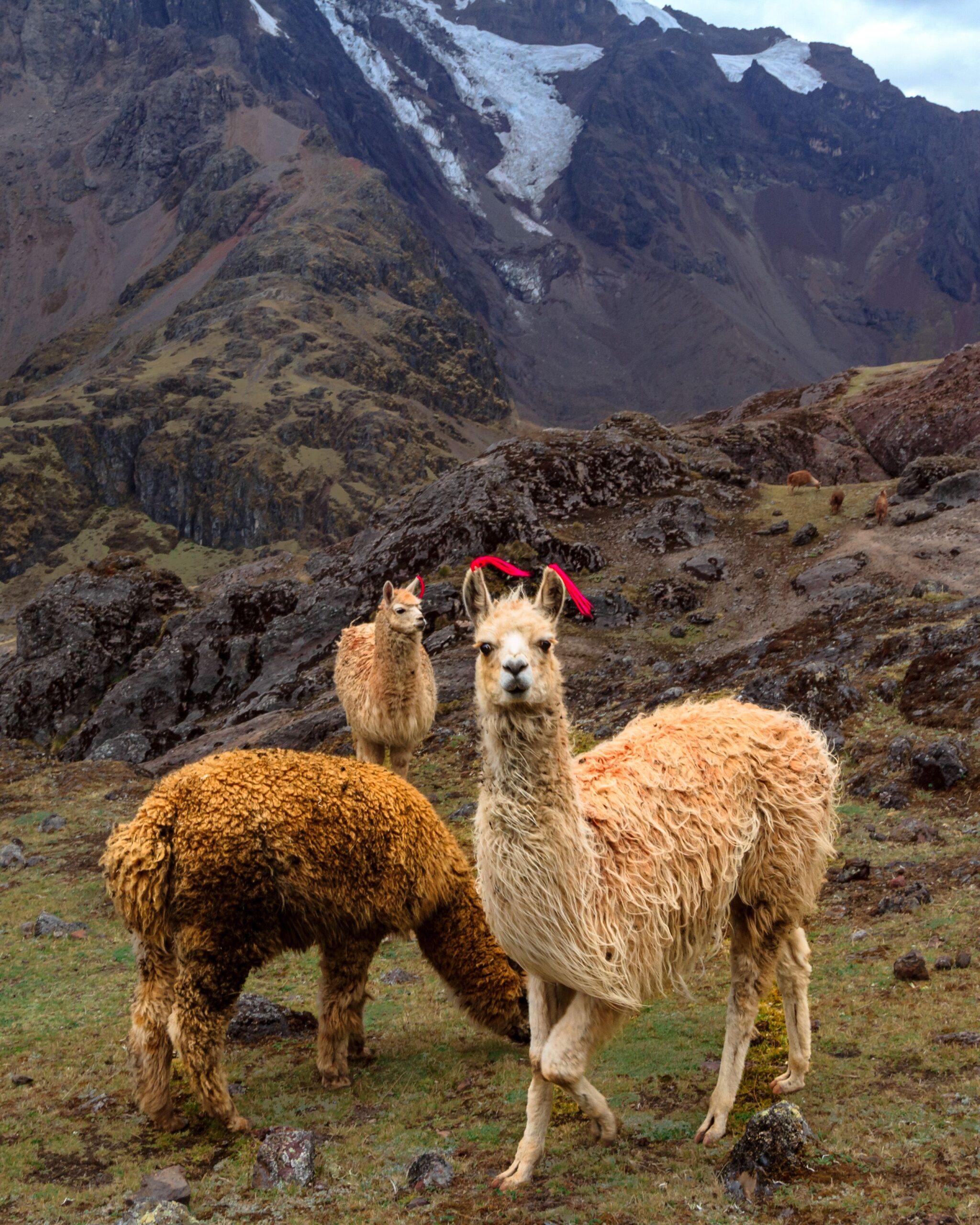
An alpaca hike chinchero visitors take is a slow, scenic walk at high elevation, usually one to three hours, led by a herder who sets the pace for both people and animals. Alpacas were domesticated in the Peruvian Andes roughly 6,000 years ago, and about 96 percent of the world's nearly four million alpacas still live in Peru and Bolivia (National Geographic). You walk among a living working tradition that herders still practise every day.
Expect uneven ground, grassy pasture, and a few gradual climbs rather than a steep summit push. The animals graze as they go, so the rhythm is unhurried. That suits the thin mountain air.
The appeal is the setting as much as the animals. You cross open puna grassland with terraced hillsides below and snow-dusted peaks on the horizon. Herders often bring a few animals on a lead so you can walk beside them, feed them, and photograph them against the valley.
Most hikes stay close to Chinchero's farming communities, so the terrain is familiar to your guide. This is andean trekking cusco travelers can manage without technical skills, provided they respect the altitude and keep the pace honest.
Who Are the Herders and What Can You Learn From Them?
The herders are Quechua families whose knowledge of alpacas reaches back thousands of years, long before the Inca. Because alpacas were first domesticated in these highlands thousands of years ago, the skills you see on the trail represent one of the oldest continuous relationships between people and a herd animal anywhere on earth.
On the walk your guide will often explain how a herd is managed through the seasons: where the animals graze, how the young are protected, and how fibre is sheared and sorted by colour. Chinchero is renowned for its living weaving traditions, so many hikes end at a home or workshop where you see raw fleece turned into yarn and cloth.
You can pick up a few words of Quechua as you go. A warm "Allillanchu" works as a greeting, and herders appreciate the effort. Ask before photographing people, offer to help carry something, and buy a woven piece directly if one is offered.
Our observation: Guests who learn even a handful of Quechua greetings before the walk consistently report warmer, longer conversations with herders than those who rely on gestures alone.
These moments are the heart of the day. The alpacas draw you up the hill, but the people and their craft are what you remember.
What Should You Wear and Bring for High Altitude?
Dress in removable layers and plan around the altitude, because Chinchero sits on a high plateau above Cusco, itself one of the highest cities many travelers will ever visit. Mornings start cold, the midday sun is intense, and conditions can swing within an hour, so flexible clothing matters more than any single warm jacket.
Build your kit from the skin out:
- Base layer: a breathable long-sleeve top to manage sweat.
- Mid-layer: a fleece or light down for the cold start.
- Shell: a windproof, water-resistant jacket for sudden gusts or showers.
- Sun protection: a wide-brim hat, strong sunscreen, and sunglasses. UV is fierce at this elevation.
- Footwear: broken-in trail shoes or light boots with grip.
- Water and snacks: carry more water than you think you need.
Pack coca tea or sweets if your host offers them, a common local aid for altitude. Walk slowly on your first day and give your body a day or two to adjust before any longer outing. If you feel a persistent headache, nausea, or breathlessness at rest, stop climbing and descend.
Keep your daypack light. At altitude every extra kilo counts, and the herders set a pace that rewards travelers who move steadily rather than fast.
Where Are the Best Routes and Viewpoints Around Chinchero?
The best routes blend open pasture with a high viewpoint over the Sacred Valley, and the single most famous is the downhill trail from Chinchero toward the Urquillos valley. Chinchero's position on the plateau above the valley gives you long sightlines across terraces, lakes, and distant peaks, which is why it is prized for both hiking and stargazing after dark.
A few reliable options:
- Chinchero to Urquillos: a classic descent through old Inca terracing and farmland, ending in a greener valley. Good for a half day.
- Ridge walks above the village: shorter loops that reward you with wide views of Laguna Piuray and the snow line.
- Community pasture circuits: gentle out-and-back routes on herding land, ideal when you want alpaca time over distance.
Timing shapes the experience. Go in the morning for the clearest air and softest light, and keep an eye on afternoon clouds that roll in during the wetter months. The high plateau that makes these routes so open by day also makes the nights exceptionally dark. For planning the after-hours half of your trip, our complete guide to stargazing in the Sacred Valley covers when and where the sky is clearest.
Carry layers even on a short loop. Weather on the plateau turns quickly, and a clear ridge can cloud over before you finish the descent.
How Do You Combine an Alpaca Hike With a Glamping Stay?
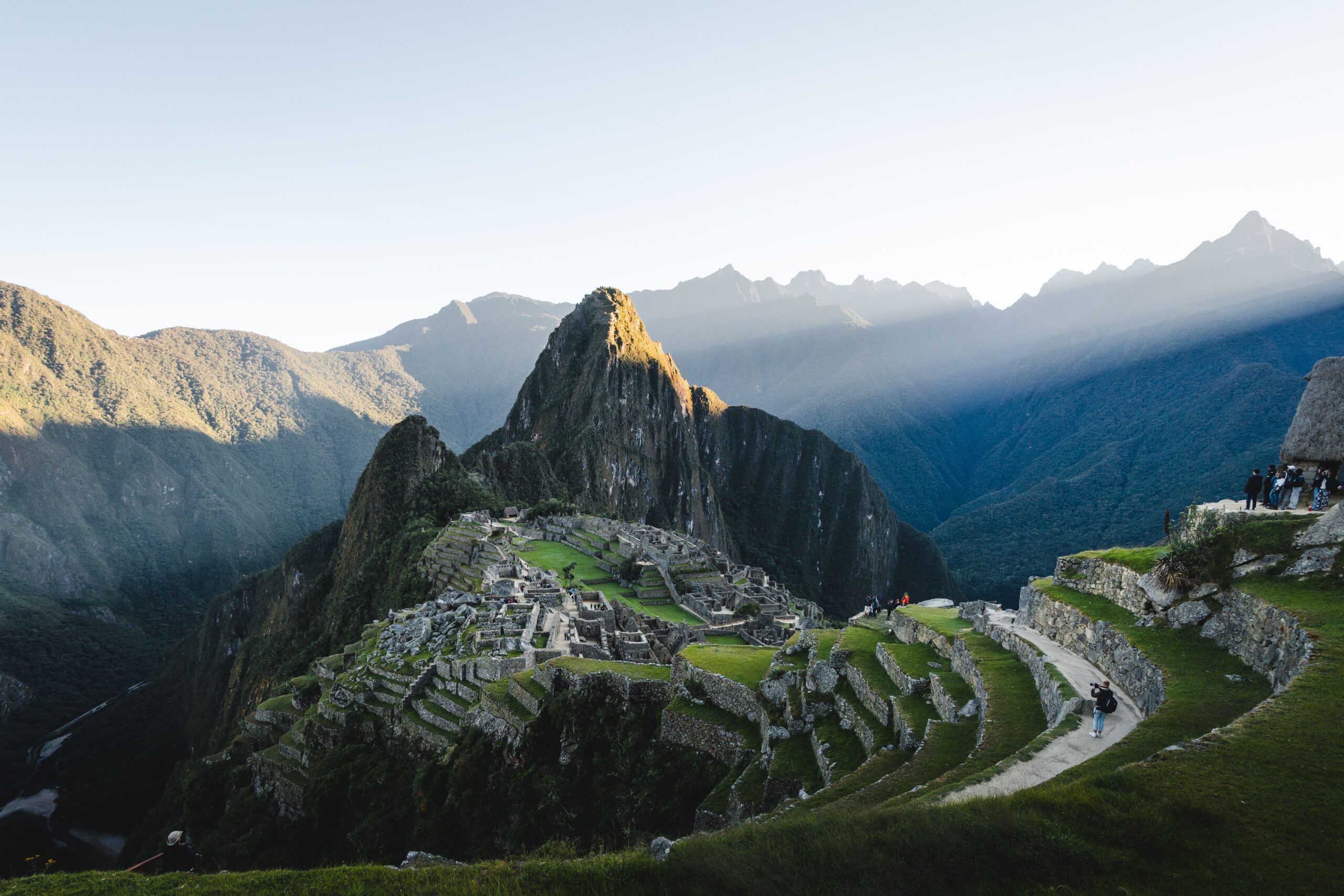
The simplest way to do the hike well is to base yourself near Chinchero and spread the day across a morning walk, an afternoon rest, and a clear night under the stars. Staying close means you acclimatise gradually instead of commuting from Cusco each morning, and the altitude is easier to manage when you sleep, eat, and walk in the same highland setting.
A glamping stay fits this rhythm naturally. You walk with the herders while the light is good, return to rest during the intense midday sun, and then enjoy the dark Sacred Valley sky after dinner. Sky Dome Peru's glass dome suites near Chinchero are built for exactly this pairing: a comfortable high-altitude base with open views of the surrounding peaks and night sky.
Plan it as a two- or three-night trip. Arrive, take your first day gently to adjust, hike on the second morning, and keep the afternoons flexible for weaving visits or a short ridge walk. To see how the stay itself works, read about the Sacred Valley luxury glamping suite and how it anchors an Andean trip.
Booking the hike through your lodge host also keeps your money with the community that raises the animals. That is the version of the trip most travelers find worth doing.
The next step is practical: block two or three nights near Chinchero, give your first day to acclimatising, and arrange a herder-led morning walk through your lodge. Do that, and the alpacas, the views, and the people fall into place around a single easy base.
Frequently asked questions
Is an alpaca hike near Chinchero suitable for beginners?
Yes. Most routes are gentle valley and ridge walks on gradual terrain, led by local herders. The main challenge is altitude, not distance, so a slow pace and a day of acclimatisation make it accessible to most fit travelers.
How high is Chinchero and will I get altitude sickness?
Chinchero sits on a high Andean plateau above Cusco, itself one of the highest cities most travelers visit. Altitude illness is a real risk at this elevation, so acclimatise for a day or two, hydrate, and walk slowly on your first outings.
What should I wear for a high-altitude alpaca hike?
Wear layers you can add or remove: a base layer, a warm mid-layer, and a windproof shell. Add a sun hat, strong sunscreen, sturdy shoes, and gloves for cool mornings. Weather in the highlands shifts quickly.
Can I combine an alpaca hike with a glamping stay in the Sacred Valley?
Yes, and it is a smart way to acclimatise. Staying near Chinchero lets you walk in the clear morning, rest in the afternoon, and watch the night sky after dark, all without a long daily commute from Cusco.