Southern Hemisphere Constellations You Can See in Cusco

Key takeaways

  • From Cusco at roughly 13.5 degrees south latitude, the Southern Cross (Crux) and its pointer stars are visible most of the year and point you toward true south.
  • The Milky Way's bright galactic core rises highest in the Cusco night sky from April through September, the austral autumn and winter.
  • Andean astronomy reads the dark lanes of the Milky Way as animal figures, including the Llama (Yacana) and the Fox (Atoq).
  • Cusco sits at 3,399 meters elevation, thin dry air that gives the Sacred Valley an edge for clear, steady star viewing.
  • A glass glamping dome lets you watch the whole sky from a warm bed, the practical answer to cold high-altitude nights.

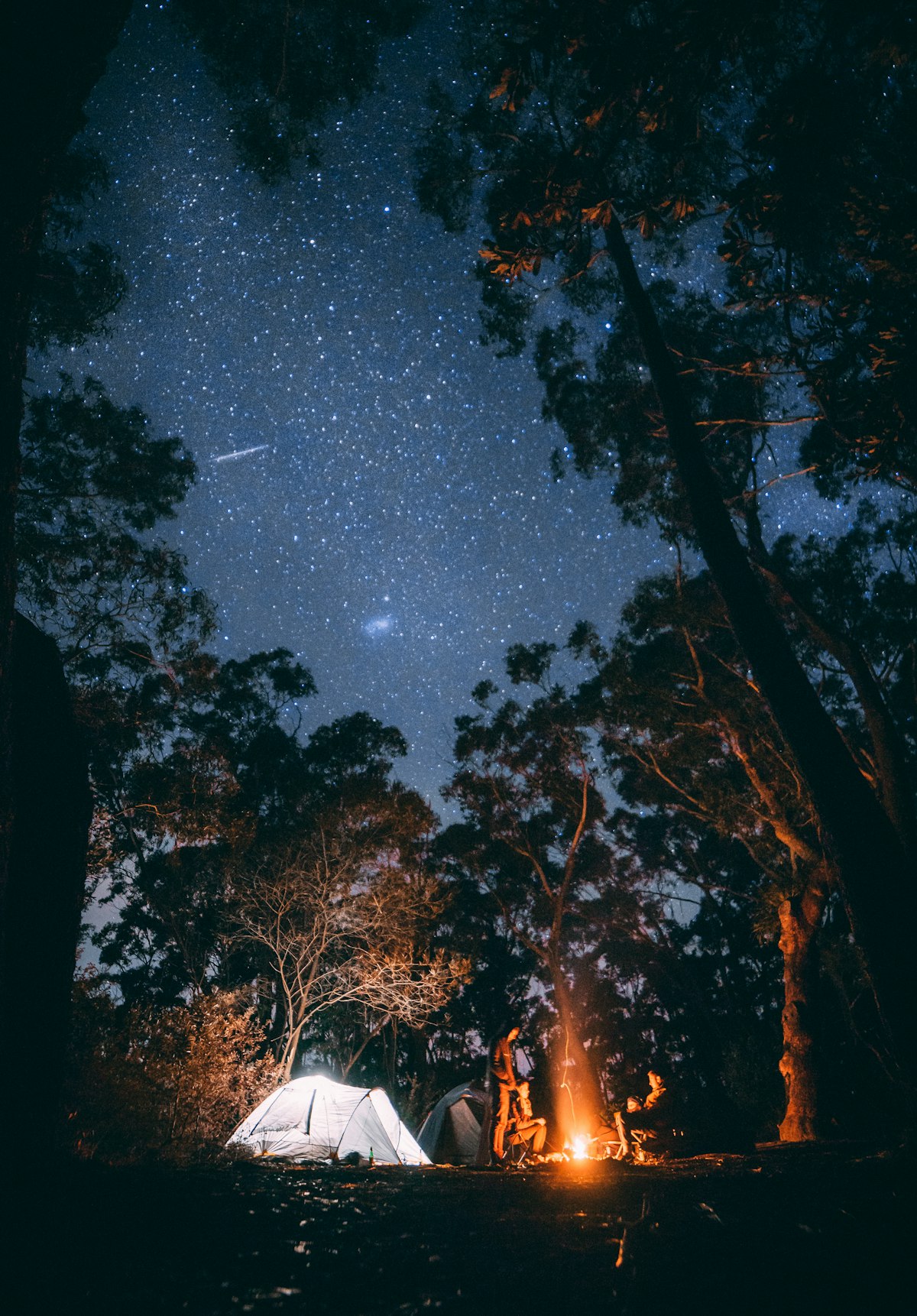
Stand outside on a clear Sacred Valley night and the southern hemisphere constellations put on a show the northern world never sees: the Southern Cross hangs above the mountains, the Milky Way splits the sky, and dark shapes the Inca named appear in the dust between the stars. Cusco sits at roughly 13.5 degrees south latitude and 3,399 meters of elevation, a high, dry perch that makes the Cusco night sky one of the easiest places to learn the southern stars.

This guide walks through what to look for, when to look, and how the Andes read the sky differently from any star chart you grew up with.

Which Southern Hemisphere Constellations Mark True South?

The Southern Cross, formally Crux, is the smallest of the 88 constellations recognized by the International Astronomical Union, covering just 68 square degrees of sky. From Cusco's latitude it stays visible for most of the year and works as a natural compass. There is no bright pole star in the south, so the Cross does the pointing instead.

Find the long axis of the Cross, the line running from the top star to the bright star at its foot. Extend that line about four and a half times its own length down toward the horizon. The empty spot you reach marks the south celestial pole, and dropping straight down from there gives you true south. Travelers used this trick for centuries before compasses reached the Andes.

Two bright stars sit beside the Cross and help you confirm it: the pointer stars Alpha and Beta Centauri. Alpha Centauri is also our nearest stellar neighbor, a triple star system about 4.2 light years from Earth, roughly 25 trillion miles (NASA, Alpha Centauri: A Triple Star System about 4 Light Years from Earth, retrieved 2026-11-03). Once you can spot the Cross and its two pointers, the rest of the southern sky falls into place.

Why Does the Milky Way Look So Bright Over the Andes?

The Milky Way's galactic core, the dense, glowing heart of our galaxy, climbs highest in southern skies from April through September, the austral autumn and winter. Those months are also Cusco's dry season, so the two best things for stargazing line up: a high core and clear air. The result is a band of light bright enough to cast a faint shadow on a moonless night.

Altitude does the heavy lifting. At 3,399 meters you sit above a large share of the atmosphere's moisture and dust, so less haze dims the view. The Sacred Valley floor near Chinchero adds dark horizons far from Cusco's city glow. If you want to photograph that core, our guide to night sky photography tips in the Andes covers settings and framing for the thin high-altitude air.

The core sits in the direction of the constellation Sagittarius, low in the north for northern observers but high overhead here. That high angle is why the band looks three-dimensional from the valley, a river of light rather than a faint smudge.

What Are the Incan Dark-Cloud Constellations?

Andean astronomy did something no other major tradition did at this scale: it named constellations in the dark, not the light. Where most cultures connect bright stars into figures, the Inca read the black dust lanes that cut through the Milky Way as a menagerie of animals. These are the yana phuyu, the dark clouds.

The largest is the Llama, or Yacana, a great dark shape whose two bright "eyes" are the stars Alpha and Beta Centauri, the same pointers that flank the Southern Cross. Below and around it the Inca placed the Baby Llama, the Fox (Atoq) nipping at the llama's heel, the Toad (Hanp'atu), the Serpent (Mach'acuay), and a Partridge. The figures tracked the agricultural year and the rains.

Seeing them takes a genuinely dark sky, which the Sacred Valley delivers. Let your eyes adjust for twenty minutes, then look for the shape rather than the stars. The Llama is easiest to pick out when the Milky Way is high, from autumn into winter. Spotting it is a reminder of how deeply the sky shaped the Inca calendar, farming, and myth.

What Can You See Across the Seasons in the Sacred Valley?

The Cusco night sky changes with the austral calendar, so timing your trip shapes what you see. The dry months, roughly May through September, give the steadiest and clearest skies, and they also carry the Milky Way core high overhead. The wet season, December through March, brings cloud and rain that often close the sky entirely.

Here is a rough seasonal map for naked-eye viewing from the valley:

  • April to June: The Southern Cross rides high in the evening, the Milky Way core returns, and the Llama dark-cloud figure stands upright. Prime time.
  • July to September: Cold, dry, and crisp. The core sits overhead at nightfall early in this window, with excellent transparency.
  • October to November: Shoulder season. The Cross drops lower, clouds build, but early-evening views can still reward patience.
  • December to March: Rainy season. Expect frequent cloud, though breaks after storms can be strikingly clear.

For help lining up your visit with the best weather, see our guide to the best time to visit the Sacred Valley. Pack warm layers whatever the month; valley nights turn cold fast once the sun drops behind the ridges.

How Do You Get the Best View From a Glamping Dome?

A glass glamping dome answers the single hardest part of high-altitude stargazing: the cold. Sacred Valley nights fall sharply after dark, and the usual trade is comfort for sky. A transparent dome removes that trade, letting you watch the Southern Cross and the Milky Way from a warm bed through a clear roof.

At Sky Dome Peru near Chinchero, the suites face open valley horizons away from city light, which matters for catching the faint dark-cloud figures. A few practical habits sharpen any dome night. Kill every indoor light and give your eyes a full twenty minutes to adapt. Avoid phone screens, or switch them to a dim red setting. Check the moon phase before you book, because a bright moon washes out the Milky Way as surely as any cloud.

If you plan to stay up late in the thin air, hydrate well and take your first day slow; both make a real difference to how you feel under the stars at altitude.

Point your trip at a new-moon week in the dry season, book a dome with a clear southern horizon, and you will see the Southern Cross, the glowing galactic core, and the Llama in the dark all in a single night from your pillow.

Frequently asked questions

Can you see the Southern Cross from Cusco?

Yes. Crux is visible from latitudes between about plus 20 and minus 90 degrees, and Cusco sits near 13.5 degrees south, well inside that band. It is highest in the sky from autumn through winter evenings.

When is the Milky Way core visible over Cusco?

The bright galactic core climbs highest from April through September, the austral autumn and winter. These months also fall in Cusco's dry season, so clear skies are common.

What are Incan dark-cloud constellations?

They are shapes the Inca saw in the dark dust lanes of the Milky Way rather than in the stars. Figures include the Llama (Yacana), the Fox (Atoq), the Toad, and the Serpent.

Do I need a telescope to stargaze in the Sacred Valley?

No. The Southern Cross, the Milky Way band, and the dark-cloud figures are all naked-eye targets. Binoculars help with star clusters, but the headline sights need only your eyes and a dark site.

Why is Cusco good for stargazing?

High elevation near 3,399 meters, dry winter air, and distance from large cities combine to give steady, transparent skies. The Sacred Valley floor offers dark horizons away from Cusco's own glow.
Incan Heritage Tours in the Sacred Valley: What to See

Key takeaways

  • Incan heritage tours in the Sacred Valley center on five sites: Chinchero, Moray, Maras, Ollantaytambo, and Pisac.
  • The Boleto Turistico bundles most Sacred Valley ruins into one multi-day ticket, but Maras salt mines and Machu Picchu need separate entry.
  • Moray's deepest terraced bowl drops roughly 30 meters and creates a temperature gap used as an Inca farming laboratory.
  • A guide adds context at living sites; self-led visits give you flexibility if you already know the history.
  • Base yourself near Chinchero to reach Moray, Maras, and Ollantaytambo without long daily drives.

Incan heritage tours in the Sacred Valley revolve around five sites that each tell a distinct part of the Inca story: Chinchero, Moray, the Maras salt pans, Ollantaytambo, and Pisac. See them together and you get farming science, royal estates, a working salt industry, and a fortress town, all within an hour of each other near Cusco.

This guide walks through what each site offers, how the main ruins connect historically, when a guide earns its cost, and how to build a route that respects the communities still living among these stones.

The Sacred Valley Ruins Incan Heritage Tours Cover

The best Incan heritage tours are built around sites that show different functions of the empire, not just more of the same stonework. Five stand out, and each answers a different question about how the Inca lived.

  • Chinchero sits on a high plateau and blends an Inca royal estate with a colonial church built directly on Inca foundations. It remains a working center of Andean weaving, so the heritage here is still very much alive.
  • Moray is a set of concentric circular terraces cut into natural bowls in the earth. The largest depression is approximately 30 m (98 ft) deep, and its orientation to sun and wind creates a temperature difference of as much as 15 °C (25 °F) between the top and bottom terraces, according to documentation of the site. Researchers read it as an agricultural laboratory for testing crops at different microclimates.
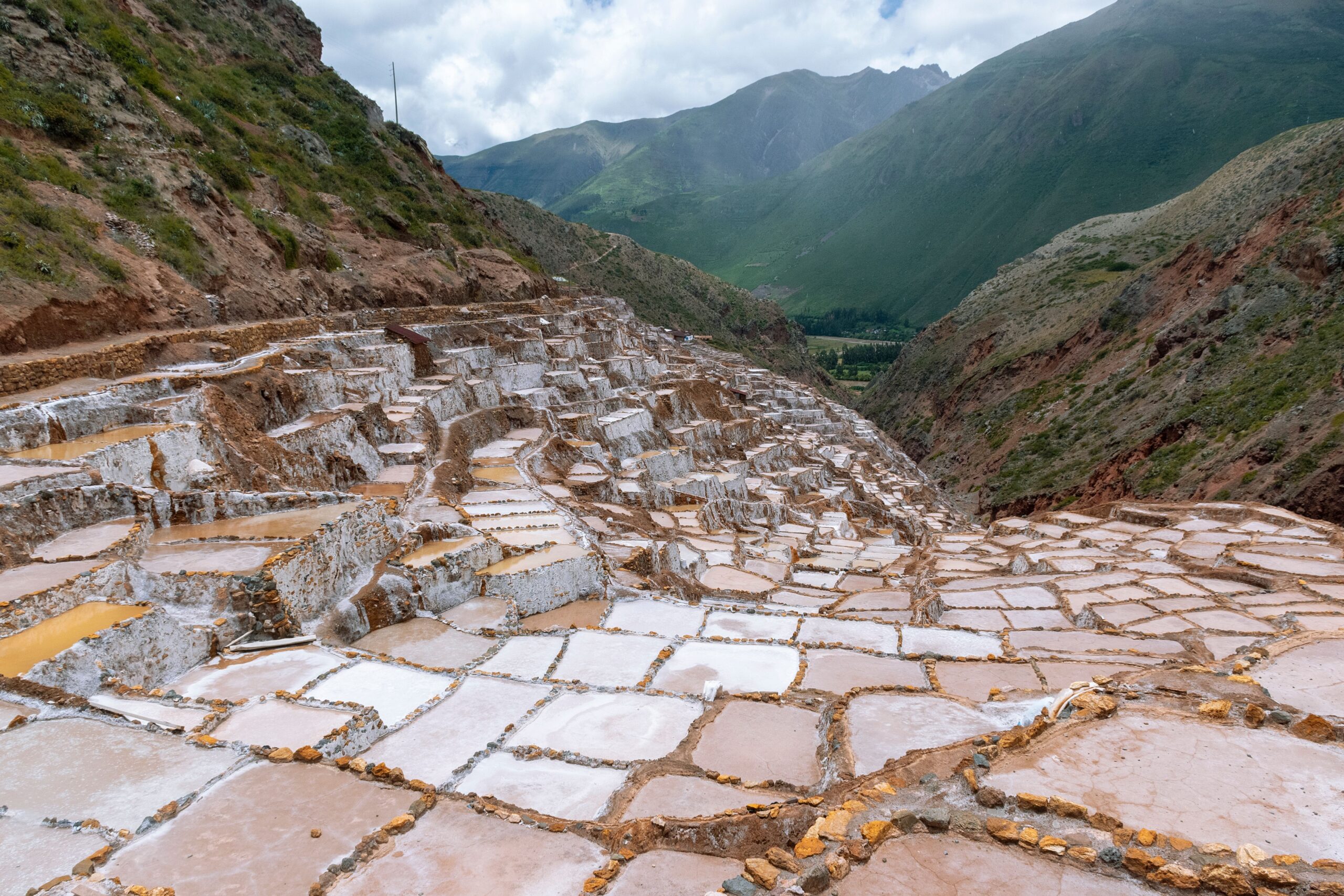
  • Maras is a cascade of thousands of salt pans fed by a natural spring, worked by local families since before the Inca and still harvested today.
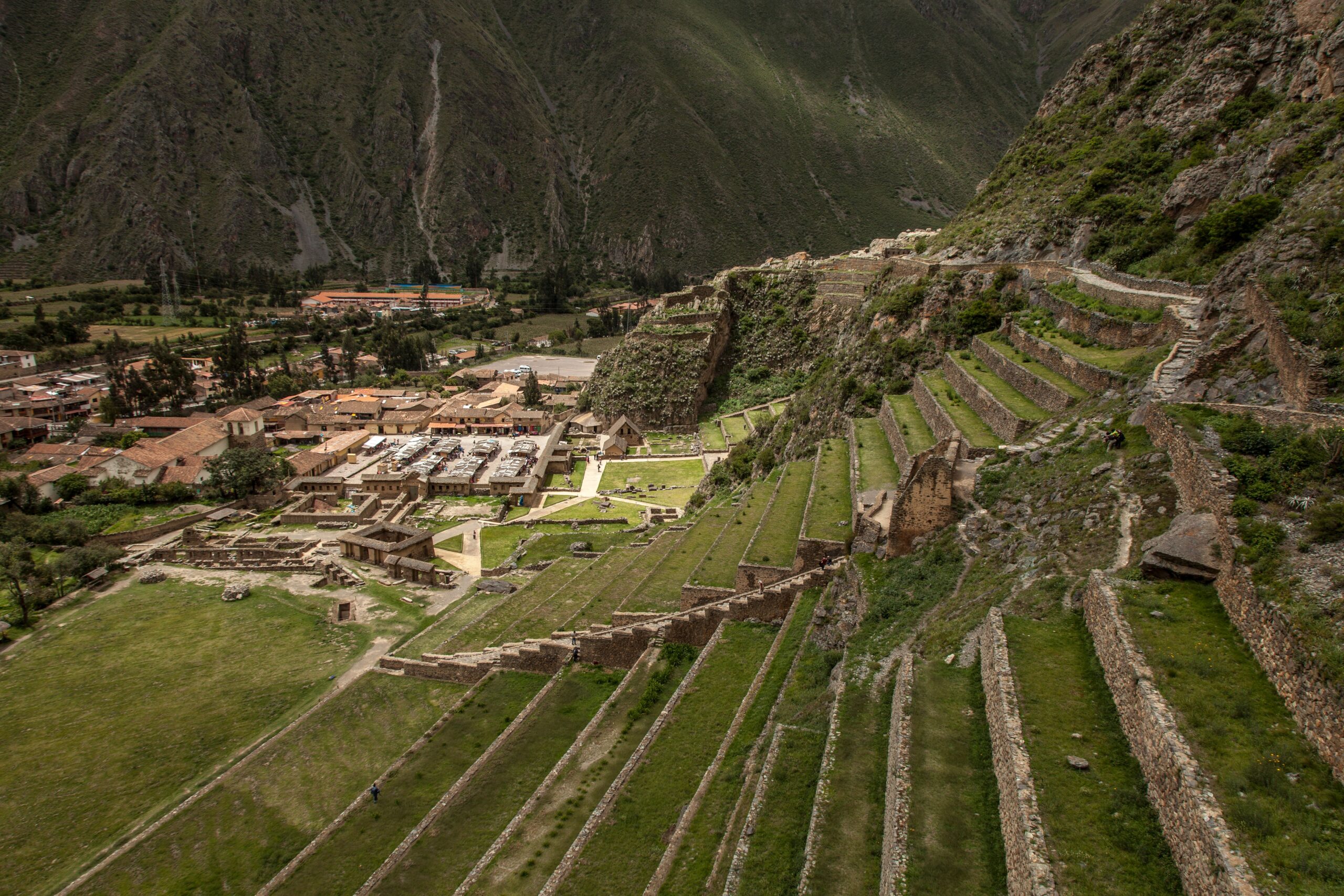
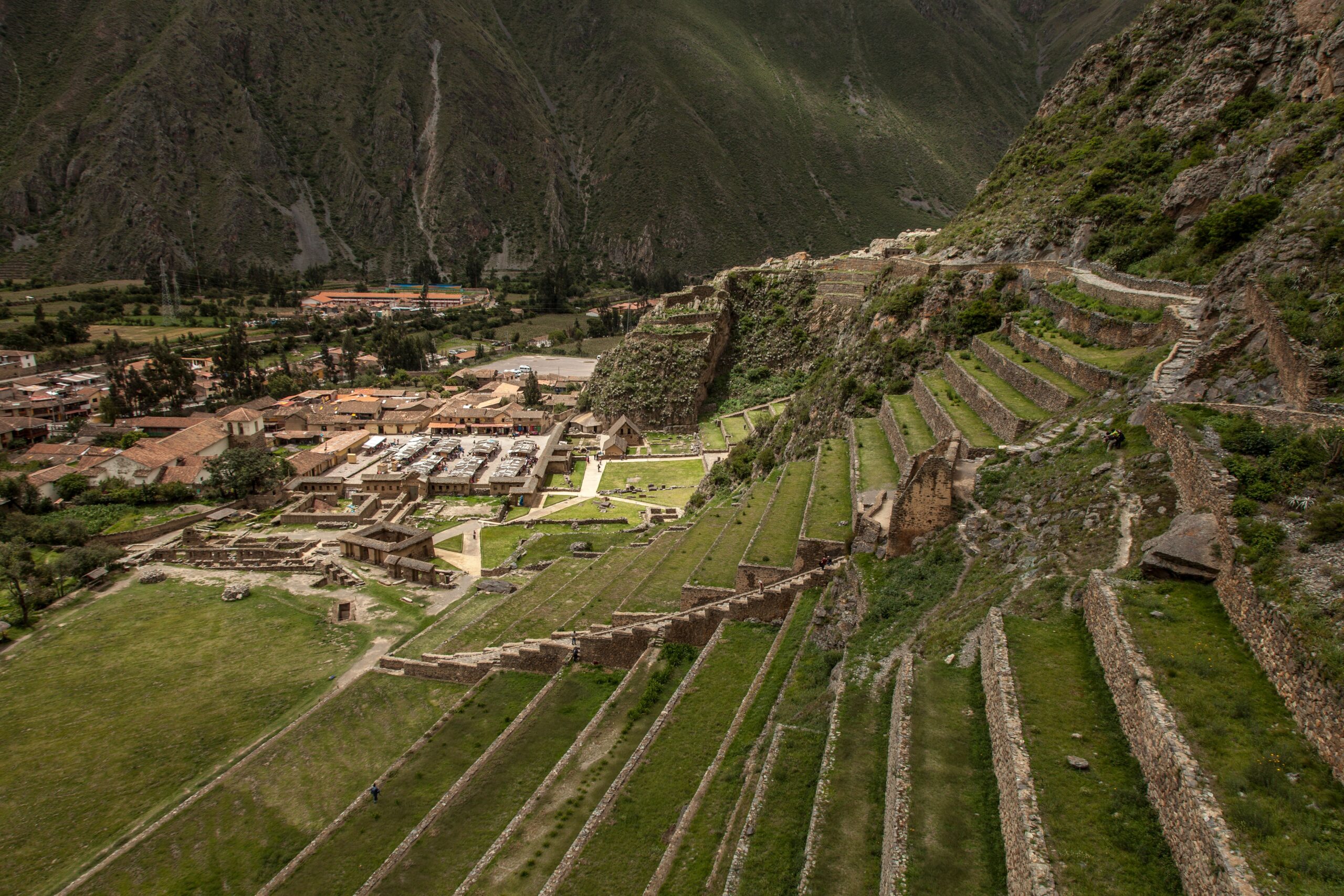
  • Ollantaytambo is a fortress and temple complex above a town whose street grid is still the original Inca plan. For a deeper look at the site and its living town, see our guide to Ollantaytambo, the fortress town of the Sacred Valley.
  • Pisac pairs steep agricultural terraces with a hilltop temple sector and one of the region's busiest craft markets in the town below.

Together these sites cover agriculture, religion, defense, administration, and daily work. That range is what separates a thoughtful heritage trip from a checklist of ruins.

How Chinchero, Moray and Ollantaytambo Connect Historically

These three sites sit within a short drive of one another, and they map neatly onto three roles the Inca state had to fill: feeding the empire, governing it, and defending it.

Chinchero was associated with the emperor Tupac Yupanqui and functioned partly as a royal estate, a productive holding that supplied the court. Moray, a short distance away on the same high ground, reads as the research arm of that food system, a place to work out which crops thrived at which altitude and temperature. Ollantaytambo then shows the military and ceremonial face of the state: massive terraces climbing to a sun temple, positioned to control the valley route toward the jungle.

Reading them as a connected system makes each visit richer. You move from where food was engineered, to where it was grown at scale, to where the valley was held. The Spanish arrival is written into the stones too, especially at Chinchero, where a colonial church sits squarely on Inca walls.

Choosing Guided vs Self-Led Heritage Visits

Both approaches work, and the right one depends on how much history you already carry with you. Signage at Sacred Valley sites is thin, so the context has to come from somewhere.

A guide makes the most sense at Moray and Ollantaytambo, where the engineering and ritual logic are easy to miss on your own. A good guide explains why the terraces curve the way they do, points out construction details, and answers the "how did they do this" questions that plaques never cover. Guides also smooth the logistics of moving between sites.

Self-led visits suit travelers who have done some reading and want to linger, photograph at their own pace, or sit quietly without a group timetable. If you go this route, study each site beforehand and download an offline map, since mobile signal is unreliable in the valley.

A practical middle path is to hire a guide for the two sites where interpretation matters most and explore the rest independently. Costs add up either way, so it helps to plan a rough budget before you arrive. Our Sacred Valley travel costs budget guide breaks down tickets, transport, and guide rates.

A note on tickets

Most Sacred Valley ruins, including Pisac, Ollantaytambo, and Chinchero, are bundled into the Cusco Boleto Turistico, a multi-day ticket you buy once and use across several sites. Two things commonly catch visitors out: Moray is on the ticket, but the Maras salt pans are not, and Machu Picchu is entirely separate. Bring cash in soles, since site booths rarely take cards.

Respectful Travel at Sacred and Living Sites

Many Sacred Valley sites are not museums. People still farm the terraces, worship in the churches, and weave in the villages, so the way you visit matters as much as what you see.

A few practices keep your visit respectful:

  • Ask before photographing people. Weavers in Chinchero and families working the Maras pans are at work, not on display. A short conversation, and often a small purchase, is the courteous way in.
  • Stay on marked paths. The terraces at Moray and Ollantaytambo are fragile and, in places, still cultivated or structurally sensitive.
  • Buy directly from makers. Chinchero is a center of natural-dye weaving, and buying from the women's cooperatives keeps the craft alive rather than funneling money to middlemen.
  • Treat ritual spaces as active. Temple sectors at Pisac and Ollantaytambo still hold meaning for Andean communities. Keep noise down and leave offerings undisturbed.

Cusco itself has carried this heritage for a long time. The city was inscribed on the UNESCO World Heritage List in 1983 for representing three thousand years of continuous Andean cultural development, and that continuity is exactly what you are stepping into when you visit the valley.

Building a Heritage-Focused Itinerary From Your Dome Base

The Sacred Valley rewards travelers who stay inside it rather than day-tripping from Cusco. A base near Chinchero puts Moray, Maras, and Ollantaytambo within easy reach and spares you the long climb back up to the city each evening.

A workable two-day plan from a valley base looks like this:

  1. Day one, the high plateau. Start at Chinchero for the estate and the weaving cooperatives, then continue to Moray and finish at the Maras salt pans in afternoon light.
  2. Day two, the valley floor. Drive down to Ollantaytambo early to climb the terraces before the crowds, then spend the afternoon at Pisac's ruins and market.

That pace leaves room for the altitude, which is worth respecting on arrival. If you are coming straight from sea level, take your first day slowly before attempting the steeper terrace climbs.

Staying at Sky Dome Peru near Chinchero puts you in the middle of this triangle of sites, with the added payoff that the valley's dark skies turn every clear night into an event once the day's touring is done. Book two full days for the ruins, keep your Boleto Turistico and a stack of soles handy, and let the geography do the work of connecting one chapter of the Inca story to the next.

Frequently asked questions

What are the main Sacred Valley ruins to visit?

The core sites are Chinchero, Moray, Maras salt pans, Ollantaytambo, and Pisac. Each shows a different side of Inca life, from farming terraces to fortress towns and temple complexes.

Do I need a guide for Incan heritage tours?

A guide is not required, but it adds historical and cultural context that signage rarely provides. Self-led visits work well if you have read about the sites beforehand.

Does one ticket cover all the Sacred Valley sites?

The Cusco Boleto Turistico covers most ruins, including Pisac, Ollantaytambo, and Chinchero. Maras salt mines and Machu Picchu charge separate entry fees.

How many days do I need for a Sacred Valley heritage trip?

Two to three days lets you see the main sites without rushing. One day covers highlights, but you will spend much of it driving between locations.

Sacred Valley Honeymoon: Romantic Ideas Near Chinchero

Key takeaways

  • A glass dome suite near Chinchero gives couples private stargazing and warm interiors at roughly 3,762 m elevation, without a tent's discomfort.
  • The global glamping market was valued at USD 2.6 billion in 2025 and is projected to reach USD 5.6 billion by 2035 (Global Market Insights).
  • Base yourself near Chinchero to reach Moray, Maras, and Ollantaytambo as easy romantic day trips, then return to a candlelit dinner under the Andes.
  • Give yourself one acclimatization day before active plans like an alpaca hike, since the valley sits high above sea level.

A Sacred Valley honeymoon gives you star-filled nights, private Andean landscapes, and some of the finest Incan sites in the world, all within a short drive of each other. Base yourselves in a glass dome suite near Chinchero and you can trade long transfers for slow mornings, candlelit dinners, and day trips that end back under the Milky Way. This guide covers where to stay, what to do, and how to plan a romantic glamping Peru trip that runs smoothly from arrival to departure.

The region rewards couples who want beauty without a rushed itinerary. You get heritage, nature, and quiet in equal measure, and you never have to choose only one.

Why Glass Dome Glamping Is Perfect for Couples

Glass dome glamping gives couples the intimacy of sleeping under the stars with the comfort of a proper suite. The global glamping market was valued at USD 2.6 billion in 2025 and is projected to reach USD 5.6 billion by 2035, growing at 8.3% a year (Global Market Insights, 2026). That growth reflects what honeymooners already know: nature stays feel special when they are also comfortable.

A transparent dome puts the Andean sky above your bed while a heated interior keeps the mountain chill outside. You wake to valley light instead of a hotel corridor. For couples weighing their options, the difference between a dome and a standard room comes down to privacy and connection to the landscape.

Sky Dome Peru builds its suites near Chinchero for exactly this reason. You get a private vantage over the Sacred Valley, a warm bed, and clear sightlines to the night sky. For couples weighing accommodation styles, a dome wins on privacy and on waking up inside the landscape rather than beside it.

Private Stargazing and Candlelit Dinners Under the Andes

The clearest nights in the valley come during the dry season, roughly May through September, when thin high-altitude air and low light pollution make the southern sky extraordinary. For honeymooners, this turns an ordinary evening into something you will talk about for years. A candlelit dinner followed by stargazing from your own dome needs no reservation and no crowd.

Chinchero sits at about 3,762 m (12,343 ft), higher than Cusco city and well above the valley floor. That elevation, paired with dry mountain air, is what makes the stars so sharp. You can spot the Southern Cross, dense bands of the Milky Way, and constellations the Incas themselves mapped.

Want to photograph it? Our night sky photography tips in the Andes cover the simple settings that turn a phone or camera into a keepsake machine. A slow dinner on the terrace, a bottle of something good, and a sky full of stars is the kind of honeymoon memory that does not depend on an itinerary.

Romantic Day Trips to Moray, Maras, and Ollantaytambo

The Sacred Valley packs three of Peru's most striking sites into a single loop you can do in a day. Moray's concentric agricultural terraces, the white salt pans of Maras, and the fortress town of Ollantaytambo each sit within easy reach of Chinchero. For couples, the short distances mean you can explore in the morning and still be back for sunset.

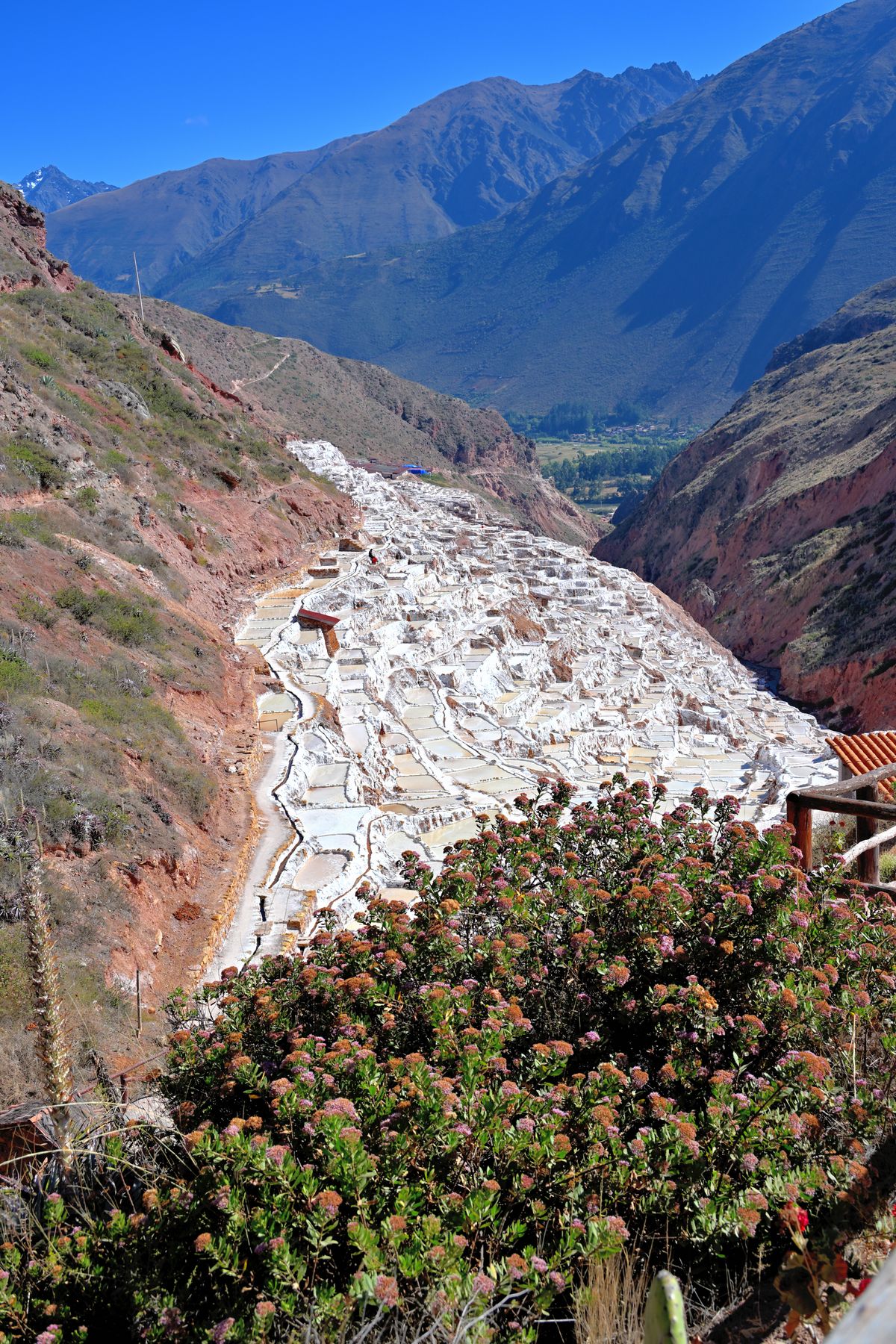
Aerial view of the white salt ponds at Maras in the Sacred Valley

Start at Moray, where the Incas built circular terraces that functioned as a kind of agricultural laboratory, then drive to the Maras salt mines, where thousands of shallow pools have been harvested by hand for centuries. Both photograph beautifully in soft morning light. Ollantaytambo, with its steep stone terraces and living Incan street grid, makes a natural afternoon stop and a gateway if you add Machu Picchu later.

Peru welcomed 4,157,469 international visitors in 2025, about 4.1% more than the year before (Andina, 2026). Popular sites draw crowds by late morning, so an early start keeps these day trips feeling private and romantic.

Couples' Alpaca Hikes and Cultural Experiences

An alpaca hike is one of the gentlest and most memorable ways to experience the Andes together. You walk slowly through high pasture alongside the animals, with a local guide who knows the land and its herding traditions. The pace suits honeymooners who want time outdoors without a strenuous trek.

Chinchero is also the living capital of Andean weaving, where families still spin, dye, and loom by hand using methods passed down for generations. A weaving demonstration gives couples a quiet, authentic window into the culture, far from any tour-bus bustle. Pair it with a traditional Andean meal and you have a full, relaxed day.

Because the valley sits high, give yourselves one easy day to acclimatize before anything active. A few simple habits, water, rest, and light meals on arrival, help most couples feel ready by their second day. Once you have settled in, an alpaca hike near Chinchero is an easy, joyful outing.

Planning a Seamless Sacred Valley Honeymoon Near Chinchero

The smoothest Sacred Valley honeymoon starts with location. Basing yourselves near Chinchero puts Moray, Maras, Ollantaytambo, and the Cusco airport road within a tight radius, so you spend your days exploring rather than driving. A middle-valley elevation also eases acclimatization compared with staying in higher Cusco city.

Build your trip around a simple rhythm: arrive and rest, acclimatize with a gentle cultural day, then layer in day trips and an alpaca hike once you feel strong. Keep evenings open for dinners and stargazing at your dome. This structure leaves room for the spontaneous moments that make a honeymoon feel like yours.

Sky Dome Peru's suites near Chinchero are designed for this kind of slow, romantic trip, with private domes, Andean experiences, and a central base for the whole valley. If you are ready to plan, check real dates with Sky Dome Peru and hold a dome for your honeymoon week, then build your day trips around the nights you most want to spend under the stars.

Frequently asked questions

Is the Sacred Valley a good honeymoon destination?

Yes. It combines luxury nature stays, Incan heritage sites, and clear night skies in one compact region. Couples can pair private glamping with day trips to Moray, Maras, and Ollantaytambo without long transfers.

What makes glass dome glamping romantic for couples?

A transparent dome lets you watch the stars from a heated bed, so you get the intimacy of camping with the comfort of a suite. It suits couples who want nature and privacy without roughing it.

When is the best time for a Sacred Valley honeymoon?

The dry season from May to September brings the clearest night skies and most reliable weather for day trips. The shoulder months of April and October are quieter and still pleasant for most couples.

Do we need to worry about altitude on our honeymoon?

Plan one easy day to acclimatize before active outings. The valley sits well above sea level, so rest, water, and light meals on arrival help most couples feel ready for alpaca hikes and ruins by day two.

Sacred Valley Travel Costs: Budget Guide 2026

Key takeaways

  • A full Boleto Turistico costs S/130 for foreign adults in 2026, covers 16 sites, and stays valid for 10 days.
  • Shared colectivos are the cheapest way to move around, costing only a handful of soles between valley towns.
  • Budget travelers can see the valley for about $70 to $100 a day; mid-range stays push that toward $180 to $300.
  • Machu Picchu entry and the train are booked separately and sit outside your daily budget as one-off costs.

A trip through Cusco's Sacred Valley can cost as little as $70 a day or climb past $300, depending entirely on how you sleep, eat and move. Most independent travelers land somewhere in the middle once they add entrance tickets, a guided tour or two and the train to Machu Picchu.

This guide breaks the sacred valley travel cost into the five things that actually drain your wallet: accommodation, transport and tickets, food, tours, and the train. Every price here is given in Peruvian soles (S/), with rough US dollar equivalents, since the exchange rate shifts and you will pay in soles on the ground. Use it to size up a realistic cusco trip budget 2026 before you book anything.

How Much Does Accommodation Cost in the Sacred Valley?

Lodging is the widest-ranging line in any Sacred Valley budget, stretching from a few dollars for a dorm bed to several hundred for a design lodge. Budget guesthouses and hostels in valley towns like Pisac, Urubamba and Ollantaytambo generally sit in the low range, while mid-range hotels and boutique stays cost considerably more per night.

Backpackers who want a private room in a simple guesthouse should expect a modest nightly rate, with dorm beds cheaper still. Mid-range hotels with reliable hot water, breakfast and a central location move up a tier. At the top end, you reach boutique haciendas and nature stays priced for comfort and setting rather than a bed alone.

Glamping sits in its own category. A glass dome suite is closer to a boutique hotel in price than a hostel, but you are paying for an experience: a transparent ceiling over the Andean night, private terraces and direct access to valley activities. If you are weighing that choice, Sky Dome Peru's glass dome suites near Chinchero show what a premium nature stay includes compared with a standard room.

Booking ahead matters most in the dry season, roughly May through September, when demand peaks and the cheapest rooms vanish first.

Aerial view of the Sacred Valley in Peru's Andean highlands showing terraced mountainsides and a winding river

What Do Transport and Entrance Tickets Add Up To?

Getting around the valley is cheap if you share rides and plan your tickets. Shared colectivos between Cusco and valley towns cost only a handful of soles, far less than a private taxi for the same routes. They are the single biggest reason a budget trip here stays affordable.

Colectivos are shared vans or cars that leave when full from fixed terminals. They are the backbone of a budget trip and connect every town in the valley for pocket change. A private taxi makes sense when you have luggage, a tight schedule or a group splitting the fare, and it still costs a fraction of what a taxi would in most Western cities.

Entrance tickets are the other half of this line. The Boleto Turistico, or Cusco Tourist Ticket, is the single most useful purchase for a valley trip.

The Boleto Turistico Explained

The full Boleto Turistico costs S/130 for a foreign adult, stays valid for 10 days, and covers entry to 16 sites (Turismo Liberty, 2026). Those include the major Sacred Valley ruins at Pisac, Ollantaytambo, Moray and Chinchero, along with several museums and sites in and around Cusco.

Partial circuit tickets are sold for less and suit travelers staying only a day or two. Students with an ISIC card pay a reduced rate, and children under nine enter free. A simple rule works well: if you plan to visit three or more of the ticket's sites, the full version usually pays for itself. A few popular spots, including the Maras salt mines, charge their own separate admission and are not inside this ticket.

Machu Picchu is also sold separately and is not part of the Boleto Turistico. Routes that add a mountain climb cost more than the standard entry. Because daily entry is capped and timed, book early and confirm the current price and availability directly on the Peruvian government's official Machu Picchu ticketing site.

How Much Should You Budget for Food?

Food is where the Sacred Valley rewards a modest budget. Local restaurants serve a menu del dia, a set lunch with soup, a main and a drink, for a few soles, which keeps daily eating costs low if you avoid tourist-strip dining. Dinner at a sit-down restaurant costs more, and a splurge at a destination restaurant costs far more again.

Markets in Pisac and Urubamba are the cheapest option of all. Fresh fruit, bread, cheese and empanadas cost very little and make an easy breakfast or trail lunch. Street stalls and bakeries fill the gap between meals without denting a cusco trip budget 2026.

Eating well here also means eating locally. A traditional pachamanca, where meat and vegetables cook underground on hot stones, is worth building into your trip at least once as a cultural experience rather than just a meal. Treat one or two special meals as planned splurges rather than daily spending, and your food budget stays comfortable.

What Do Guided Tours and Experiences Cost?

The ancient Incan citadel of Machu Picchu surrounded by lush Andean mountain peaks in Peru

Guided tours vary more by format than almost any other expense. A group day tour of the Sacred Valley, covering several ruins in one loop with transport and a guide, is the most economical structured option and spreads the cost across a full van. Private tours and specialized experiences cost more because you are not sharing the guide or the vehicle.

Classic add-ons include an alpaca hike near Chinchero, a weaving demonstration, stargazing sessions and photography outings. Many of these are bookable through your lodging, which often simplifies logistics. If astrophotography is on your list, the valley's thin, dry air makes it exceptional, so plan sessions around the new moon and the dry-season months for the clearest skies.

Independent travelers can skip guides entirely at many sites and still enter with the Boleto Turistico. The trade-off is context: a good guide turns a wall of stone into a story. Mix a couple of guided experiences with self-directed days to balance cost and depth.

Sample Daily Budgets by Travel Style

Your daily spend depends almost entirely on where you sleep and how you move. A budget traveler using colectivos, hostel beds and market food can keep a full day in the valley to roughly $70 to $100, including a share of entrance fees. That figure assumes shared transport, set-lunch meals and only occasional paid tours.

A mid-range traveler who wants private rooms, a few sit-down dinners and the occasional private transfer should plan closer to $180 to $300 a day. Luxury and glamping stays sit above that range, since the lodging itself carries most of the cost while transport and food stay broadly the same.

Here is a rough daily frame to adapt:

  • Budget: hostel or guesthouse bed, colectivos, market and menu del dia meals, self-guided site visits.
  • Mid-range: private hotel room, mix of colectivos and taxis, restaurant dinners, one guided day tour.
  • Comfort or glamping: boutique or dome lodging, private transfers, curated experiences, premium dining.

Two costs sit outside these daily figures and deserve their own line: the Machu Picchu entry ticket and the train to Aguas Calientes, which is priced in US dollars and varies by service and season. Both can rival a full day's spending on their own, so slot them in as one-off line items rather than folding them into your daily average.

A sensible way to plan is to set your lodging tier first, since it anchors everything else, then layer transport, food and a short list of must-do experiences on top. Build in one or two planned splurges, keep a cushion for the exchange rate, and the Sacred Valley stays well within reach at almost any budget.

Frequently asked questions

How much does a trip to the Sacred Valley cost per day in 2026?

Budget travelers typically spend about $70 to $100 a day covering a hostel bed, local meals, colectivo transport and a few entrance fees. Mid-range comfort runs higher, and glamping or luxury lodges sit well above that.

What does the Boleto Turistico cover and is it worth it?

The full Cusco Tourist Ticket costs S/130 for foreign adults, stays valid 10 days, and bundles entry to 16 sites including Pisac, Ollantaytambo, Moray and Chinchero. If you visit three or more of its sites, it usually pays for itself.

Is the Sacred Valley cheaper than Cusco city?

Food and shared transport are often slightly cheaper in valley towns than in central Cusco, while lodging ranges widely from budget guesthouses to high-end lodges. Many travelers find the valley a calmer, better-value base.

Do I need to buy the Machu Picchu ticket separately?

Yes. Machu Picchu is not part of the Boleto Turistico. You book it through Peru's official ticketing portal in advance, since daily entry is capped and timed by circuit.

Pachamanca Peru: The Andean Earth Oven Feast Explained

Key takeaways

  • Pachamanca comes from the Quechua words pacha (earth) and manka (pot), and the food is slow-cooked underground over fire-heated stones.
  • Peru declared pachamanca part of its National Cultural Heritage in 2003, and the first Sunday of February is National Pachamanca Day.
  • A classic spread layers potatoes, corn, lima beans, and humitas with meats such as lamb, pork, chicken, or guinea pig, seasoned with huacatay and chincho.
  • Peru grows more than 3,000 native potato varieties, which is why the potatoes in a Sacred Valley pachamanca taste so distinct.
  • The Sacred Valley around Chinchero is one of the best places to try an authentic pachamanca close to where the ingredients are grown.

Pachamanca is a traditional Peruvian feast in which meats, potatoes, corn, and beans are slow-cooked underground over fire-heated stones. The name comes from the Quechua words pacha (earth) and manka (pot), and the dish is one of the oldest living traditions of Andean cuisine in Cusco and the wider highlands.

For travelers staying in the Sacred Valley, a pachamanca is a direct taste of the mountains. The ingredients grow in the fields nearby, the cooking method predates the Inca Empire, and the ritual of opening the earth oven turns a meal into a shared event. This guide explains what a pachamanca is, how it is cooked, what goes into it, and where to find an authentic one near Chinchero.

What Is a Pachamanca and Where Did It Come From?

Pachamanca is an underground feast with roots that stretch back long before the Inca. According to Peru's official tourism body, the word combines the Quechua terms pacha (earth) and manka (pot), meaning earthen pot. The method is tied to reverence for Pachamama, the earth mother honored across the Andes.

Food historians generally trace the technique to highland cultures that farmed these valleys for centuries, cooking in pits as a practical way to feed a community with limited fuel. The Inca inherited and spread the practice, and it survives today in rural kitchens throughout the Cusco region.

Peru formally recognized the tradition in 2003, when pachamanca was declared part of the National Cultural Heritage (PromPeru, retrieved 2026). In 2015, the country went further and named the first Sunday of February National Pachamanca Day, giving the feast its own place on the calendar.

That heritage status matters for a visitor. It signals that what you are eating is not a tourist invention but a dish Peruvians protect as their own. When you sit down to a pachamanca in the Sacred Valley, you are joining a custom the country has deliberately kept alive.

How Is the Food Cooked Underground with Hot Stones?

A pachamanca is baked in a pit using stones heated in an open fire until they glow. There is no metal oven and no gas. The earth itself holds the heat, and the result is a smoky, steamed flavor that no kitchen appliance can copy.

The process starts hours before the meal. Cooks dig a pit and build a fire inside it, stacking volcanic or river stones on top so they absorb intense heat. Once the stones are ready, the fire is cleared and the layering begins.

Meats go in first, closest to the hottest stones, followed by potatoes, sweet potatoes, corn, and beans. Fragrant herbs and leaves are packed around the food, and the whole pit is sealed with more leaves and a mound of earth. This cover traps the steam and bakes everything at once.

After roughly an hour or more, the mound is opened. The moment the earth comes off and the aroma rises is the heart of the ritual, and it usually draws everyone to gather around. Because the food cooks slowly at a steady heat, the meat stays tender and the potatoes take on the flavor of the herbs around them.

The cooking window is long, so a pachamanca is rarely a spur-of-the-moment meal. It rewards planning, which is part of why hosts in the valley often ask for a day of notice before preparing one.

What Goes Into a Classic Pachamanca?

A classic pachamanca layers several meats with the staple crops of the Andes and a handful of aromatic herbs. The spread is generous by design, meant to feed a group gathered around the open pit.

The proteins typically include lamb, pork, chicken, and beef, with guinea pig reserved for special occasions. Before cooking, the meats are marinated in Andean seasonings such as huacatay, chincho, chili, cumin, and bell pepper, which give the dish its distinct herbal depth.

Alongside the meat come the vegetables and sides that define highland eating: potatoes, sweet potatoes, corn, lima beans, and humitas, the soft corn cakes wrapped in husks. Together they turn the feast into a full table rather than a single plate.

The potatoes deserve special attention. Peru grows more than 3,000 native potato varieties, and the International Potato Center in the country catalogs over 9,700 varieties in total (PotatoPro, retrieved 2026). These native potatoes thrive in Andean microclimates between 2,000 and 4,500 meters above sea level, the same elevations that surround the Sacred Valley.

That biodiversity is why the potatoes in a Cusco pachamanca taste unlike anything served at lower altitudes. Each variety carries its own texture and earthiness, and a single feast may feature several at once.

Where Can You Taste Authentic Andean Cuisine in the Valley?

The Sacred Valley is one of the best places in Peru to eat a pachamanca close to where the ingredients are grown. Towns such as Chinchero, Urubamba, and Maras sit among working farms, so the corn and potatoes travel only a short distance from field to pit.

Authentic pachamanca is usually a rural, home-style affair rather than a restaurant item. Family kitchens and farm hosts around Chinchero prepare it to order, often tied to a visit that includes seeing the garden, the animals, and the stones being heated. Asking a day ahead is standard, since the pit and fire take hours to prepare.

A pachamanca also pairs naturally with other Sacred Valley experiences. You might combine it with a weaving demonstration in Chinchero, the living capital of Andean weaving, since that town sits in the same farming landscape that feeds the feast. The crops, the kitchens, and the heritage all belong to one valley.

One practical note for first-time visitors: the valley sits at high altitude, and a heavy meal lands differently when you are still adjusting. Give yourself time to acclimatize before a big pachamanca lunch.

How Does a Pachamanca Fit Into a Glamping Stay?

A pachamanca turns a night under the stars into a full Andean experience, and a Sacred Valley glamping stay is a natural base for it. The feast is a daytime, outdoor event, which fits the slow rhythm of a trip built around nature rather than a packed city schedule.

Sky Dome Peru sits near Chinchero, in the heart of the farming country where pachamanca is made. From a glass dome suite, guests can arrange a traditional earth-oven meal as part of their stay and then return to watch the same clear Andean sky that makes the region famous for stargazing.

The pairing works because both the feast and the glamping experience draw on the surrounding land. You eat crops grown in the valley by day and sleep beneath its unpolluted skies by night. After a long, warm meal, there is little to do but relax and look up, which is exactly the point of a mountain retreat.

If you want to build a full itinerary around food, heritage, and rest, start by booking the pachamanca a day in advance and letting the rest of your valley plans settle around it. A good Andean meal is worth planning your day around, and it is the easiest way to taste the Sacred Valley the way locals have for generations.

Frequently asked questions

What does pachamanca mean?

Pachamanca comes from Quechua: pacha means earth and manka means pot, so it translates roughly to earthen pot. The name describes the underground oven where the food is cooked.

How is pachamanca cooked?

Cooks dig a pit, build a fire to heat volcanic stones, then layer meats, potatoes, corn, and beans between the hot stones. Everything is covered with leaves and earth to steam-bake for an hour or more.

Is pachamanca officially recognized in Peru?

Yes. Peru declared pachamanca part of the National Cultural Heritage in 2003, and in 2015 the country set the first Sunday of February as National Pachamanca Day.

Where can I try pachamanca near Cusco?

The Sacred Valley around Chinchero, Urubamba, and Maras is a prime area. Many rural kitchens and farm hosts prepare it to order, often with a day of notice.

What meats go into a pachamanca?

Common proteins are lamb, pork, chicken, and beef, with guinea pig served on special occasions. The meats are marinated in Andean herbs before going into the earth oven.

Night Sky Photography Tips in the Andes

Key takeaways

  • Shoot during Cusco's dry season, roughly May through mid-September, when skies are clearest and the Milky Way core sits high in the southern sky.
  • Use a wide, fast lens, manual focus set to infinity, and the 500 rule to choose an exposure time that keeps stars sharp.
  • The high, dark skies around Chinchero at about 3,700 meters cut atmospheric haze and light pollution that hurt most city astrophotography.
  • A sturdy tripod, a remote or timer, and spare warm batteries matter more than an expensive camera body.

Night sky photography in the Andes comes down to three things: a dark, high-altitude location, the right camera settings, and good timing around the moon and dry season. Get those right and even a modest camera can capture the Milky Way arching over the mountains. This guide walks through the settings, apps, framing, and simple gear that turn a blurry snapshot into a photo worth printing.

The Sacred Valley near Cusco sits well above most light pollution, and the thin, dry air at altitude scatters far less light than a sea-level city. That gives astrophotography in Cusco a natural head start. Below are the practical tips that matter most when you point your lens at the southern stars.

What Camera Settings Capture Stars at High Altitude?

Start in manual mode with your aperture wide open, ISO around 1600 to 3200, and a shutter speed near 15 to 25 seconds. These settings gather enough starlight without turning pinpoint stars into streaks. At altitude the sky is darker, so you can often keep ISO lower than you would in a bright city and still pull detail out of the Milky Way.

Focus is where most beginners lose the shot. Switch to manual focus, point at the brightest star or a distant light, and use live view at maximum magnification to make the star as small and sharp as possible. Autofocus almost never locks onto a star, so trust your eyes, not the camera.

Exposure length is a balance. Leave the shutter open too long and the Earth's rotation smears the stars into short trails. The 500 rule gives a quick starting point: divide 500 by your lens focal length to get the longest exposure in seconds before trails appear on a full-frame camera. A 20mm lens allows about 25 seconds; a 24mm lens allows about 21 seconds. On a crop-sensor camera, divide the result again by your crop factor.

Milky Way and dense starfield in a long exposure above a dark horizon

Shoot in RAW so you can recover shadow detail and correct color later. A single frame at these settings records far more than your eye sees, and the thinner atmosphere at roughly 3,700 meters means less haze between your sensor and the stars. For the full picture on dark-sky viewing in the region, see our complete guide to stargazing in the Sacred Valley.

Which Apps and Timing Help You Plan the Shot?

Timing decides whether you get a sky full of stars or a washed-out, cloudy frame. The single biggest factor is the moon: shoot within a few days of the new moon, when moonlight does not drown out the fainter stars. A bright full moon can erase the Milky Way entirely, so check the lunar calendar before you commit to a night.

Planning apps do the heavy lifting here. Tools like PhotoPills, Stellarium, and Sky Guide show you exactly where the Milky Way core will sit, what time it rises, and how it moves across the night. You can stand in your chosen spot during the day, point your phone at the horizon, and preview where the galaxy will appear after dark. That saves hours of guesswork in the cold.

Season matters as much as the moon. In the Southern Hemisphere the Milky Way core is visible from roughly late summer through spring, with the brightest, highest views in the middle of the year. Cusco's dry season lines up well with this window. July is the clearest month in Cusco, with skies clear, mostly clear, or partly cloudy about 54 percent of the time, and the clearer stretch of the year runs from early May to mid-September (Weather Spark). Plan your trip inside that band and your odds of a cloudless night rise sharply.

Nights at altitude get cold, often near freezing during the dry season. Checking an hourly forecast lets you pick a clear, calm window and dress for it. Wind blurs long exposures by shaking the tripod, so a still night is worth waiting for.

How Do You Frame Domes and Mountains Against the Milky Way?

A great night photo needs a foreground, not just stars. Empty sky reads as flat; a jagged peak, a lit glass dome, or a lone tree gives the eye scale and a sense of place. Compose so the Milky Way arcs over or beside a strong anchor in the lower third of the frame, and the whole image gains depth.

At a glass dome glamping site, the structure itself becomes the perfect subject. A warm glow from inside the dome against the cold sweep of the galaxy creates contrast that pulls viewers in. Position yourself so the dome and the Milky Way share the frame, then expose for the sky and let a touch of interior light shape the foreground. The glass suites at Sky Dome Peru sit under exactly this kind of open Andean sky.

Starry night sky over the Andes, ideal for wide-angle astrophotography

Mountains add their own drama, but they can also block the part of the sky you want. Use your planning app to confirm the Milky Way will clear the ridgeline rather than hide behind it. If the peaks are tall, step back or choose a wider lens so the horizon falls lower and the sky fills more of the frame.

Try a few vertical shots too. A portrait orientation suits the Milky Way core as it stands upright over a single peak or dome, and it works well for prints and phone screens alike.

How Do You Avoid Light Pollution in the Sacred Valley?

Light pollution is the quiet killer of star photos, and the fix is distance and direction. The towns of the Sacred Valley stay small, but their glow still bleeds into the sky near settlements. Move a short distance away from village lights and aim your camera toward the darkest part of the sky, usually away from Cusco and any nearby streetlamps.

The Bortle scale, a nine-point measure of night-sky darkness introduced in Sky & Telescope in 2001, helps you judge a site. Class 1 skies are so dark the Milky Way casts faint shadows, while a bright city rates a 9. Much of the high Sacred Valley around Chinchero, at roughly 3,700 meters, falls far toward the dark end of that scale, well beyond what most travelers ever see from home.

Small habits protect your night vision and your shots. Use a red headlamp instead of white light, since red preserves your eyes' adaptation to the dark. Shield your lens from any stray light with your body or a lens hood, and turn off the camera's rear screen brightness so it does not flare into the frame. Give your eyes 20 minutes to adjust and you will start to see the galaxy with the naked eye.

What Simple Gear Makes Night Sky Photography Easier?

Gear for night photography is more about stability and warmth than about spending money. A sturdy tripod is non-negotiable: every sharp star photo starts with a camera that does not move during a 20-second exposure. A cheap, wobbly tripod ruins more shots than a cheap lens ever will.

Three small items punch above their price. A remote shutter release or the camera's two-second self-timer stops the shake from pressing the button. Spare batteries kept warm in an inside pocket last far longer, because cold drains them fast at altitude. A wide, fast lens, something around 14mm to 24mm at f/2.8 or brighter, lets in the most starlight and captures the widest sweep of sky.

Dress for the cold as seriously as you pack your camera bag. Standing still for an hour near freezing is harder than hiking, so bring layers, gloves thin enough to work the dials, and a warm hat. The right clothing keeps you comfortable through a long shoot and lets you concentrate on the sky instead of the chill.

Finally, pace yourself. Altitude can tire you quickly, and a clear head makes for better composition and fewer forgotten settings. Arrive a day early, hydrate, and give your body time to adjust before you spend a cold night outdoors.

Your Next Step Under the Andean Sky

Pick your dates first. Choose a few nights inside Cusco's dry season, as close to a new moon as your schedule allows, then download a planning app and scout where the Milky Way will rise from your location. With the timing locked in, pack a tripod, a fast wide lens, spare batteries, and warm layers, and you are ready to shoot. Spend one clear night practicing the 500 rule and manual focus before your main session, and the stars over the Andes will reward every bit of preparation.

Frequently asked questions

When is the best time for night sky photography in the Andes?

Aim for Cusco's dry season, roughly May through mid-September. Skies are clearest then, and the Milky Way core rises high in the southern sky. Shoot within a few days of the new moon for the darkest conditions.

What camera settings work for astrophotography in Cusco?

Start with manual mode, aperture wide open (f/2.8 or faster), ISO 1600 to 3200, and an exposure of 15 to 25 seconds on a wide lens. Focus manually on a bright star, then review and adjust.

Do I need an expensive camera to photograph the stars?

No. Any camera with manual mode, a wide fast lens, and a sturdy tripod can capture the Milky Way. A remote shutter or self-timer and warm spare batteries make a bigger difference than a pricey body.

Is high altitude actually better for photographing stars?

Yes, within reason. At around 3,700 meters there is less atmosphere and moisture scattering light, so stars appear crisper and the Milky Way shows more detail than at sea level, as long as the sky is clear.

Beating Altitude Sickness in Cusco and the Valley

Key takeaways

  • Cusco city sits at roughly 3,350 m (11,000 ft), high enough that AMS is common among arriving travelers (CDC Yellow Book 2026).
  • About 25% of visitors who sleep above 2,450 m (8,000 ft) develop acute mountain sickness, per the CDC Yellow Book 2026.
  • Sacred Valley towns sit about 450 to 550 m lower than Cusco, so sleeping there first follows CDC acclimatization guidance.
  • Acute acclimatization usually takes 3 to 5 days; plan your first two nights lower and keep activity light.
  • Hydration, rest, and coca tea ease symptoms, but descent is the only reliable fix if soroche gets worse.

Altitude sickness in Cusco affects a large share of arriving travelers because the city sits at roughly 3,350 m (11,000 ft), well above the level where symptoms begin. The practical fix is simple: sleep lower first, rise slowly, and give your body a few days to adjust before any demanding activity.

Most visitors fly in from near sea level, so the jump to Cusco is abrupt. Your lungs and blood need time to catch up with the thinner air. This guide explains why the Sacred Valley is gentler on arrival, how to spot early soroche, and the acclimatization habits that keep your trip on track.

Aerial view of the Sacred Valley in the Peruvian Andes with terraced mountains and a valley floor

Why the Sacred Valley eases altitude sickness in Cusco on arrival

The Sacred Valley floor sits about 450 to 550 m lower than Cusco, which makes a real difference when your body is adjusting. Cusco is near 3,350 m (11,000 ft), while valley towns such as Urubamba and Ollantaytambo sit closer to 2,800 to 2,900 m. That gap puts you nearer the threshold where symptoms ease.

The CDC Yellow Book 2026 advises travelers to limit how much they raise their sleeping altitude each night once above 3,000 m, and to add rest days as they climb (CDC Yellow Book 2026, 2026). Flying straight into Cusco and sleeping there ignores that advice. Arriving in the valley first keeps your first nights lower, which is exactly what the guidance recommends.

Lower elevation means more oxygen in each breath. For a tired traveler stepping off a long flight, that extra margin often decides whether the first night is restful or rough. Sky Dome Peru's glamping suites sit in this lower valley near Chinchero, so you can ease into the altitude instead of starting at the top.

What are the early symptoms of soroche, and how do you recognize them?

Soroche, the Andean name for acute mountain sickness, usually shows up within a few hours of reaching altitude, and the CDC reports that about 25% of people who sleep above 2,450 m (8,000 ft) develop it (CDC Yellow Book 2026, 2026). The first signs are easy to miss if you blame them on travel fatigue.

Watch for these common early symptoms:

  • Headache, often the first and most reliable sign
  • Nausea or loss of appetite
  • Fatigue and general weakness
  • Dizziness or lightheadedness
  • Trouble sleeping on the first night or two

Mild soroche feels a bit like a hangover. It is uncomfortable but usually passes with rest. The important rule is to stop climbing while you feel unwell. If a headache will not respond to rest and fluids, if you feel confused, or if you grow short of breath at rest, that is your signal to descend and seek help. Descent is the one reliable cure when symptoms escalate.

Pay attention to your own baseline. You know how you normally feel after a long trip, so a pounding headache paired with queasiness and a sleepless night is worth taking seriously rather than pushing through.

How do you acclimatize with hydration, rest, and coca tea?

Good acclimatization comes down to patience, and the CDC notes that acute acclimatization usually takes 3 to 5 days (CDC Yellow Book 2026, 2026). Plan your schedule so the first couple of days are light, then build toward bigger outings like Machu Picchu or a high pass.

A few habits make the biggest difference:

  • Drink more water than feels normal. Dry mountain air pulls moisture from you faster than you notice, and mild dehydration sharpens altitude symptoms.
  • Rest hard on day one. Resist the urge to sightsee the moment you land. A quiet first afternoon pays off.
  • Sip coca tea. Mate de coca is the classic Andean remedy. Many travelers find it eases a mild headache and settles the stomach.
  • Go easy on alcohol and heavy meals until you feel steady.

Coca tea is not a medicine, and it will not stop serious soroche. Treat it as a comfort that supports rest rather than a cure. If you plan to take preventive medication, talk to a travel clinic before you leave, since the CDC guidance on drugs like acetazolamide is best applied with a doctor's input. For the gear that keeps you comfortable while you rest and adjust, see what to pack for Andean glamping in Cusco.

Which foods and activities help you ease into the altitude?

Light, carbohydrate-friendly meals and gentle movement help your body adjust without overloading it. The goal in the first days is to stay active enough to encourage acclimatization, but not so active that you deepen any oxygen deficit.

Good first-day choices lean toward simple, energy-dense food: soups, rice, potatoes, and fruit sit better than a heavy, fatty feast. Warm drinks help you stay hydrated when cold air kills your thirst. Small, frequent portions beat one large meal while your appetite is off.

For activity, think flat and slow. A short walk through a valley town, a relaxed market visit, or an easy terrace tour lets you move without strain. Gentle options abound nearby. An unhurried alpaca hike near Chinchero keeps the pace easy while you settle in. Save steep climbs and long trekking days for later in the week once your breathing feels normal.

Listen to your body as you go. If a short walk leaves you breathless or headachy, scale back, rest, and try again the next day. There is no prize for rushing the schedule.

Why do many travelers sleep better in the valley than in Cusco city?

Sleep is where altitude hits hardest, and sleeping at a lower elevation is one of the most effective things you can do. The CDC advises limiting how much you raise your sleeping altitude once above 3,000 m, which is why many travelers rest more soundly in the Sacred Valley than in Cusco (CDC Yellow Book 2026, 2026).

At altitude, breathing becomes shallow and irregular during sleep, which fragments rest and worsens the morning headache. Dropping a few hundred meters eases that strain. Since valley towns sit lower than Cusco, your overnight oxygen levels stay a little higher, and the first-night misery many people associate with the region often fades.

Comfort matters too. A warm, quiet room helps you actually use those extra hours of rest. At Sky Dome Peru, the glass dome suites near Chinchero let you sleep at valley elevation with Andean sky views overhead, so acclimatizing feels like part of the experience rather than a chore. Clear nights here also make for memorable stargazing once you are rested and ready.

The pattern most seasoned travelers follow is straightforward: sleep low in the valley for the first nights, take day trips that nudge you higher, then tackle Cusco city and bigger treks once you have a few solid nights behind you. Build your days around rest first, and the rest of your Andean trip gets far easier. Start by booking your first nights at valley elevation and keeping that opening day deliberately slow.

Frequently asked questions

How high is Cusco, and is altitude sickness common there?

Cusco sits at about 3,350 m (11,000 ft). The CDC reports that roughly 25% of travelers who sleep above 2,450 m develop acute mountain sickness, so symptoms on arrival are common.

Is the Sacred Valley a better place to sleep than Cusco on arrival?

For many travelers, yes. Sacred Valley towns sit about 450 to 550 m lower than Cusco. Sleeping lower first matches CDC guidance to limit sleeping-altitude gain while you acclimatize.

What is soroche, and how do I recognize it?

Soroche is the local name for acute mountain sickness. Early signs include headache, nausea, fatigue, poor sleep, and dizziness, usually appearing within hours of arriving at altitude.

Does coca tea actually help with altitude sickness?

Coca tea is a traditional Andean remedy that many travelers find eases mild headache and fatigue. It is not a substitute for rest, hydration, or descent if symptoms worsen.

How many days should I plan to acclimatize before a big hike?

The CDC notes acute acclimatization usually takes 3 to 5 days. Spend your first days at a lower sleeping altitude with light activity before attempting demanding treks.

What to Pack for Andean Glamping in Cusco

Key takeaways

  • Pack a three-layer clothing system: nights near Chinchero can drop toward freezing while midday sun feels warm.
  • UV rises by about 10 percent for every 1,000 meters of altitude, so SPF 50, sunglasses, and a brimmed hat are not optional.
  • Bring broken-in waterproof hiking boots for uneven terrain at Moray, Maras, and the terraced ruins.
  • Sky Dome Peru supplies heating, bedding, towels, and a warm suite, so you can leave bulky sleeping gear at home.
  • A small tripod and a headlamp with a red-light mode turn a clear Sacred Valley night into real stargazing.

Pack for two climates in one day: cold, near-freezing nights and warm, high-altitude afternoons under fierce sun. That single fact shapes this entire andean glamping packing list. Sky Dome Peru sits high in Cusco's Sacred Valley near Chinchero, so your bag needs warm layers, serious sun protection, trail-ready footwear, and a few small extras for the night sky. Get those four categories right and everything else is comfort.

The good news for anyone wondering what to pack for Cusco is that a glamping suite removes a lot of the usual burden. You are not hauling a tent or a sleeping bag. You are packing smart clothing and a short list of gear, then letting the suite handle the rest.

Panoramic view of the Peruvian Andes with snow-capped peaks above green Sacred Valley terrain

Clothing Layers: The Core of Your Andean Glamping Packing List

Layering sits at the top of any andean glamping packing list because the Sacred Valley gives you a wide daily temperature swing. Warm afternoon sun can give way to a cold night that feels close to freezing, especially in the dry season from roughly May to September. One heavy coat cannot solve that. A flexible system can.

Build around three layers. A moisture-wicking base layer sits against your skin and keeps sweat off you on a climb. A fleece or light down jacket traps warmth for the evening. A windproof, water-resistant shell blocks gusts and the occasional shower. During a single day you might peel down to the base layer at a sunny viewpoint, then stack all three as the temperature drops after sunset.

A few specifics make the system work:

  • Two base-layer tops and one pair of thermal leggings for cold evenings.
  • A warm hat and light gloves, which weigh almost nothing and transform a chilly night.
  • A buff or scarf to cover your neck against wind and dust.
  • Comfortable trousers that move well on uneven ground; skip heavy jeans.

If you are still deciding when to come, the season changes how much insulation you need. The dry season nights run colder, while the wet season brings milder evenings and more rain, so match your layers to the month you choose.

What Footwear Works for Ruins, Salt Mines, and Terraces?

Bring waterproof hiking boots or sturdy trail shoes with good grip, already broken in before you fly. The paths around the Sacred Valley are where comfortable footwear earns its place in your bag. Moray's concentric terraces, the narrow walkways of the Maras salt mines, and the stone steps of the ancient ruins all reward traction and ankle support.

The ground is rarely flat. At the salt pans you walk along raised earthen edges between shallow pools, and a slip there is easy in smooth-soled sneakers. At the terraced sites you climb and descend uneven Inca stonework. Dust in the dry season and mud in the wet season both argue for a closed, grippy shoe rather than sandals.

Pack two footwear options if you have room. Your boots handle the active days, and a lighter pair of shoes or slip-ons gives your feet a rest around the suite in the evening. Bring thicker socks than you think you need, because they cushion long days on hard ground and add warmth at night.

For a sense of the terrain before you arrive, read our visitor's guide to the Maras salt mines. It describes the walkways and the footing so you can picture exactly what your shoes will face.

How Serious Is Sun Protection in the Andes?

Very serious, and most first-time visitors underestimate it. The World Health Organization states that UV levels increase by approximately 10 percent for every 1,000 meters of altitude (World Health Organization). The Sacred Valley sits thousands of meters above sea level, so the sun reaching your skin is noticeably stronger than what you feel at home, even when the air is cool.

That gap between how warm it feels and how strong the sun actually is catches people out. You can burn on a breezy, overcast afternoon because the cloud cover does little to stop ultraviolet light at altitude. Thin mountain air simply filters less of it.

Your sun kit should include:

  • Broad-spectrum SPF 50 sunscreen, reapplied through the day.
  • A lip balm with SPF, since lips burn fast and heal slowly.
  • UV-blocking sunglasses to protect your eyes against glare off stone and water.
  • A wide-brimmed hat that shades your face, ears, and neck.

Pack these even if you are visiting in the cooler months. The altitude does not take a season off. A long-sleeved sun shirt is a smart addition for the exposed hours at Moray or on an open hillside, because fabric is the most reliable sunblock there is.

What Camera and Stargazing Extras Should You Bring?

Bring a small tripod, a headlamp with a red-light mode, and spare batteries. A clear night in the Sacred Valley, far from city glow, shows a density of stars most travelers rarely see, and a glass dome frames it from your bed. The extras that let you actually capture and enjoy it are light and easy to pack.

Cold drains batteries quickly, so carry spares and a power bank, and keep them in an inside pocket where your body heat slows the drain. A phone can shoot the night sky in its night mode, but a compact tripod makes the difference between a blurry smudge and a sharp Milky Way. A red-light headlamp lets you adjust settings without wrecking your night vision or your companions'.

A glamping dome glowing from within under a star-filled night sky

A few more night-sky helpers: a stargazing app to name what you are seeing, a warm blanket if you plan to sit outside the dome, and a notebook if you like to jot down what you spot. None of this is bulky, and together it turns a pretty view into a memory. For the full picture of what the valley sky offers and when it is clearest, see our complete guide to stargazing in the Sacred Valley.

What Does Your Glamping Suite Already Provide?

Quite a lot, which is exactly why you can pack light. A luxury dome is a furnished room, not a bare tent, so the heavy items that weigh down a typical camping list stay at home. At Sky Dome Peru your suite comes heated, with a real bed, warm bedding, fresh towels, and a comfortable interior that holds its warmth through a cold Andean night.

That means you can safely leave behind the gear that fills most packs:

  • Sleeping bags, liners, and camping mats.
  • Towels and bulky toiletry quantities; a small travel kit is enough.
  • Heavy blankets or extra bedding.
  • Cooking equipment and water-purification gadgets for your stay on site.

What you still bring is personal: your clothing layers, footwear, sun kit, medications, travel documents, a reusable water bottle, and any devices with chargers and adapters. Think of the suite as covering shelter and comfort, while you cover movement and protection.

One last practical note. Give yourself a day to adjust to the altitude before any strenuous hiking, drink more water than usual, and keep your layers and sun protection within easy reach rather than buried at the bottom of your bag.

The next step is simple: lay out your three clothing layers, your broken-in boots, and your sun kit on the bed before you zip the bag, and confirm each one is in there. With those essentials handled and the suite providing the rest, you arrive in the Sacred Valley ready to hike, explore, and watch the stars without a single thing weighing you down.

Frequently asked questions

What is the single most important thing to pack for glamping in Cusco?

Warm layers. The Sacred Valley sits high in the Andes, so temperatures swing from warm midday sun to cold nights near freezing. A base layer, a fleece or down mid-layer, and a windproof shell cover almost every situation.

Do I need special sun protection at this altitude?

Yes. The World Health Organization notes UV levels rise about 10 percent per 1,000 meters of altitude. At Sacred Valley elevations that means strong sun, so pack SPF 50 sunscreen, UV-blocking sunglasses, and a wide-brimmed hat even on cool days.

What do I not need to pack because the glamping suite provides it?

At Sky Dome Peru your suite includes heating, a proper bed with warm bedding, towels, and a comfortable interior. You can skip sleeping bags, camping mats, and bulky cold-weather bedding and travel much lighter.

What footwear should I bring for the ruins and salt mines?

Waterproof hiking boots or sturdy trail shoes with good grip, already broken in. Paths at Moray, the Maras salt mines, and the terraced ruins are uneven, dusty, and sometimes slick, so ankle support and traction matter more than style.

Machu Picchu Day Trip from the Sacred Valley

Key takeaways

  • Staying in the Sacred Valley puts you closer to the Ollantaytambo train than Cusco does, cutting your morning commute to Machu Picchu.
  • The citadel sits at 2,430 meters, lower than both Cusco and Ollantaytambo, so a day trip from the valley means descending in altitude rather than climbing.
  • Entry tickets are capped and sell out in peak months, so buy your Machu Picchu entry and train seats weeks ahead through the official channels.
  • The fastest day plan is an early train from Ollantaytambo, a morning entry slot, and an afternoon return to a quiet base in the valley.

A Machu Picchu day trip from the Sacred Valley is one of the most comfortable ways to see the citadel: you board an early train at Ollantaytambo, reach the ruins before the midday crowds, and return the same afternoon. Because the valley sits closer to the train line than Cusco does, your travel day is shorter, calmer, and easier on your body.

This guide walks through why the valley is the smart base, how the trains work, how to time the day, what to secure in advance, and how to end the trip well.

Why Staying in the Valley Shortens the Trip to Machu Picchu

The Sacred Valley is both closer to the departure point and lower in altitude than Cusco, which makes the whole day lighter. Trains to Machu Picchu run from Ollantaytambo, a valley town, so basing yourself nearby removes the long early morning transfer that Cusco-based travelers face.

Altitude is the second advantage. Machu Picchu sits at 2,430 meters, while Cusco stands at 3,400 meters and Ollantaytambo at 2,792 meters, according to TreXperience Peru's altitude guide. Traveling from the valley to the citadel means descending, not climbing, so most visitors feel better at the ruins than they did on arrival in the region. If you are mapping out transfers, our guide on how to get from Cusco to the Sacred Valley covers the routes in detail.

Staying in the valley also keeps your acclimatization gentle. You sleep lower, breathe easier, and start the Machu Picchu day already rested rather than rushing out of a high mountain city before dawn.

Stone terraces and ruins of the Machu Picchu citadel beneath misty Andean peaks

Train Options from Ollantaytambo and Booking Tips

Ollantaytambo is the main launch point for Sacred Valley travelers, with frequent trains covering the route to Aguas Calientes in roughly one and a half to two hours depending on the service. The station is an easy transfer from most valley lodgings, and the ride itself follows the Urubamba River through steep green canyons that preview the landscape ahead.

Two operators run the line, offering tiers from standard seating to panoramic dome cars with wider windows. A few booking tips make the day smoother:

  • Reserve seats as early as you can. Morning departures sell out first, especially in the dry season.
  • Match your train time to your entry slot. Your return train should leave enough buffer after your Machu Picchu visit for the bus ride down from the citadel.
  • Keep your passport handy. You need it to board and to enter the site.
  • Travel light. Large luggage is not allowed on the trains or at the ruins, so bring only a small daypack.

Ollantaytambo itself is worth exploring before or after your Machu Picchu run, with its Inca fortress and terraced hillsides rising right above the station.

Suggested Timing for a Smooth One-Day Visit

The best day trip pairs an early train with a mid-morning or midday entry, which gives you time at the ruins without a frantic pace. A workable rhythm looks like this:

  1. Take an early morning train from Ollantaytambo so you reach Aguas Calientes with the day ahead of you.
  2. Catch the shuttle bus up to the citadel entrance. The winding ride takes a little under half an hour.
  3. Walk your chosen circuit at a steady pace. Visits follow a set one-way route, so plan your photo stops as you go rather than backtracking.
  4. Return to Aguas Calientes for a late lunch, then board an afternoon train back to the valley.

Machu Picchu is a large site with dozens of distinct viewpoints and structures across its terraces and urban core. You will not see all of it in one visit, so choose a circuit that matches your interests and energy, and resist the urge to cram in a mountain hike unless you have booked a longer slot.

Think about light as well as logistics. Early slots often bring a layer of morning mist that lifts to reveal the citadel, a dramatic sight if you are patient. Later morning tends to be clearer and warmer but busier along the one-way paths. Neither is wrong, so pick the mood you want and book the matching entry time rather than leaving it to chance on the day.

Aim for a departure train that lands you back in the valley with daylight to spare. That way the return feels like the easy close to a full day rather than another rushed leg.

What to Pack and Permits You Need to Secure Early

Your entry ticket is the single most important item to arrange, because daily numbers are capped and popular dates fill well ahead. Tickets are sold through the official Ministry of Culture platform and are tied to a specific circuit and entry time, so you cannot simply buy one at the gate. In the busy dry season, reserve your entry several weeks in advance and book your train seats at the same time.

For a full day on your feet, pack with the weather and the rules in mind:

  • Passport, printed and digital copies of your entry ticket, and your train tickets.
  • Layers for cool mornings and warm midday sun, plus a light rain shell.
  • Sun protection: hat, sunscreen, and sunglasses for the exposed terraces.
  • A refillable water bottle and a few snacks for the train.
  • Sturdy walking shoes with grip for the uneven Inca stonework.
  • A small daypack only. Large bags, tripods, and drones are not permitted.

Building the Machu Picchu trip into a wider valley itinerary helps you pick the right dates. Weigh the seasons carefully, since weather and crowds shift through the year, and lock in your dates before you buy those non-refundable tickets.

Returning to a Glamping Dome After the Adventure

The quiet end to a Machu Picchu day is a short ride back to the valley rather than a long haul up to Cusco. After hours on your feet and a train both ways, arriving somewhere restful and close by changes how the evening feels. A glass dome suite at Sky Dome Peru near Chinchero puts you within the valley, at a gentler altitude, with open Andean views from your bed.

The glass domes are built for exactly this kind of night. Once the day cools and the sky darkens, the thin mountain air and low light pollution turn the valley into one of the clearest places in the region to watch the stars. If stargazing appeals, our complete guide to stargazing in the Sacred Valley explains what you can expect to see and when.

To turn this plan into a real trip, pick your Machu Picchu date first, then book your official entry ticket and an early Ollantaytambo train around it, and set your valley base nearby so the day starts short and ends calm.

Frequently asked questions

Can you visit Machu Picchu in one day from the Sacred Valley?

Yes. An early train from Ollantaytambo reaches Aguas Calientes in under two hours, leaving plenty of time for a morning or midday entry and an afternoon return to the valley.

How long is the train from Ollantaytambo to Machu Picchu?

The train from Ollantaytambo to Aguas Calientes takes roughly one and a half to two hours, depending on the service and departure time.

Do I need to book Machu Picchu tickets in advance?

Yes. Entry is capped daily and tickets are tied to a chosen circuit and time slot. Buy through the official Ministry of Culture platform, ideally several weeks ahead in peak season.

Is a day trip from the Sacred Valley easier than from Cusco?

For most travelers, yes. The valley sits lower than Cusco, which eases acclimatization, and it is physically closer to the Ollantaytambo departure point, so the day feels less rushed.

How to Get from Cusco to the Sacred Valley

Key takeaways

  • The two main driving routes run via Chinchero (northwest) and via Pisac (northeast), each serving different sights.
  • Ollantaytambo sits about 72 km by road from Cusco, roughly a two hour drive.
  • Chinchero is higher than Cusco, so plan a day or two to acclimatize before arriving.
  • Private transfers offer door to door convenience, while shared colectivos are the budget option that leave when full.

The trip from Cusco to the Sacred Valley takes anywhere from under an hour to about two hours by road, depending on which town you are heading for and which of the two main routes you take. Most travelers drive northwest through Chinchero or northeast through Pisac, with the choice coming down to which Incan sites you want to see along the way.

The valley floor sits lower and warmer than Cusco city, which makes it a popular base for anyone acclimatizing to the altitude before or after Machu Picchu. Below is a plain breakdown of the routes, the transport options, and what to expect on the way to each major stop.

Routes and transport options from Cusco to the Sacred Valley

Cusco sits high in the Andes, while the valley floor around Urubamba drops several hundred meters lower. That descent is the whole point for many visitors: the lower air is easier to sleep in and the daytime climate is milder.

You have three practical ways to make the journey:

  • Private transfer or hired driver. Door to door, flexible, and the easiest option if you are carrying luggage or want to stop for photos.
  • Organized day tour. A guided van that covers several sites in one loop, convenient but fixed to a group schedule.
  • Shared colectivo. Local minibuses that run from set departure streets in Cusco to the main valley towns. They are inexpensive and leave when full rather than on a fixed timetable.

Which you pick depends on budget, how much freedom you want, and whether you plan to visit multiple sites in a day.

Driving via Chinchero vs the Pisac road

The two classic routes out of Cusco split almost immediately, and they feel like different journeys.

The Chinchero route (northwest)

The high road climbs out of Cusco and crosses a windswept plateau through the town of Chinchero before descending into the valley near Urubamba. This is usually the quicker way to reach Urubamba and Ollantaytambo, and it puts you within a short detour of the Maras salt pans and the Moray terraces. Note that Chinchero actually sits higher than Cusco, so the air up top is thin before the road drops down.

The Pisac route (northeast)

The other road winds northeast and brings you into the valley at Pisac, home to a hillside fortress and a well known market. From there the valley road follows the Urubamba River downstream toward Ollantaytambo. This route takes a little longer but rewards you with a gradual, scenic descent along the river.

A good strategy is to drive one way in and the other way out, turning the trip into a loop that takes in both ends of the valley.

Travel times to Maras, Moray and Ollantaytambo

Here is roughly how long each leg takes from Cusco by car on the Chinchero route:

  • Chinchero: about 30 to 40 minutes. The first major stop and the gateway to the high plateau.
  • Maras and Moray: around 1 hour to 1 hour 15 minutes, reached by a short turnoff from the main valley road.
  • Urubamba: roughly 1 hour to 1 hour 15 minutes, the valley's commercial hub.
  • Ollantaytambo: about 2 hours. The town lies some 72 km by road northwest of Cusco, according to Wikipedia, and sits at 2,792 m.

Ollantaytambo is where many travelers catch the train to Machu Picchu, so it is worth knowing that end of the valley is the farthest from the city. If your itinerary runs that way, the fortress town itself is worth a half day of exploring, as covered in our guide to Ollantaytambo, the fortress town of the Sacred Valley.

Private transfers vs shared colectivos

For most international travelers the real decision is comfort versus cost.

Private transfers give you a driver, a fixed pickup at your hotel, and the freedom to stop wherever you like. They suit groups, families, and anyone arriving with luggage or on a tight schedule. Many Sacred Valley lodges can arrange the pickup for you so a driver is waiting when you land in Cusco.

Shared colectivos are the budget choice. They depart from specific streets in Cusco, cost only a few soles per person, and run throughout the day. The tradeoffs are that they leave only once full, they stop to pick up and drop off along the way, and there is limited room for large bags. They are a fine option for confident, lightly packed travelers heading to a single town.

If you are weighing where to stay and how much of the trip to simplify, our comparison of glass dome glamping versus traditional hotels in Cusco covers how your base affects the logistics of getting around.

Aerial view of ancient Incan terraces in Peru's Sacred Valley

Arriving at Sky Dome Peru near Chinchero

Sky Dome Peru sits on the high plateau near Chinchero, right on the Chinchero route out of Cusco, which makes it one of the first Sacred Valley stays you reach and an easy transfer from the airport. Because the setting is above the valley floor, you get wide open Andean skies that make the glass dome suites ideal for stargazing, and you are only a short drive from Maras, Moray, and the weaving town of Chinchero itself.

Plan your arrival with the altitude in mind. Since the plateau is higher than Cusco, take it easy on your first day, drink plenty of water, and let your body adjust before heading out on any hikes. Arranging a transfer in advance means a driver meets you and handles the drive while you simply watch the mountains roll past.

Ready to turn the journey into the start of the experience? Book a transfer with your stay, pick the Chinchero route for the smoothest arrival, and give yourself a buffer day on the plateau to acclimatize before you explore the valley below.

Green landscape of Peru's Sacred Valley framed by Andean mountains

Frequently asked questions

How long does it take to get from Cusco to the Sacred Valley?

Reaching the first valley towns takes under an hour, while Ollantaytambo at the far end is about a two hour drive from Cusco by road.

What is the best route from Cusco to the Sacred Valley?

The Chinchero route is faster and gives easy access to Maras and Moray, while the Pisac route is more scenic and passes the Pisac ruins and market.

How do I reach Chinchero from Cusco?

Chinchero sits on the high road northwest of Cusco, about 30 to 40 minutes away by car or shared colectivo, and it is the first major stop toward the valley.

Can I use shared transport instead of a private transfer?

Yes. Shared colectivos run from fixed points in Cusco to valley towns and cost only a few soles, though they leave when full and make stops along the way.

Booking Notice