Key takeaways
- A full Boleto Turistico costs S/130 for foreign adults in 2026, covers 16 sites, and stays valid for 10 days.
- Shared colectivos are the cheapest way to move around, costing only a handful of soles between valley towns.
- Budget travelers can see the valley for about $70 to $100 a day; mid-range stays push that toward $180 to $300.
- Machu Picchu entry and the train are booked separately and sit outside your daily budget as one-off costs.
A trip through Cusco's Sacred Valley can cost as little as $70 a day or climb past $300, depending entirely on how you sleep, eat and move. Most independent travelers land somewhere in the middle once they add entrance tickets, a guided tour or two and the train to Machu Picchu.
This guide breaks the sacred valley travel cost into the five things that actually drain your wallet: accommodation, transport and tickets, food, tours, and the train. Every price here is given in Peruvian soles (S/), with rough US dollar equivalents, since the exchange rate shifts and you will pay in soles on the ground. Use it to size up a realistic cusco trip budget 2026 before you book anything.
How Much Does Accommodation Cost in the Sacred Valley?
Lodging is the widest-ranging line in any Sacred Valley budget, stretching from a few dollars for a dorm bed to several hundred for a design lodge. Budget guesthouses and hostels in valley towns like Pisac, Urubamba and Ollantaytambo generally sit in the low range, while mid-range hotels and boutique stays cost considerably more per night.
Backpackers who want a private room in a simple guesthouse should expect a modest nightly rate, with dorm beds cheaper still. Mid-range hotels with reliable hot water, breakfast and a central location move up a tier. At the top end, you reach boutique haciendas and nature stays priced for comfort and setting rather than a bed alone.
Glamping sits in its own category. A glass dome suite is closer to a boutique hotel in price than a hostel, but you are paying for an experience: a transparent ceiling over the Andean night, private terraces and direct access to valley activities. If you are weighing that choice, Sky Dome Peru's glass dome suites near Chinchero show what a premium nature stay includes compared with a standard room.
Booking ahead matters most in the dry season, roughly May through September, when demand peaks and the cheapest rooms vanish first.
What Do Transport and Entrance Tickets Add Up To?
Getting around the valley is cheap if you share rides and plan your tickets. Shared colectivos between Cusco and valley towns cost only a handful of soles, far less than a private taxi for the same routes. They are the single biggest reason a budget trip here stays affordable.
Colectivos are shared vans or cars that leave when full from fixed terminals. They are the backbone of a budget trip and connect every town in the valley for pocket change. A private taxi makes sense when you have luggage, a tight schedule or a group splitting the fare, and it still costs a fraction of what a taxi would in most Western cities.
Entrance tickets are the other half of this line. The Boleto Turistico, or Cusco Tourist Ticket, is the single most useful purchase for a valley trip.
The Boleto Turistico Explained
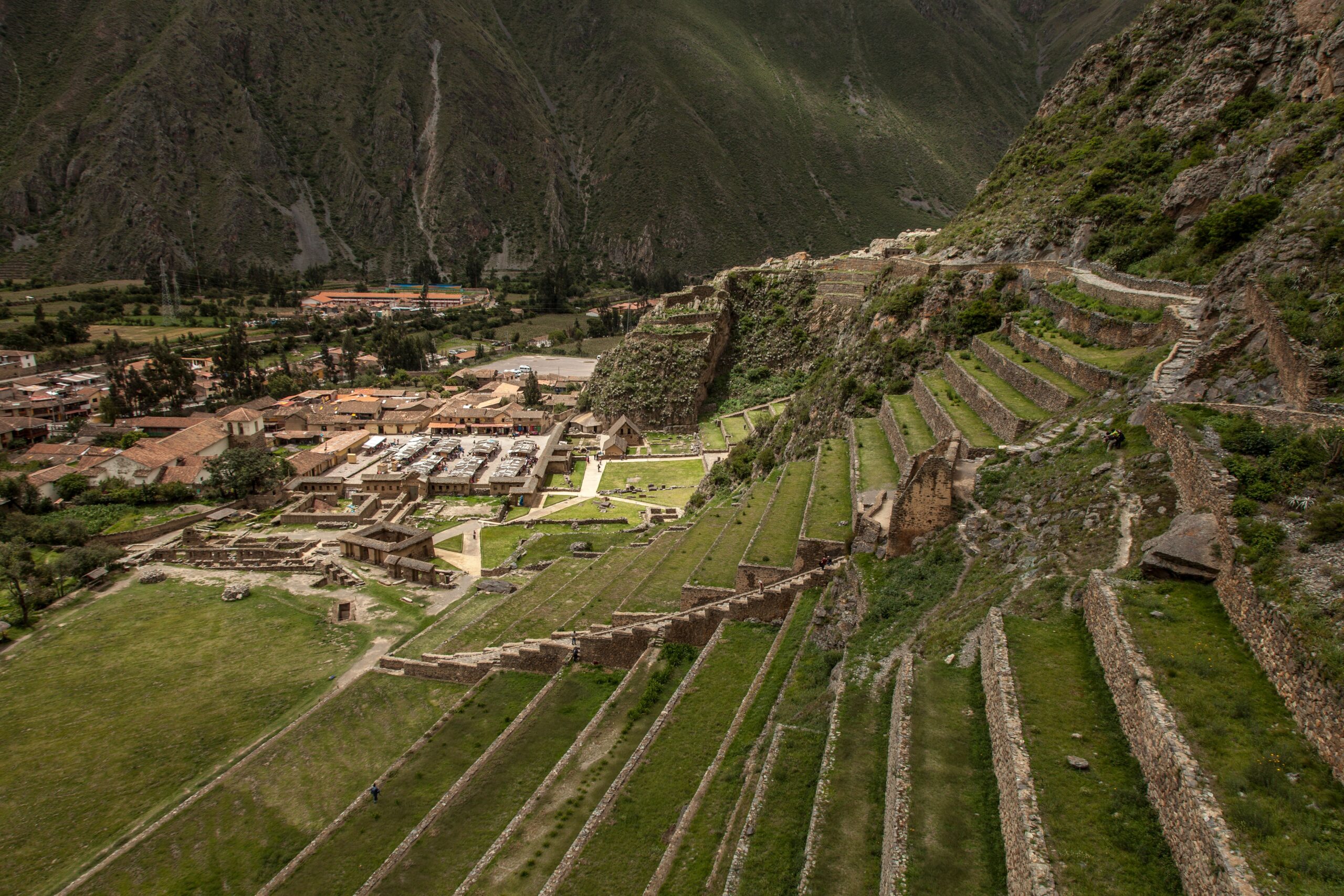
The full Boleto Turistico costs S/130 for a foreign adult, stays valid for 10 days, and covers entry to 16 sites (Turismo Liberty, 2026). Those include the major Sacred Valley ruins at Pisac, Ollantaytambo, Moray and Chinchero, along with several museums and sites in and around Cusco.
Partial circuit tickets are sold for less and suit travelers staying only a day or two. Students with an ISIC card pay a reduced rate, and children under nine enter free. A simple rule works well: if you plan to visit three or more of the ticket's sites, the full version usually pays for itself. A few popular spots, including the Maras salt mines, charge their own separate admission and are not inside this ticket.
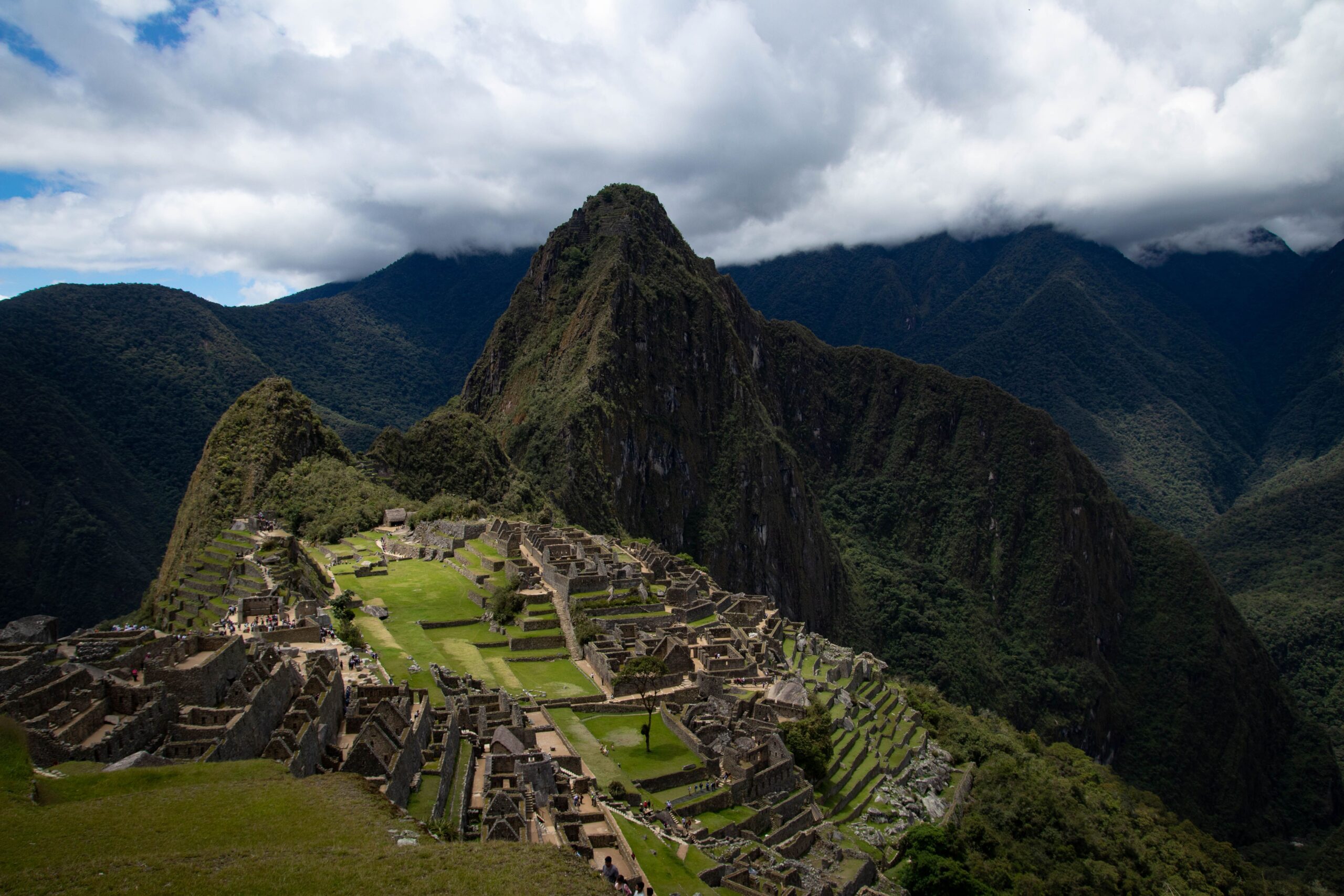
Machu Picchu is also sold separately and is not part of the Boleto Turistico. Routes that add a mountain climb cost more than the standard entry. Because daily entry is capped and timed, book early and confirm the current price and availability directly on the Peruvian government's official Machu Picchu ticketing site.
How Much Should You Budget for Food?
Food is where the Sacred Valley rewards a modest budget. Local restaurants serve a menu del dia, a set lunch with soup, a main and a drink, for a few soles, which keeps daily eating costs low if you avoid tourist-strip dining. Dinner at a sit-down restaurant costs more, and a splurge at a destination restaurant costs far more again.
Markets in Pisac and Urubamba are the cheapest option of all. Fresh fruit, bread, cheese and empanadas cost very little and make an easy breakfast or trail lunch. Street stalls and bakeries fill the gap between meals without denting a cusco trip budget 2026.
Eating well here also means eating locally. A traditional pachamanca, where meat and vegetables cook underground on hot stones, is worth building into your trip at least once as a cultural experience rather than just a meal. Treat one or two special meals as planned splurges rather than daily spending, and your food budget stays comfortable.
What Do Guided Tours and Experiences Cost?
Guided tours vary more by format than almost any other expense. A group day tour of the Sacred Valley, covering several ruins in one loop with transport and a guide, is the most economical structured option and spreads the cost across a full van. Private tours and specialized experiences cost more because you are not sharing the guide or the vehicle.
Classic add-ons include an alpaca hike near Chinchero, a weaving demonstration, stargazing sessions and photography outings. Many of these are bookable through your lodging, which often simplifies logistics. If astrophotography is on your list, the valley's thin, dry air makes it exceptional, so plan sessions around the new moon and the dry-season months for the clearest skies.
Independent travelers can skip guides entirely at many sites and still enter with the Boleto Turistico. The trade-off is context: a good guide turns a wall of stone into a story. Mix a couple of guided experiences with self-directed days to balance cost and depth.
Sample Daily Budgets by Travel Style
Your daily spend depends almost entirely on where you sleep and how you move. A budget traveler using colectivos, hostel beds and market food can keep a full day in the valley to roughly $70 to $100, including a share of entrance fees. That figure assumes shared transport, set-lunch meals and only occasional paid tours.
A mid-range traveler who wants private rooms, a few sit-down dinners and the occasional private transfer should plan closer to $180 to $300 a day. Luxury and glamping stays sit above that range, since the lodging itself carries most of the cost while transport and food stay broadly the same.
Here is a rough daily frame to adapt:
- Budget: hostel or guesthouse bed, colectivos, market and menu del dia meals, self-guided site visits.
- Mid-range: private hotel room, mix of colectivos and taxis, restaurant dinners, one guided day tour.
- Comfort or glamping: boutique or dome lodging, private transfers, curated experiences, premium dining.
Two costs sit outside these daily figures and deserve their own line: the Machu Picchu entry ticket and the train to Aguas Calientes, which is priced in US dollars and varies by service and season. Both can rival a full day's spending on their own, so slot them in as one-off line items rather than folding them into your daily average.
A sensible way to plan is to set your lodging tier first, since it anchors everything else, then layer transport, food and a short list of must-do experiences on top. Build in one or two planned splurges, keep a cushion for the exchange rate, and the Sacred Valley stays well within reach at almost any budget.
Frequently asked questions
How much does a trip to the Sacred Valley cost per day in 2026?
Budget travelers typically spend about $70 to $100 a day covering a hostel bed, local meals, colectivo transport and a few entrance fees. Mid-range comfort runs higher, and glamping or luxury lodges sit well above that.
What does the Boleto Turistico cover and is it worth it?
The full Cusco Tourist Ticket costs S/130 for foreign adults, stays valid 10 days, and bundles entry to 16 sites including Pisac, Ollantaytambo, Moray and Chinchero. If you visit three or more of its sites, it usually pays for itself.
Is the Sacred Valley cheaper than Cusco city?
Food and shared transport are often slightly cheaper in valley towns than in central Cusco, while lodging ranges widely from budget guesthouses to high-end lodges. Many travelers find the valley a calmer, better-value base.
Do I need to buy the Machu Picchu ticket separately?
Yes. Machu Picchu is not part of the Boleto Turistico. You book it through Peru's official ticketing portal in advance, since daily entry is capped and timed by circuit.