
Key takeaways
- Eco tourism in Cusco means choosing low-impact lodging, booking local guides, and following the access rules that protect sites like Machu Picchu.
- Peru caps Machu Picchu at 5,600 daily visitors in peak season and 4,500 in low season, with the Inca Trail limited to 500 hikers a day.
- Glass dome glamping reduces construction footprint by sitting lightly on the land, while large windows cut the need for daytime lighting.
- The clearest way to give back is to spend directly with Quechua weavers, farmers, and family-run kitchens rather than through middlemen.
- Small choices add up: refillable bottles, booking community-run experiences, and staying longer in fewer places all lower your impact.
Eco tourism in Cusco means traveling through the Sacred Valley in a way that protects its landscapes and puts money directly into Andean hands. You do that by choosing low-impact lodging, hiring local Quechua guides, buying crafts from the people who make them, and respecting the rules that keep fragile sites like Machu Picchu standing. This guide walks through what responsible travel looks like in the Andes and the specific choices that make a real difference.
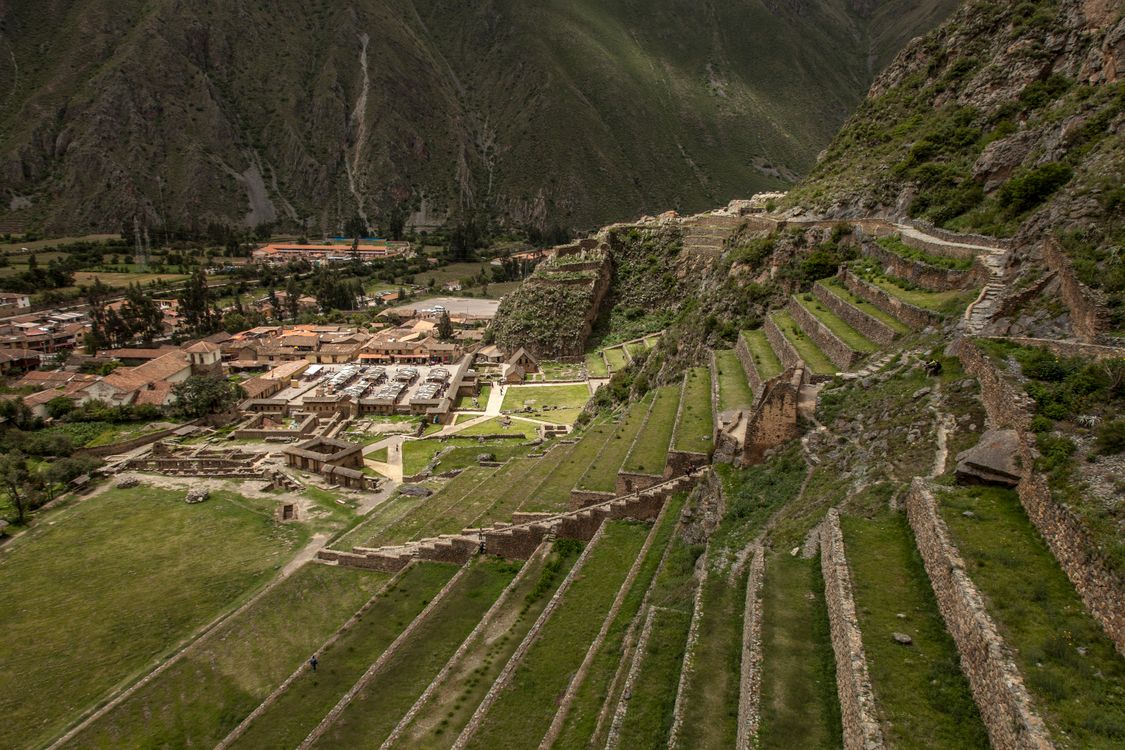
The Sacred Valley sits at high altitude between Cusco and Machu Picchu, threaded by the Urubamba River and ringed by terraced hillsides the Inca farmed centuries ago. It is beautiful, and it is also under pressure. The same qualities that draw travelers also strain water, trails, and village life when visitor numbers climb too fast. Sustainable travel in the Sacred Valley is about enjoying the place without using it up.
What Eco Tourism in Cusco Means in the Andes
Responsible travel in the Andes rests on a simple idea: you are a guest in a living cultural landscape. Quechua communities still farm these terraces, herd alpacas on the high slopes, and weave textiles using techniques passed down for generations. Your presence should support that way of life rather than disrupt it.
That starts with pacing yourself. Altitude here runs from roughly 2,800 to 3,800 meters, so the slow, low-impact approach that protects the environment also protects your body. It means walking instead of taking a private car for short trips, carrying out what you carry in, and keeping noise and crowds down at quiet village sites.
Demand for this kind of travel is real and growing. The global ecotourism market reached an estimated $279.41 billion in 2025, a 13.1 percent increase from $246.99 billion the year before, according to research compiled by Radical Storage. Travelers are voting with their wallets for places that take conservation seriously, and the Sacred Valley has the community infrastructure to meet them.
Low-Impact Lodging and How Eco Domes Reduce Footprint
Where you sleep shapes a large part of your footprint. Big hotels need deep foundations, heavy construction, constant lighting, and a lot of water for laundry and landscaping. Smaller, lighter accommodation treads more gently on the land.
Glass dome glamping is one of the clearest examples. A geodesic dome rests on a light platform rather than a large poured footing, so building it disturbs far less ground than a conventional structure. The transparent walls do double duty: they let in daylight, which cuts the need for electric lighting during the day, and they frame the mountains and night sky without anyone having to clear or pave the view. This is the model Sky Dome Peru uses for its suites near Chinchero, placing comfortable rooms in the landscape without permanently altering it.
Low-impact lodging also tends to be smaller in scale, which spreads visitors out instead of concentrating them. A handful of domes on a hillside puts less strain on local water and roads than a large resort. When you compare options, look for places that source food locally, manage waste responsibly, limit their room count, and employ people from nearby villages.
Supporting Local Communities and Artisans
The money you spend can either flow back out to foreign operators or stay in the valley. Making it stay is the heart of sustainable travel.
The most direct route is to buy from makers themselves. Chinchero is the living capital of Andean weaving, where cooperatives of Quechua women spin, dye, and weave textiles using natural materials and ancestral patterns. Buying a piece there, rather than from a city gift shop, means the weaver keeps the full value of her work. Our guide to shopping for authentic Andean textiles in Chinchero explains how to recognize genuine handwoven cloth and pay a fair price.
Beyond textiles, you can:
- Hire local Quechua guides instead of outside tour companies for hikes and site visits.
- Eat at family-run kitchens and try a traditional pachamanca, the Andean earth-oven feast, cooked by the household that hosts it.
- Book community-run experiences such as alpaca walks, farming days, or weaving demonstrations, where the village sets the terms and keeps the income.
- Stay longer in fewer places, which builds real relationships and spreads your spending across local businesses.
Consumer behavior backs up the value of this. Survey after survey finds that a majority of travelers are willing to pay a modest premium for sustainable products and are more likely to choose a destination that promotes responsible practices. Paying a little more to the right people is something most travelers already want to do.
Respecting Sacred Sites and Natural Landscapes
The Sacred Valley earned its name. Sites like Ollantaytambo, Pisac, and Machu Picchu are not just ruins but places of continuing cultural and spiritual meaning. Treating them with care is part of the deal.
Peru has put firm limits in place to protect its most famous site. Machu Picchu allows up to 5,600 visitors per day during peak season, between June and mid-October, and 4,500 per day in the low season, while the classic Inca Trail is capped at 500 hikers a day, as detailed in the University of Miami's Inter-American Law Review. These caps exist to stop crowds from wearing the site down. For the traveler, that means booking tickets and trail permits well in advance and planning around a fixed entry time.
Respecting the landscape is just as important as respecting the monuments. Stay on marked trails so you do not erode terraces or trample high-altitude plants. Give wildlife space; the valley is home to Andean birds and small mammals that are easily disturbed. Carry a refillable water bottle instead of buying single-use plastic, and pack out any trash, since mountain villages often lack the systems to handle tourist waste.
Simple Choices Travelers Can Make to Give Back
You do not need to overhaul your trip to travel responsibly. A handful of practical choices does most of the work:
- Choose light lodging. Pick small, locally staffed places such as eco domes or family guesthouses over large resorts.
- Spend locally and directly. Buy crafts from artisans, eat at local kitchens, and book guides and experiences run by the community.
- Follow the rules. Book Machu Picchu and Inca Trail permits early, keep to trails, and honor visitor limits and site etiquette.
- Cut your waste. Carry a refillable bottle, refuse single-use plastics, and take your trash with you.
- Slow down. Stay longer in fewer places. Less transport between destinations lowers emissions, and a longer stay sends more money into the local economy.
- Offset the long haul. International flights are the biggest part of most travelers' footprint, so consider a reputable carbon offset for the trip.
None of these choices asks you to sacrifice a good experience. Staying in a glass dome, eating a pachamanca cooked in the ground, and buying cloth straight from the loom are among the best things you can do in the valley, and they happen to be the sustainable ones too.
If you are planning a trip, start by booking a stay that keeps its footprint small and its staff local, then build your days around community-run experiences in Chinchero and the surrounding villages. That single decision, made before you ever arrive, sets the tone for a trip that gives back as much as it takes.
Frequently asked questions
What does eco tourism in Cusco actually involve?
It means traveling in a way that limits environmental harm and sends money to local people. In practice that is choosing low-impact lodging, hiring Quechua guides, buying directly from artisans, and respecting visitor limits at protected sites.
Is the Sacred Valley a good place for sustainable travel?
Yes. The Sacred Valley has a strong network of community tourism projects, weaving cooperatives, and eco-focused lodges, so it is straightforward to spend your money where it supports local families and conservation.
Are there visitor limits that affect eco-conscious travelers?
Yes. Machu Picchu allows up to 5,600 visitors per day in peak season and 4,500 in low season, and the classic Inca Trail is capped at 500 people daily. Book well ahead, especially between June and October.
How does glass dome glamping reduce environmental impact?
Domes sit on light foundations instead of large poured footings, so they disturb less ground. Their glass walls bring in daylight and let guests enjoy the landscape without clearing it or building permanent structures.
What is the single easiest way to travel more responsibly here?
Book experiences run by local communities and buy crafts straight from the makers. That keeps the largest share of your spending in Quechua households rather than with outside operators.