Key takeaways
- The Sacred Valley has two seasons: a dry season from May to September with clear skies, and a rainy season from November to March with afternoon storms.
- Cusco averages a 14 to 16 degree Celsius daytime high year round, but nights drop to roughly 4 to 8 degrees Celsius because of the altitude.
- Rainfall swings sharply: Cusco records about 93.8mm in dry July against 348.4mm in wet February (World Weather Online).
- June through August offer the clearest nights for stargazing, especially around a new moon.
- Pack layers in every season because the gap between midday sun and nighttime cold is large at high elevation.
The Sacred Valley has two clear seasons: a dry season from May to September with sunny days and cold, star-filled nights, and a rainy season from November to March when green hillsides meet short afternoon storms. If you are tracking Sacred Valley weather by month to plan a trip near Chinchero or across Cusco's valley, the single most useful fact is that temperatures stay mild all year while rainfall swings dramatically between seasons.
That pattern shapes everything: what you pack, when you hike, and whether you will see a sky full of stars or a blanket of cloud. Below is a practical, month-by-month look at what to expect.
Sacred Valley Weather by Month: Temperatures and Rainfall
Cusco's daytime temperatures barely move across the calendar, sitting between roughly 14 and 16 degrees Celsius, while rainfall changes enormously. World Weather Online records about 348.4mm of rain in February, the wettest month, against just 93.8mm in July, the driest (World Weather Online, retrieved 2026-11-10). December is nearly as wet as February, at around 351.0mm.
Daytime highs tell a gentler story. January averages a 14 degree high with a 7 degree low, July a 15 degree high with a 4 degree low, and November a 16 degree high with an 8 degree low. The headline is that the valley is spring-like by day throughout the year, so the season you choose is really a choice about rain and night-time cold, not about heat.
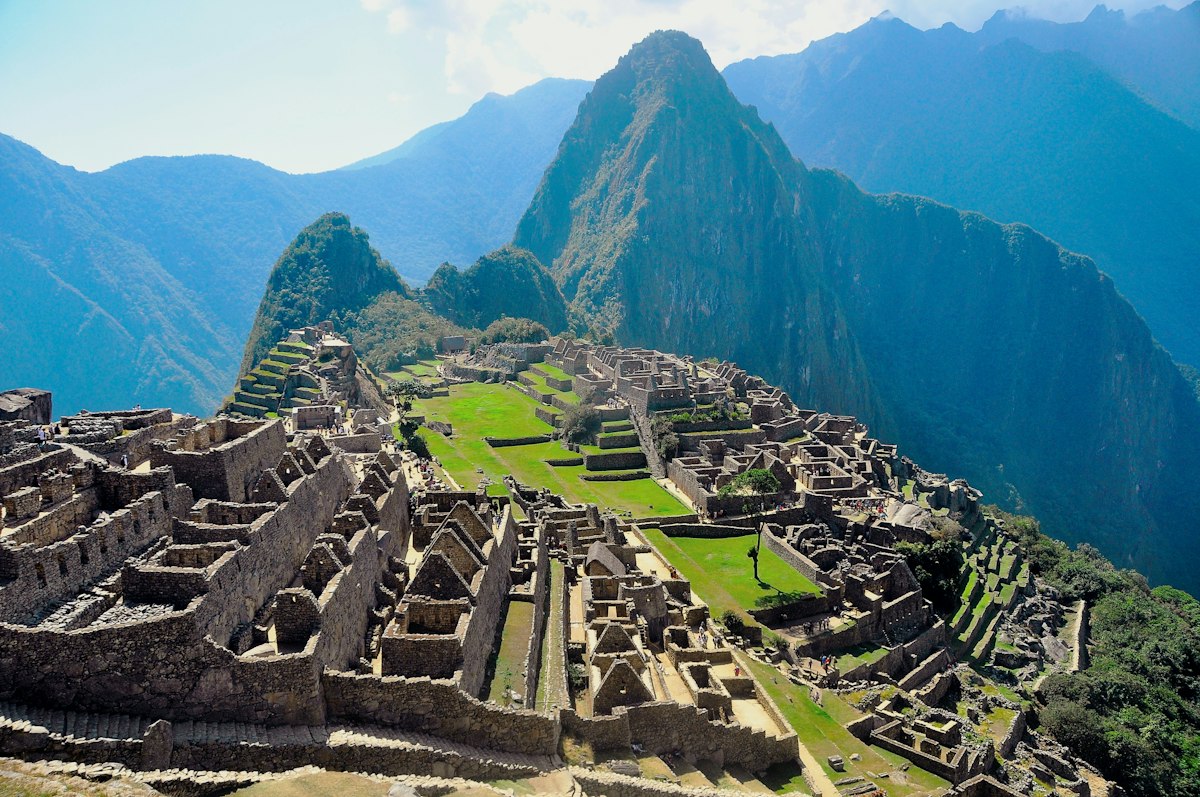
Here is a quick seasonal shorthand for the Cusco climate:
- Dry season (May to September): highs of 15 to 16 degrees, lows of 4 to 6 degrees, little rain.
- Rainy season (November to March): highs of 14 to 15 degrees, lows of 6 to 8 degrees, heavy monthly totals.
- Shoulder months (April, October): a mix of both, with moderate rain and fewer crowds.
Prices tend to follow the same rhythm, with the dry-season months in peak demand and the rainy season generally quieter and cheaper.
How Does the Dry Season Compare to the Rainy Season?
The dry season trades greenery for clarity, and the rainy season does the reverse. From May to September, skies stay largely clear and rainfall drops to a fraction of its wet-season peak, as the February-versus-July figures above show. That clarity is why most hikers and photographers favor these months.
The rainy season has its own appeal. Storms tend to arrive as short, heavy afternoon bursts rather than all-day drizzle, so mornings are often bright and calm. The hillsides turn a deep green, waterfalls run full, and the valley feels quieter because fewer travelers visit. The main trade-off is unpredictability: a planned afternoon at Moray or on an alpaca hike may need a reshuffle around the weather.
A packed sightseeing itinerary, with early starts at sites like Moray, Ollantaytambo, and Chinchero, runs most smoothly in these dry months.
How Does Altitude Affect Day and Night Temperatures?
Altitude is why the valley feels warm at noon and freezing by midnight. Cusco and Chinchero both sit high in the Andes, while the valley floor towns of Urubamba and Ollantaytambo lie several hundred meters lower. Thin air at these elevations holds little heat, so once the sun drops, temperatures fall fast.
That is the mechanism behind a wide swing in a single day. In July, Cusco can reach a 15 degree high and then slide to a 4 degree low after dark. Sleeping at the higher Chinchero elevation means colder nights than down on the valley floor, which is worth remembering when you book where to stay.
The altitude also affects how your body feels. Arriving directly at the higher elevations can trigger headaches and fatigue, so easing in matters. Spending your first day or two resting, drinking plenty of water, and avoiding alcohol helps most travelers acclimatize comfortably.
What Can You Expect for Stargazing in Each Month?
The best stargazing lines up neatly with the dry season, peaking from June through August when nights are clearest and driest. Peru's official tourism body notes that the valley's high altitude and low light pollution make it exceptional for viewing the Milky Way, with the dry months offering the cleanest skies (Peru.travel, retrieved 2026-11-10).
Month by month, the picture looks like this. From May to September, expect frequent cloud-free nights, though they are also the coldest, so dress warmly for late viewing. In the shoulder months of April and October, clear spells still happen but clouds are more common. From November to March, heavy cloud and rain make reliable stargazing difficult, with only occasional clear windows between storms.
Timing around the moon matters as much as the season. A new moon leaves the sky dark enough to reveal the Milky Way's core, while a full moon washes out all but the brightest stars. At Sky Dome Peru, the glass domes are built for exactly this: you can watch the southern sky, including constellations like the Southern Cross, from inside a warm bed on a freezing clear night.
How Should You Pack and Plan by Season?
Pack for a wide daily temperature range in every season, because the gap between midday sun and nighttime cold is large all year. The rule that works in both seasons is layering: a base layer, a warm mid-layer, and an outer shell you can add or shed as the sun rises and sets.
For the dry season (May to September), prioritize warmth for the nights. Bring a proper insulated jacket, a hat, and gloves for stargazing and early starts, plus strong sun protection for the intense high-altitude daytime sun. A reusable water bottle helps with both hydration and acclimatization.
For the rainy season (November to March), add a waterproof jacket and quick-dry layers, and plan outdoor activities for the morning when storms are less likely. Flexible scheduling is your best tool: keep an indoor option, such as a weaving workshop or a museum, ready for wet afternoons.
Whatever month you choose, the daytime clothing stays similar; it is the night-time gear and rain protection that change. For a full checklist tailored to the climate here, see our guide on what to pack for Andean glamping in Cusco.
Choosing Your Month
If clear skies and reliable hiking weather top your list, book between June and August and bring serious warm layers for the cold nights. If you would rather have green landscapes, lower prices, and more solitude, the rainy-season mornings from November to March reward travelers who stay flexible. Decide which trade-off suits your trip, then lock in your dates and your packing list around it so the weather works for you instead of against you.
Frequently asked questions
What are the two seasons in the Sacred Valley?
The region has a dry season (May to September) with sunny days and cold, clear nights, and a rainy season (November to March) with green landscapes and frequent afternoon thunderstorms. April and October are transitional months.
What is the best month to visit the Sacred Valley for good weather?
May through September gives the most reliable sunshine and the driest conditions. June to August are peak dry-season months, ideal for hiking, photography, and stargazing, though nights are the coldest of the year.
Is it cold at night in the Sacred Valley?
Yes. Even when daytime highs reach 14 to 16 degrees Celsius, nighttime lows in Cusco can fall to around 4 degrees Celsius in the dry season. The high altitude makes evenings and early mornings noticeably cold.
When is the best time for stargazing near Chinchero?
The dry season, especially June through August, offers the clearest night skies. Plan your trip around a new moon for the darkest conditions and the best view of the Milky Way.
Does the rainy season ruin a Sacred Valley trip?
No. Rain usually falls in short afternoon bursts, leaving mornings bright and the valley lush and green. With a rain jacket and flexible timing, the wet season can be a beautiful, quieter time to visit.