
Key takeaways
- US citizens do not need a visa for tourist stays in Peru; a passport stamp on arrival grants the permitted stay.
- Carry a passport valid for at least six months beyond your arrival date with a couple of blank pages.
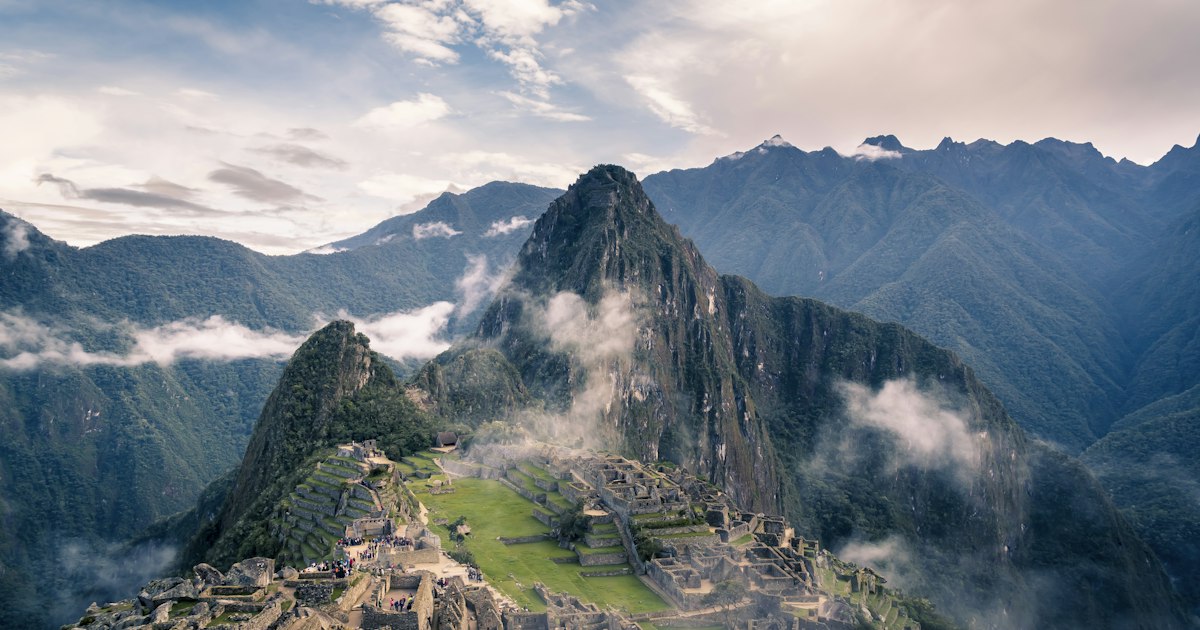
- The CDC does not recommend yellow fever vaccine for areas above 2,300 m (7,550 ft), which includes Cusco, the Inca Trail and Machu Picchu.
- Cusco's airport sits at 10,860 ft (3,310 m), so plan a slow first day to adjust to the altitude.
- Declare cash if you carry more than the equivalent of US$10,000 in or out of Peru.
US citizens do not need a visa to visit Peru for tourism, and there is no advance application or fee. You need a passport valid for at least six months beyond your arrival, and an immigration officer records your entry and grants a permitted stay when you land. That is the core of Peru entry requirements for US travelers, but a smooth trip to Cusco and the Sacred Valley also depends on health prep, customs rules and a short flight from Lima.
This guide walks through each step in order: your passport and how long you can stay, whether a visa applies, the vaccines worth sorting before you go, what to declare at customs, and how to reach the mountains once you arrive.
Passport rules: the first of Peru's entry requirements for US travelers
Bring a passport valid for at least six months beyond your date of entry, with a blank page or two for stamps. This is standard practice across Peru travel requirements and matches the guidance US citizens see for most of Latin America. A machine-readable passport is expected, and an expired or nearly expired document is the most common reason travelers get turned back at check-in.
Check the expiry date now, not at the airport. Passport renewals can take several weeks during busy seasons, so give yourself a buffer. If your current passport has fewer than six months of validity left when you plan to travel, renew it before booking flights.
The US State Department publishes country-specific entry details for Peru, and it is worth a quick read close to your departure date in case rules shift. Keep a photo or scan of your passport's photo page stored separately from the physical document in case it is lost.
Do US citizens need a visa for short visits?
No. US passport holders do not need a visa for tourism, business meetings or visiting family in Peru. There is no form to file ahead of time and no fee at the border. Entry is recorded by passport stamp, and Peru has rolled out a virtual Andean Migration Card (TAM) at Lima's airport, so you may not receive a paper card at all.
How long can you stay? Immigration officers commonly grant up to 90 days for tourists, while the legal maximum is 183 days within any 365-day period. The officer sets the figure at entry, so glance at your stamp before you walk away. You cannot reset the clock by hopping across a border and coming straight back, since the limit tracks a rolling year.
One caveat matters: a tourist entry does not allow paid work in Peru. If your trip involves employment, that requires a separate visa category arranged in advance. For a standard luxury nature trip or a Sacred Valley heritage tour, the tourist entry covers everything you need.
What vaccines and health prep do you need for Peru?
The CDC recommends routine vaccines plus hepatitis A for essentially all travelers, and it does not recommend yellow fever vaccine for high-altitude destinations like Cusco. Yellow fever shots are advised only for lower regions. The CDC states the vaccine is "not recommended for travel limited to areas above 2,300 m (7,550 ft) elevation," naming Cusco, the Inca Trail and Machu Picchu directly (CDC, 2026).
For a typical Sacred Valley trip, the CDC lists hepatitis A for unvaccinated travelers one year or older, hepatitis B for unvaccinated travelers under 60, and typhoid worth considering for rural travel or longer stays. Make sure routine shots such as MMR are current. If you plan to add an Amazon extension at low elevation, ask your doctor about yellow fever and malaria prevention for that leg.
The bigger health factor in Cusco is altitude, not disease. The city and surrounding ruins sit high enough that soroche, or altitude sickness, is common in the first day or two. Headaches, poor sleep and breathlessness are typical. The CDC advises talking to your doctor beforehand about prevention and treatment. Staying in the Sacred Valley, which sits lower than Cusco city, makes the adjustment gentler, and a slow first day with plenty of water helps. If stargazing is on your list, acclimatizing early means you can actually enjoy a late night out; our guide to Inca astronomy and the dark constellations of the Andes explains what to look for once you do.
What are the customs and currency rules?
Declare cash if you carry more than the equivalent of US$10,000 when entering or leaving Peru, in any currency. Below that amount there is nothing to report. Carrying undeclared sums above the threshold can trigger penalties and temporary withholding of the funds, so fill in the customs declaration if you are moving large amounts.
Most visitors never hit that limit. The practical money tip is simpler: Peru uses the sol, and while cards work in cities and larger hotels, cash is king at rural markets, craft stalls and small eateries. Withdraw soles from ATMs after you arrive rather than carrying stacks of dollars. A mix of small bills makes buying textiles in Chinchero or a snack on a hike far easier.
On the goods side, standard personal belongings pass through without issue. Peru restricts bringing certain plants, animal products and large quantities of goods meant for resale. If you shop for Andean textiles in Chinchero, ordinary souvenir quantities are fine, though genuine antiques may need export paperwork.
How do you get from Lima to Cusco?
Fly. Almost every international arrival lands first in Lima, then connects to Cusco on a nonstop domestic flight that takes well under two hours. Multiple airlines run the route many times a day from early morning to late evening, so you have flexibility if your international flight is delayed. Booking the Lima to Cusco leg a few weeks ahead usually secures better fares and morning departures, which tend to face less weather disruption in the mountains.
Cusco's airport sits at 10,860 ft (3,310 m) above sea level, among the highest commercial airports anywhere. That matters the moment you step off the plane. You may feel the thin air immediately, so move slowly, skip heavy meals and alcohol on arrival, and give your body time. Rather than racing straight into a full day of touring, many travelers head down into the Sacred Valley, which sits lower and eases acclimatization.
That is exactly where Sky Dome Peru fits. Our glass dome glamping suites near Chinchero let you land, drop into the quieter valley, and rest at a gentler elevation while still being close to Incan heritage sites, alpaca hikes and some of the clearest night skies in the region. For a sense of how to pace those first few days, see our perfect 3-day Sacred Valley itinerary, which builds in time to adjust before any strenuous climbs.
Once you have handled the passport, the vaccines, the customs form and the flight, the hard part is done. Confirm your passport has at least six months of validity today, then book an early Lima to Cusco flight and a first night in the Sacred Valley so your body adjusts before the real adventure begins.
Frequently asked questions
Do US citizens need a visa to visit Peru?
No. US passport holders can enter Peru for tourism without a visa. An immigration officer records your entry and grants a permitted stay when you arrive, usually by passport stamp or the virtual migration card.
How long can Americans stay in Peru without a visa?
Immigration commonly grants up to 90 days for tourists, with a legal ceiling of 183 days within any 365-day period. The exact length is set by the officer at entry, so confirm your stamp before leaving the counter.
Do I need a yellow fever vaccine for Cusco or Machu Picchu?
No. The CDC does not recommend yellow fever vaccine for travel limited to areas above 2,300 m (7,550 ft), which includes Cusco, the Inca Trail and Machu Picchu. It is advised for lower Amazon regions instead.
How do I get from Lima to Cusco?
Most travelers fly. Daily nonstop flights connect Lima to Cusco in well under two hours, landing at an airport above 10,000 feet. Buses exist but take more than 20 hours over mountain roads.
How much cash can I bring into Peru?
You must declare amounts over the equivalent of US$10,000 when entering or leaving Peru. Failing to declare can lead to penalties, so complete the customs form if you are carrying large sums.