Chinchero Weaving: Where Inca Textile Traditions Are Still Alive
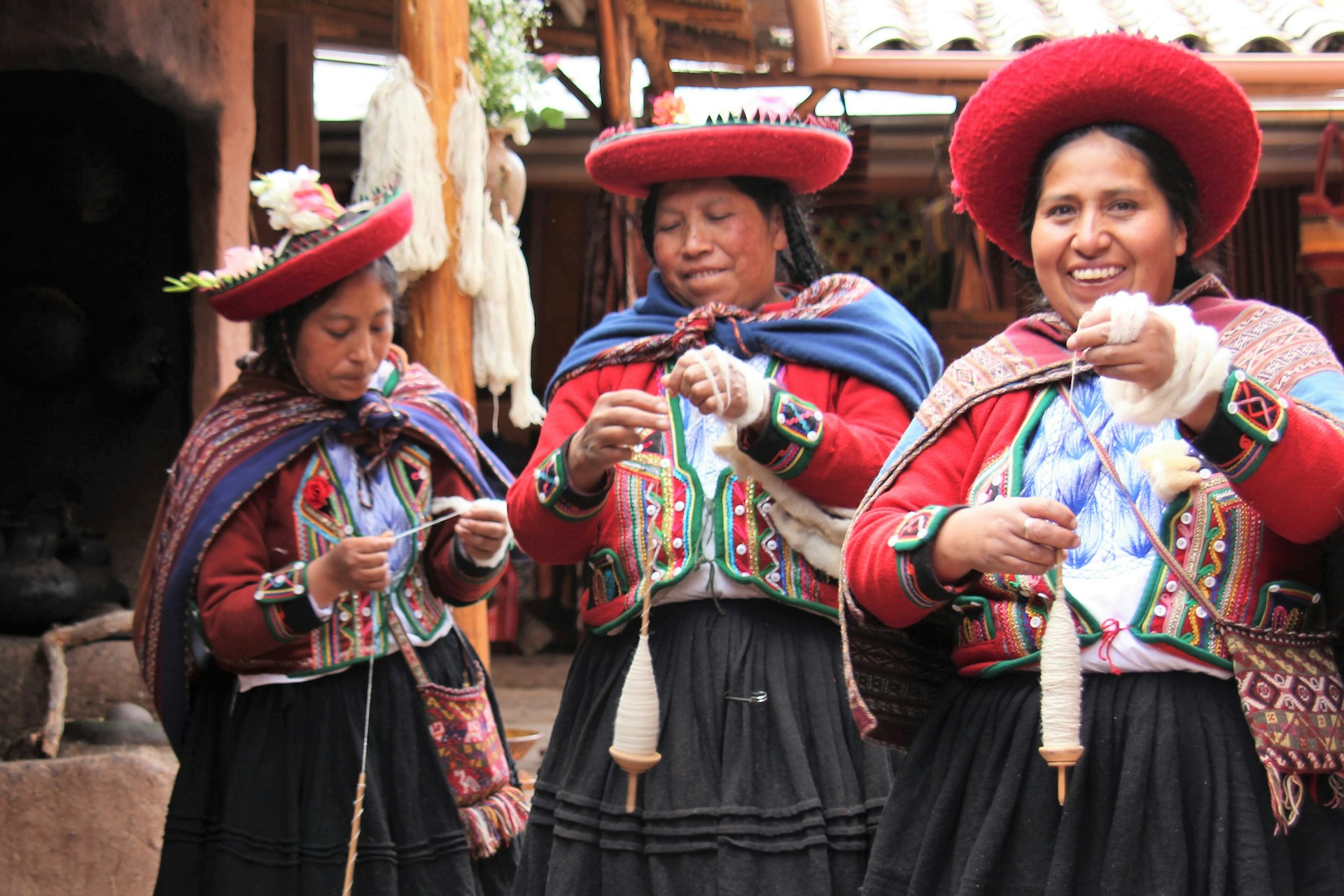
In the highlands of Peru’s Sacred Valley, the town of Chinchero is home to something far rarer than ruins: a living tradition. For centuries, the Quechua women of Chinchero have kept the ancestral art of Andean weaving alive, using the same fibers, natural dyes, and hand-loom techniques their Inca ancestors used long before the Spanish arrived. If you’re planning a trip to Cusco and want an experience that goes beyond photos of ruins, Chinchero weaving offers one of the most authentic cultural encounters in all of Peru.
A Living Inca Tradition, Passed Down for Generations
Long before Chinchero became known for its archaeological site, it was — and still is — a center of Inca textile mastery. The techniques practiced here were not lost to history; they were carefully preserved and passed from mother to daughter, generation after generation, almost entirely through oral tradition and hands-on practice.
Today, the weavers of Chinchero are part of organized associations and cooperatives that have worked since the 1990s to recover and safeguard traditional dyeing and weaving knowledge that had begun to disappear under the pressure of synthetic yarns and chemical dyes. Thanks to their efforts, techniques that are hundreds of years old — from cleaning raw alpaca wool to weaving symbolic Inca patterns — remain very much alive, and visitors can witness the entire process firsthand.
The Traditional Weaving Process: From Raw Wool to Finished Textile
A visit to a Chinchero weaving cooperative typically walks travelers through every stage of the process, exactly as it has been done for centuries:
1. Washing the Wool
Raw alpaca and sheep’s wool is cleaned using saqtana root, a natural plant-based detergent native to the region. The root is grated into water to create a soapy liquid, which is used to wash the wool two or three times until it’s completely clean — no chemicals involved.
2. Spinning the Yarn
Using a simple hand spindle called a pushka, the women transform raw wool into fine, even thread — a skill that takes years to master and is often taught to girls from early childhood.
3. Natural Dyeing
This is where Chinchero’s textiles truly come alive. Local weavers use natural dyes sourced entirely from the surrounding environment:
- Cochineal insects (found on cactus pads) produce more than a dozen shades of red, from soft pink to deep crimson.
- Indigo creates rich blues.
- Chilka leaves produce vibrant greens.
- Purple corn, walnut shells, and various roots and flowers round out an extraordinarily wide natural color palette.
Many demonstrations let visitors watch yarn change color right before their eyes, often with the addition of a natural mineral fixative like salt to set the dye.
4. Weaving on the Traditional Backstrap Loom
Using a backstrap loom — a technique that predates the Inca Empire — weavers create intricate geometric patterns entirely by hand, without any written pattern or machine assistance. Designs are memorized and improvised from memory, often incorporating symbolic motifs tied to Andean cosmology, nature, and community identity.
The Symbolism Behind Chinchero Textiles
Chinchero’s textiles aren’t just decorative — they tell a story. The region’s iconography is built around a central design called luraypu, around which smaller symbolic motifs are arranged. Chinchero weavers are also known for a unique and highly technical border technique called ñawi awapa, in which the border is simultaneously woven and sewn onto the edge of the textile to prevent it from unraveling — a detail experienced textile collectors specifically look for when buying in the region.
Each poncho, lliklla (traditional shawl), table runner, or scarf can take anywhere from several days to several weeks to complete, depending on its size and complexity.
Weaving Classes and Hands-On Textile Experiences in Chinchero
For travelers who want more than a demonstration, several cooperatives and family-run workshops in Chinchero now offer hands-on weaving experiences and classes, including:
- Guided weaving demonstrations covering the full process, from raw wool to finished cloth.
- Natural dyeing workshops, where visitors can help prepare dye baths from cochineal, plants, and roots.
- Backstrap loom lessons, where beginners can try weaving a small sample piece themselves under the guidance of an experienced local weaver.
- Multi-day textile immersion experiences, in some cases including a homestay with a weaving family for travelers who want a deeper cultural exchange.
- Direct-from-artisan shopping, allowing visitors to purchase authentic, handmade alpaca textiles directly from the women who made them — supporting the local economy without intermediaries.
These experiences are ideal for slow travelers, textile and craft enthusiasts, photographers, and anyone looking for sustainable, community-based tourism in the Sacred Valley.
Why Chinchero Weaving Matters for Responsible Travelers
Visiting a Chinchero weaving cooperative isn’t just a cultural activity — it directly supports the preservation of Inca-era knowledge and provides fair, sustainable income to Quechua women and their families. Many cooperatives reinvest proceeds into their communities, funding weaving education for younger generations and helping keep traditional techniques from disappearing.
Choosing an authentic, community-run textile experience over mass-produced souvenirs is one of the most meaningful ways travelers can practice responsible tourism in Peru.
How to Visit a Chinchero Weaving Cooperative
Most weaving centers are located within walking distance of Chinchero’s main plaza and archaeological site, making it easy to combine a visit with your tour of the ruins. Many cooperatives welcome visitors daily, typically from mid-morning to late afternoon, with no reservation required for a standard demonstration — though booking ahead is recommended for hands-on classes or multi-hour workshops.
Chinchero weaving experiences pair naturally with a broader Sacred Valley day tour, often alongside the Chinchero archaeological site, the Maras Salt Mines, and the circular terraces of Moray.
Frequently Asked Questions About Chinchero Weaving
Is the weaving demonstration in Chinchero free? Most cooperatives offer free demonstrations to visitors, with the expectation that guests may wish to purchase handmade textiles afterward to directly support the weavers.
Can I take a weaving class in Chinchero? Yes. Several workshops offer beginner-friendly weaving and natural-dyeing classes where visitors can try the backstrap loom and prepare natural dyes themselves.
What should I buy in Chinchero? Popular handmade items include alpaca ponchos, lliklla shawls, table runners, scarves, and small woven bags — all dyed and woven using traditional techniques.
How long does a Chinchero weaving experience take? A standard demonstration takes about 30–45 minutes, while hands-on workshops and classes can run from 1–2 hours up to a full day for immersive experiences.
Are the dyes really natural? Yes. Chinchero cooperatives use plant-, root-, and insect-based dyes such as cochineal, indigo, and chilka, reviving techniques used since Inca times.
Experience Authentic Inca Weaving in Chinchero
Few places in the world let you witness a textile tradition that has survived, largely unchanged, since the time of the Inca Empire. In Chinchero, the art of weaving isn’t preserved behind glass in a museum — it’s alive in the hands of the women who practice it every day.
Ready to experience Chinchero’s weaving traditions firsthand? Contact us to book a Sacred Valley tour that includes an authentic Chinchero textile experience, complete with natural dyeing demonstrations and hands-on weaving classes.