Chinchero Archaeological Site: The Complete Travel Guide to Peru’s “Birthplace of the Rainbow”
Tucked into the highlands of Peru’s Sacred Valley, the Chinchero archaeological site is one of the most authentic and underrated Inca destinations near Cusco. While Machu Picchu draws the crowds, Chinchero offers something different: a living Andean village where Inca terraces, a colonial church, and centuries-old weaving traditions all exist side by side. If you’re building a Peru itinerary and searching for things to do in Chinchero, this guide covers everything foreign travelers need to know — from history and entrance tickets to the best time to visit and how to combine Chinchero with the rest of the Sacred Valley.
Where Is Chinchero Located?
Chinchero sits about 30 kilometers (19 miles) northwest of Cusco, at an elevation of roughly 3,760 meters (12,340 feet) — actually higher than Cusco itself. Perched on a plateau with panoramic views of the snow-capped Chicón mountain and the Vilcabamba and Vilcanota ranges, Chinchero is often the first stop on Sacred Valley tours, positioned conveniently between Cusco, Maras, Moray, Urubamba, and Ollantaytambo.
Because of its altitude, travelers should spend a day or two acclimatizing in Cusco before visiting Chinchero and other high-altitude Sacred Valley sites.
A Brief History of the Chinchero Ruins
According to Andean legend, Chinchero is the mythical “birthplace of the rainbow,” a nod to the frequent rainbows that appear over the valley, especially during the rainy season. Long before Spanish colonization, Chinchero served as an important Inca agricultural and administrative center under the emperor Túpac Inca Yupanqui, who is believed to have built a royal estate here in the late 15th century.
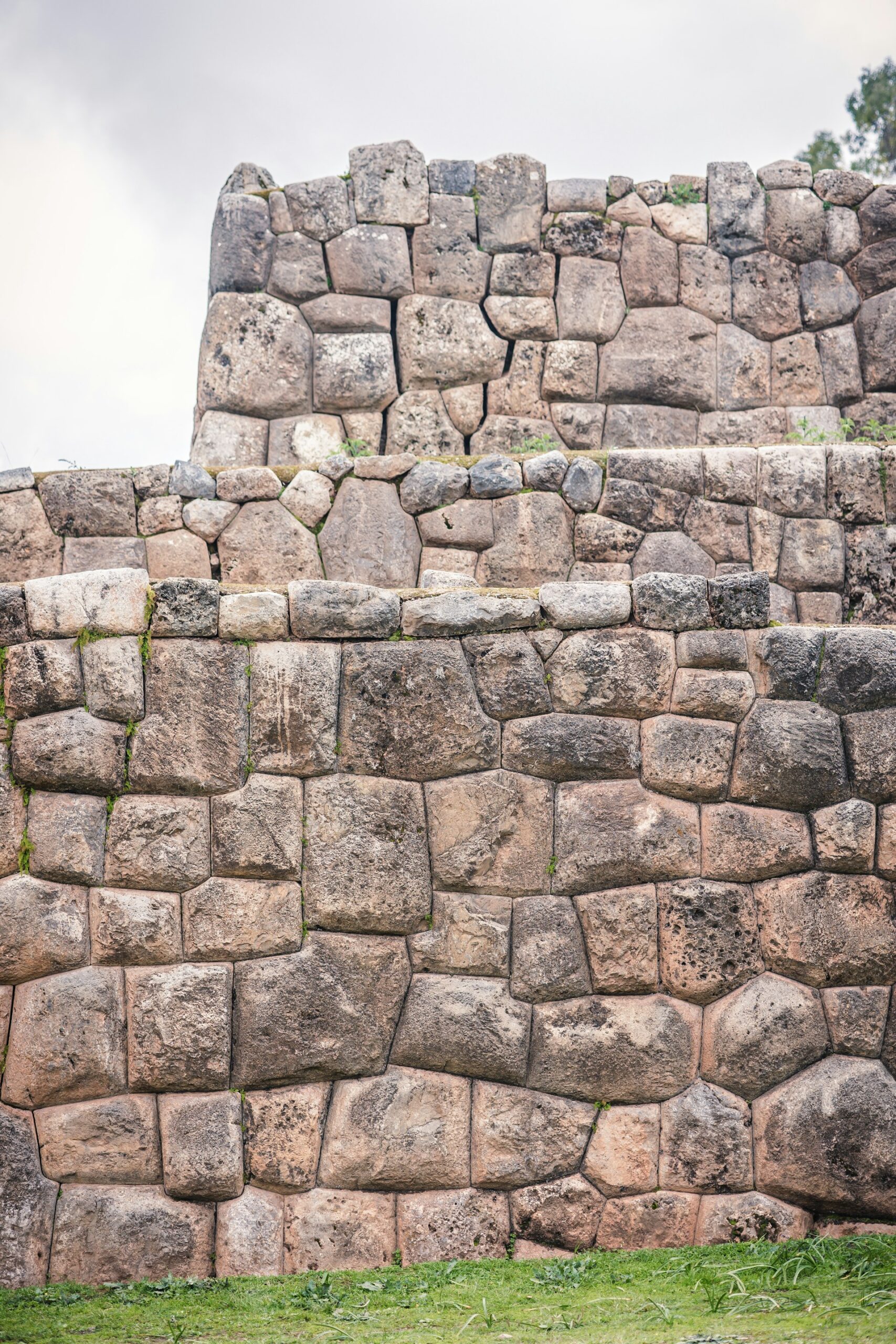
The site’s signature feature is its series of massive stone agricultural terraces, engineered by the Inca to maximize farming on steep mountain slopes — a hallmark of Inca engineering also seen at Moray and Pisac. After the Spanish conquest, colonizers built a 17th-century adobe church directly on top of Inca foundations, using original Inca stone walls as the base — a striking visual reminder of the layered history you’ll find throughout the Sacred Valley.
What to See at the Chinchero Archaeological Site
1. The Inca Terraces
The centerpiece of Chinchero is its network of trapezoidal stone terraces cascading down the hillside. Unlike the more famous ruins of Machu Picchu, these terraces are still partly used for agriculture today, giving visitors a rare glimpse into living Inca infrastructure.
2. The Colonial Church of Our Lady of Montserrat
Built atop an Inca palace wall, this whitewashed adobe church features vividly painted ceilings and walls dating to the 17th and 18th centuries. It’s one of the best-preserved examples of colonial religious art in the Cusco region.
3. The Inca Wall and Trapezoidal Niches
Along the main plaza, you’ll find an impressive Inca wall with ten large trapezoidal niches — a hallmark of imperial Inca stonework and one of the best photo spots at the site.
4. Chinchero’s Traditional Textile Market
Just outside the ruins, the Chinchero market is one of the most authentic in the Sacred Valley. Local Quechua women, dressed in traditional woven clothing, sell handmade textiles, alpaca blankets, and Pachamama figurines. Many travelers also visit a nearby weaving cooperative, where artisans demonstrate natural dyeing techniques using local plants and cochineal insects — a must for anyone interested in Peruvian textile traditions.
5. Piuray Lagoon
A short walk or drive from the main plaza, Piuray Lagoon offers a peaceful, scenic stop for travelers wanting a quieter side of Chinchero, away from the main tourist flow.
How to Get to Chinchero from Cusco
There are several easy ways to reach Chinchero from Cusco:
- Colectivo (shared van): Departs from Cusco’s Avenida Grau area toward Urubamba; the ride takes roughly 45 minutes and is the most budget-friendly option.
- Taxi: About 30 minutes from Cusco; a convenient choice if shared with other travelers to split the cost.
- Guided Sacred Valley tour: Most full-day Sacred Valley tours combine Chinchero, Moray, the Maras Salt Mines, and Ollantaytambo in a single itinerary, typically including transport and a bilingual guide.
- Private transfer: Ideal for travelers who want a flexible schedule or plan to continue on to Urubamba or the Machu Picchu train station in Ollantaytambo.
Entrance Tickets: Do You Need the Boleto Turístico?
Yes — entry to the Chinchero archaeological site and its church requires the Boleto Turístico del Cusco (Cusco Tourist Ticket). This official pass covers entrance to 16 sites across Cusco and the Sacred Valley, including:
- Chinchero
- Pisac
- Ollantaytambo
- Moray
- Tambomachay, Q’enqo, Puka Pukara, and Sacsayhuamán (near Cusco city)
The ticket is sold in partial (single-circuit) and full versions, and prices are periodically updated, so it’s best to check current rates directly with the official Cusco tourism authority (DIRCETUR) or your tour operator before your trip. Chinchero cannot be visited with a standalone ticket — the Boleto Turístico is mandatory.
Best Time to Visit Chinchero
- Dry season (May–September): The most popular time to visit, with clear skies and minimal rain — ideal for photography of the terraces and mountain backdrop.
- Shoulder season (April, October): Fewer crowds and still relatively good weather.
- Rainy season (November–March): Lush green terraces and, fittingly for the “birthplace of the rainbow,” a higher chance of catching a rainbow over the valley — though afternoon showers are common.
- Sundays: Chinchero hosts one of the region’s liveliest traditional Sunday markets, when the village is at its most vibrant and colorful.
Because Chinchero sits at high altitude, mornings can be cold — pack layers, sun protection, and a reusable water bottle, and consider visiting early in the day before tour buses arrive.
Chinchero vs. Other Sacred Valley Sites
Travelers often ask how Chinchero compares to Pisac, Ollantaytambo, or Moray. Here’s a quick way to think about it:
- Choose Chinchero for: traditional weaving culture, a colonial church built over Inca walls, and a genuine local market experience.
- Choose Moray for: the unique circular agricultural terraces used for Inca crop experimentation.
- Choose Ollantaytambo for: the most intact Inca fortress and the departure point for Machu Picchu trains.
- Choose Pisac for: extensive ruins plus a large daily artisan market.
Most visitors combine Chinchero with two or three of these sites in a single guided day tour of the Sacred Valley.
Practical Tips for Visiting Chinchero
- Altitude: Chinchero is higher than Cusco, so acclimatize first and stay hydrated.
- Footwear: Wear comfortable walking shoes — the terraces and cobblestone streets can be uneven.
- Cash: Bring Peruvian soles in small bills for the market, as many local vendors don’t accept cards.
- Guides: Hiring a local guide (or joining a group tour) adds valuable context to the Inca stonework and colonial church that’s easy to miss on a self-guided visit.
- Combine with Maras and Moray: These sites are close by and pair naturally with Chinchero for a full day exploring the northern Sacred Valley.
- Respect local customs: If you photograph local artisans or their textiles up close, it’s customary to ask permission first or offer a small tip.
Frequently Asked Questions About Chinchero
Is Chinchero worth visiting? Yes. For travelers interested in living Andean culture, textile traditions, and a quieter alternative to more crowded ruins, Chinchero is considered one of the most rewarding stops in the Sacred Valley.
How much time do you need at Chinchero? Most visitors spend 1.5 to 2 hours at the archaeological site and market, though textile demonstrations and photography can extend the visit.
Can I visit Chinchero without a tour? Yes, Chinchero is easy to visit independently by colectivo or taxi from Cusco, though a guide adds helpful historical context.
Is Chinchero part of the Machu Picchu route? Chinchero is not directly on the train route to Machu Picchu, but it’s commonly combined with a Sacred Valley tour before continuing to Ollantaytambo, where most Machu Picchu trains depart.
Plan Your Visit to Chinchero Today
The Chinchero archaeological site offers a rare combination of Inca engineering, colonial history, and living Quechua culture — all just a short trip from Cusco. Whether you’re planning a full Sacred Valley itinerary or a quick cultural stop before Machu Picchu, Chinchero deserves a spot on your Peru travel list.
Ready to experience Chinchero and the Sacred Valley for yourself? Contact us to book a guided tour that includes Chinchero, Moray, and the Maras Salt Mines — the perfect introduction to Inca history and Andean culture.