
Key takeaways
- A 3-day Sacred Valley itinerary works best when you cluster Chinchero, Maras and Moray on day one, save Machu Picchu for day two, and keep day three gentle.
- Sleep in the valley floor near Ollantaytambo or Chinchero rather than Cusco city to shorten daily drives and ease altitude adjustment.
- Chinchero sits at 3,754 m, higher than Cusco, so pace your first day and hydrate before tackling any steep ruins.
- Machu Picchu caps daily entry, so book timed tickets well ahead, especially from June through early November.
- Clear Andean skies make the valley one of the best places in the southern hemisphere for stargazing, ideally from your accommodation.
Three days in Peru's Sacred Valley is enough to see the weaving villages, the salt terraces, the circular ruins at Moray, Ollantaytambo and Machu Picchu without feeling rushed. The trick is grouping sites by geography and letting your body adjust to the thin mountain air before you tackle anything steep. This Sacred Valley itinerary does exactly that, moving you from the higher plateau above Cusco down toward Machu Picchu and back, with a calm final day built around an alpaca hike and a night under some of the clearest skies in the southern hemisphere.
The valley runs below Cusco along the Urubamba River, and most of its best sites sit within a short drive of each other. If you base yourself in the valley rather than the city, you spend less time in transit and more time actually exploring.
Day 1: Chinchero weaving, Maras and Moray
Start high and keep the walking gentle. Chinchero is a weaving town on the plateau between Cusco and the valley floor, and it sits higher than Cusco itself, which makes it the highest point of your three days. Visit a weaving cooperative in the morning, where local families demonstrate natural dyeing and backstrap looms. It is a slow, seated experience, which is ideal when your lungs are still adjusting.
From Chinchero, drive to Moray, a set of concentric circular terraces the Incas used to experiment with crops at different microclimates. The rings are striking from above and the paths around the rim are flat and easy. Then continue to the Maras salt mines, where thousands of shallow evaporation pools cascade down a hillside, fed by a naturally salty spring and still worked by hand by hundreds of local families. The contrast of bright white salt against the red earth is one of the most photographed scenes in the valley.
Keep day one short. You will cover the three sites comfortably by mid afternoon, which leaves time to rest before dinner.
Day 2: Ollantaytambo and a Machu Picchu excursion
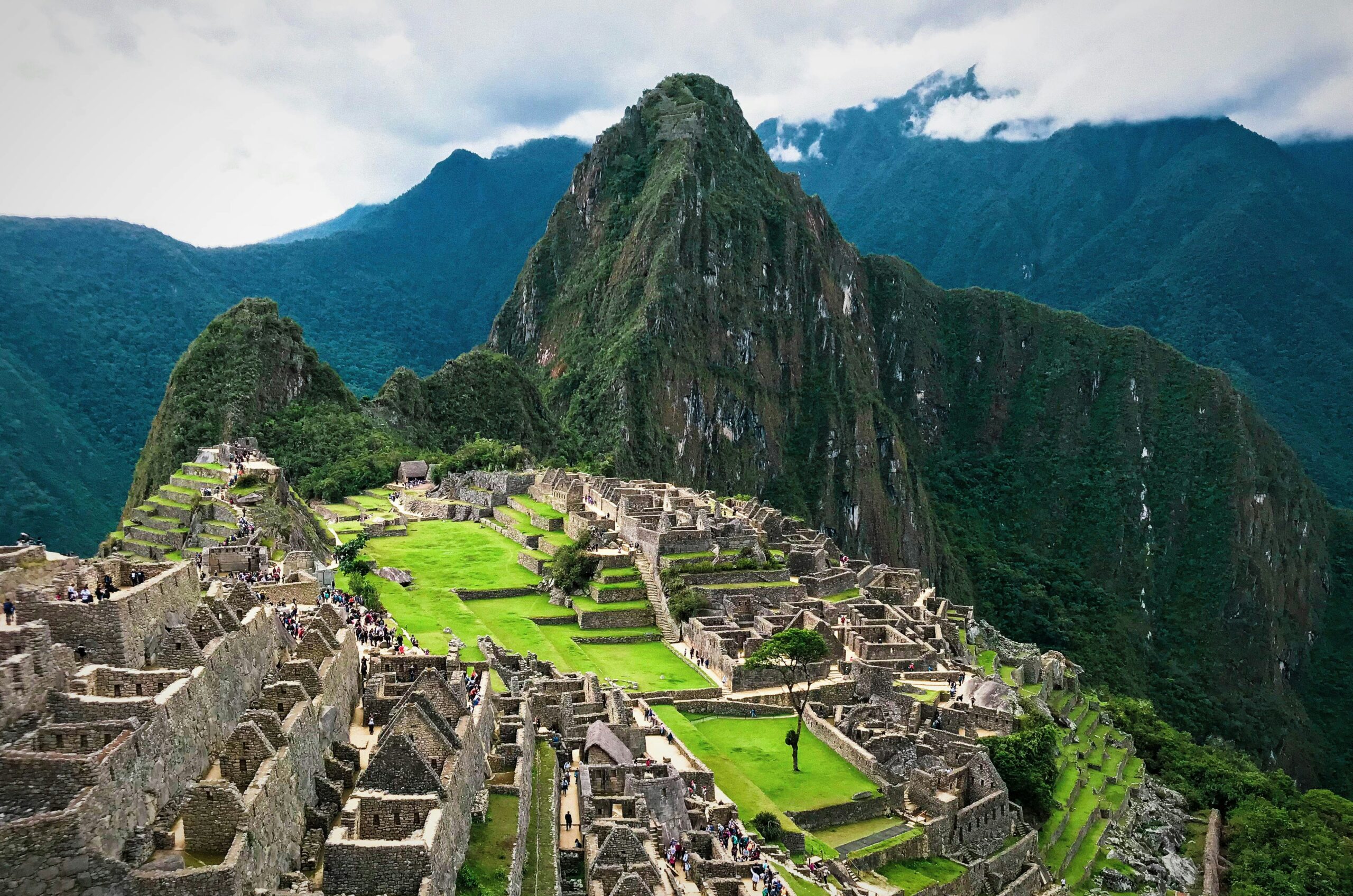
Day two is the big one, so start early. Ollantaytambo is both a living Inca town and a fortress of steep stone terraces, and it sits well below Chinchero, so the climb up the ruins will feel more manageable than it would have on day one. It is also the main railway gateway to Machu Picchu, which makes it the logical launch point for your excursion.
From Ollantaytambo, take the train to Aguas Calientes and continue by bus up to Machu Picchu. The site sits lower than Cusco, so many travelers actually feel better here than they did on arrival. Daily entry is capped: Peru's Ministry of Culture set the 2026 limit at 5,600 visitors per day during peak season from June 19 to November 2, and 4,500 per day the rest of the year, as reported by Voyagers Travel. Book your timed tickets well in advance, especially for the popular circuits.
Plan to return to the valley by evening so you are back at your base before dark rather than navigating the drive late.
Day 3: Alpaca hike and stargazing near your dome
After a demanding day two, keep the final day light and local. A morning alpaca hike is a gentle way to spend a few hours in the highlands. You walk at an easy pace through pasture and farmland, often alongside a small herd, with the mountains as a backdrop. It is as much about the quiet and the views as the distance covered.
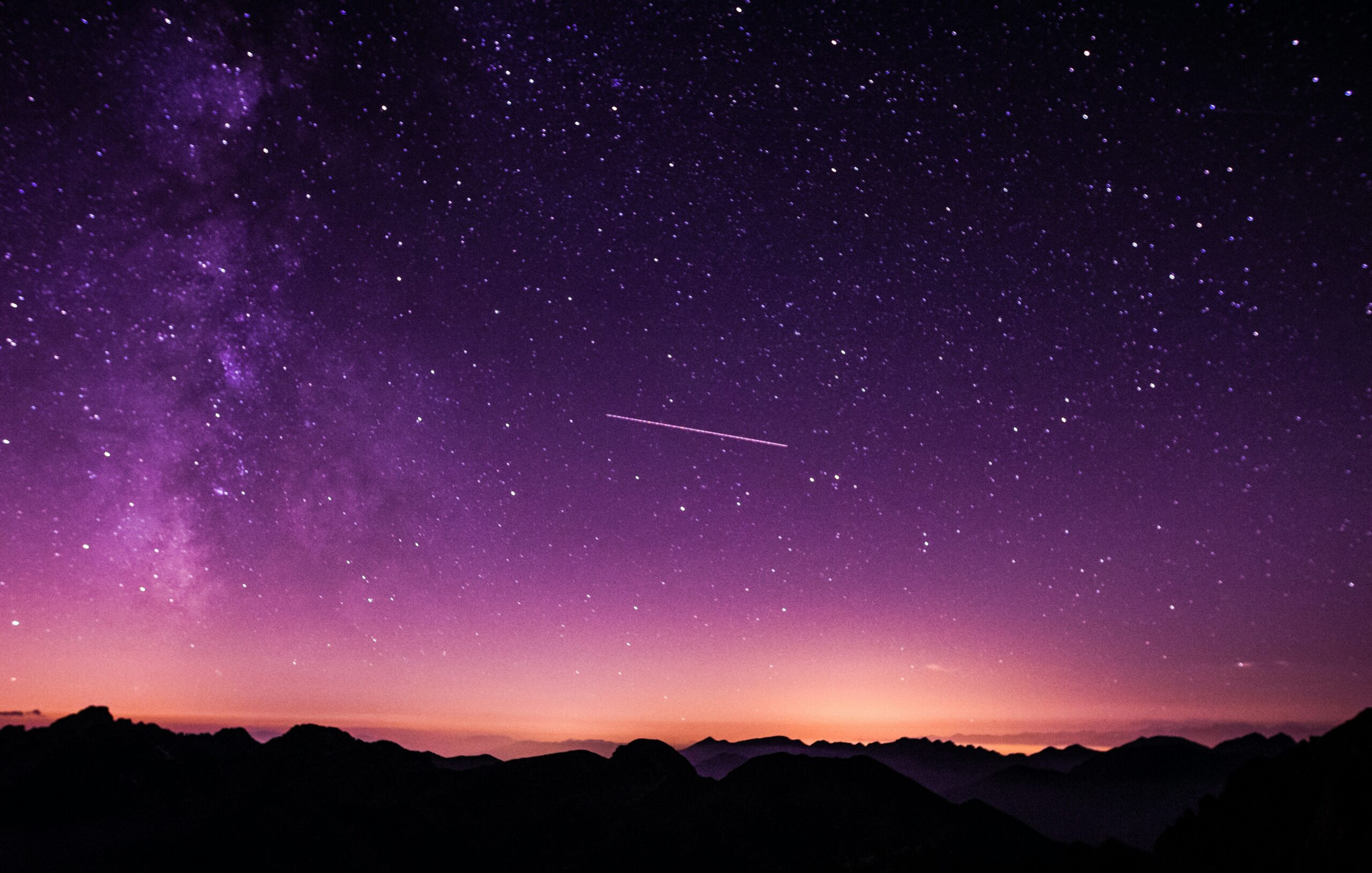
Save the evening for the sky. The dry Andean air, high altitude and distance from city lights make the valley one of the best stargazing spots in the southern hemisphere. From the right vantage point you can pick out the Southern Cross, the Magellanic Clouds and the dense core of the Milky Way. A glass dome suite at Sky Dome Peru is built for exactly this, letting you watch the sky from bed without stepping into the cold.
How to pace activities around the altitude
Altitude is the one factor that can derail an otherwise perfect trip. The valley sits high enough to matter: the U.S. Centers for Disease Control and Prevention notes that altitude illness can affect travelers who ascend above 2,500 m, which covers nearly everywhere in this itinerary. Read the CDC's high elevation travel guidance before you go.
A few practical habits make a real difference:
- Arrive a day early if you can and spend your first hours resting, not hiking.
- Drink more water than feels natural and go easy on alcohol the first two nights.
- Front-load the gentle activities. That is why this plan puts seated weaving and flat terrace walks on day one, descends to Machu Picchu on day two, and leaves the alpaca hike for day three.
- Watch for headaches, nausea or poor sleep, and slow down if they appear.
Because Machu Picchu and the valley floor sit lower than Cusco, this route naturally works with your body rather than against it.
Where to stay to minimize travel time on your Sacred Valley itinerary
Where you sleep decides how much of your three days you spend in a car. Cusco city is higher and farther from the main sites, so basing yourself there adds an hour or more of driving each way to Maras, Moray and the Ollantaytambo train. Staying in the valley itself, near Chinchero or Ollantaytambo, puts you within easy reach of every stop on this itinerary and at a lower elevation that is kinder on your first nights.
That central position is one reason Sky Dome Peru sits where it does, near Chinchero in the heart of the valley. The glass domes keep you close to the day trips while the clear night sky above becomes part of the stay itself. If you are weighing accommodation styles, our comparison of glass dome glamping versus traditional Cusco hotels lays out the trade-offs.
Start planning your three days
Pick your Machu Picchu date first, since the daily cap means that ticket anchors everything else. Once it is booked, build the two surrounding days around it using the geography above, reserve a valley base that keeps your drives short, and leave the final evening open for the stars. Do that, and three days is plenty to come away feeling like you saw the Sacred Valley properly rather than in a blur.
Frequently asked questions
Is 3 days enough for the Sacred Valley?
Three days is enough to see the headline sites without rushing. You can cover Chinchero, Maras and Moray on day one, Ollantaytambo and Machu Picchu on day two, and keep day three for lighter activities like an alpaca hike and stargazing.
Should I stay in Cusco or the Sacred Valley?
Staying in the valley near Ollantaytambo or Chinchero cuts daily travel time and helps with altitude, since the valley floor sits lower than Cusco city. It puts you closer to Maras, Moray and the Machu Picchu train line.
What is the best order to visit sites to manage altitude?
Spend your first day on gentler, shorter walks around Chinchero, Maras and Moray, then descend to Machu Picchu, which sits lower than Cusco. Save strenuous hiking for day three once your body has adjusted.
How far ahead should I book Machu Picchu tickets?
Book several weeks ahead, and more for peak season from June to early November, because daily entry is capped. Timed slots for popular circuits and Huayna Picchu sell out first.