Traditional Peruvian Dishes to Try in Cusco

Key takeaways

  • Cusco cuisine is built on Andean staples: thousands of potato varieties, large-kernel corn, and quinoa grown at high altitude.
  • Cuy (guinea pig) and alpaca are traditional Andean proteins you will find on menus across the Sacred Valley.
  • Lomo saltado and rocoto relleno are the comfort classics most visitors love on a first trip.
  • San Pedro Market in Cusco is the easiest place to taste street snacks and regional ingredients in one stop.
  • High-altitude cooking relies on boiling, stews, and earth ovens, which sets it apart from coastal ceviche culture.

The traditional Peruvian dishes worth seeking out in Cusco start with the Andean trinity of potatoes, corn, and quinoa, then build toward proteins like cuy and alpaca and comfort plates such as lomo saltado. Cusco cooks at roughly 3,400 meters, so its food leans on hearty soups, stews, and earth-oven feasts rather than the raw seafood that defines the coast.

This guide walks through what to order, where to find it, and why the high-altitude kitchen tastes different from anywhere else in the country. If you are planning meals around a stay in the Sacred Valley, it doubles as a simple eating itinerary.

Traditional Peruvian dishes built on potatoes, corn, and quinoa

Every traditional Cusco plate traces back to three crops the Andes gave the world. Potatoes are the headline act. Peru is home to more than 3,000 varieties of potatoes, a diversity that shows up on local tables as purple, yellow, pink, and almost-black tubers, each with its own texture and use. You can read the figure directly from the FAO's page on Peru's native potatoes.

Two preserved forms are worth knowing. Chuño and moraya are potatoes freeze-dried using the Andean night frost and strong daytime sun, a technique older than the Inca. They turn up in stews and soups with a chewy, earthy quality that surprises first-timers.

Corn is the second staple, and Cusco grows some of the largest kernels anywhere. Choclo, the giant white corn of the Sacred Valley, arrives boiled and served with a slab of fresh cheese as a snack called choclo con queso. Toasted corn, or cancha, sits on nearly every table like bread.

Quinoa rounds out the trio. It shows up most often as a warm, thickened soup called sopa de quinua, a filling, protein-rich bowl that also happens to be a gentle choice while you adjust to the altitude.

Where cuy and alpaca appear on local menus

Cuy, or guinea pig, is the dish visitors ask about most, and it is genuinely traditional rather than a tourist invention. Raised in Andean homes for centuries, it is served on special occasions and in restaurants as cuy al horno (oven-roasted) or cuy chactado (pressed and fried). The flavor is rich and gamey, closer to duck than chicken, and it is usually presented whole.

Alpaca is the gentler introduction to Andean meat. Lean, mild, and lower in fat than beef, it appears as grilled steaks, skewers called anticuchos, and in stews. If you have only ever seen alpacas grazing in a field, meeting one on the menu is a reminder of how fully Andean life revolves around these animals.

Both proteins reflect a kitchen that uses what the high country provides. You will find them across the Sacred Valley, from family-run spots in Chinchero to the restaurants in Cusco's historic center.

Comfort classics: lomo saltado and rocoto relleno

If you want a safe, universally loved first order, reach for the comfort classics. Lomo saltado is the national crowd-pleaser: strips of beef stir-fried with onion, tomato, and soy sauce, piled over French fries and rice. It is proof of Peru's Chinese-Peruvian heritage and the one dish almost no visitor dislikes.

Rocoto relleno comes from Arequipa but is common on Cusco menus. A rocoto pepper looks like a harmless bell pepper and carries real heat, stuffed with spiced minced meat, olives, and cheese, then baked. Order it when you want flavor with a kick.

Aji de gallina deserves a mention too: shredded chicken in a creamy, mildly spicy yellow sauce thickened with bread and walnuts. It is the plate to order when you want warmth without heat, a common preference at altitude.

Street snacks and market foods in the Sacred Valley

The fastest way to taste Cusco is to walk into a market. San Pedro Market in Cusco is the classic stop, a covered hall where juice vendors blend tropical fruit to order, cooks ladle out soups at the lunch counters, and stalls sell empanadas, tamales, and humitas (sweet or savory corn cakes steamed in husks).

A few snacks to look for as you wander:

  • Salchipapas: sliced sausage and fries, the go-to quick street bite.
  • Anticuchos: grilled skewers, traditionally beef heart, cooked over coals at dusk.
  • Choclo con queso: boiled giant corn with a wedge of fresh cheese.
  • Pan chuta: a dense, sweet bread from the town of Oropesa near Cusco.

Market stalls in Sacred Valley towns like Pisac and Chinchero sell the same ingredients the home cooks use, so a market visit pairs naturally with a morning of textile shopping or sightseeing. Stick to busy stalls with visible turnover and freshly cooked hot food, and you will eat well.

How high-altitude cuisine differs from coastal Peru

Cusco's kitchen is a mountain kitchen, and altitude shapes everything. Water boils at a lower temperature up here, so traditional cooking favors long-simmered soups, stews, and the pachamanca, an underground oven where meat, potatoes, and corn cook over fire-heated stones. The result is warming, slow food suited to cold Andean nights. Our deep dive into the Pachamanca earth-oven feast explains the ritual in full.

The coast tells a different story. Lima and the Pacific shoreline are the home of ceviche, raw fish cured in lime juice. Peru's cebiche culture is so central to national identity that it was inscribed on UNESCO's Representative List of the Intangible Cultural Heritage of Humanity on December 6, 2023. You can confirm that date on Peru's official tourism announcement. You will find ceviche in Cusco, but it is an import here, not the heart of the local table.

The practical takeaway: in Cusco, lean into the hearty Andean plates and give your body lighter, warm meals while you acclimatize. Soups and quinoa are your friends on the first day or two.

Plan your Cusco food trip

Pick three dishes to try before you arrive: one staple (sopa de quinua or choclo con queso), one Andean protein (alpaca if you want an easy start, cuy if you want the icon), and one comfort classic (lomo saltado). Build a market lunch at San Pedro into your first full day, then save a pachamanca for later in the trip once you have acclimatized.

Travelers basing themselves in the Sacred Valley near Chinchero, including guests at Sky Dome Peru, are a short drive from Cusco's markets and Pisac's food stalls, which makes it easy to turn a glamping stay into a tasting tour of the Andes.

Frequently asked questions

What is the most famous traditional Peruvian dish in Cusco?

Cuy (roasted guinea pig) is the most iconic traditional Cusco dish, but lomo saltado and rocoto relleno are the comfort classics most visitors order first.

Is it safe to eat street food in Cusco?

Yes, if you choose busy stalls with high turnover, freshly cooked hot food, and bottled or boiled water. Markets like San Pedro are a good, popular starting point.

What do people eat at high altitude in Cusco?

High-altitude Andean meals lean on potatoes, corn, quinoa, hearty soups, and slow-cooked stews rather than the raw fish ceviche common on Peru's coast.

Can vegetarians find traditional food in Cusco?

Yes. Quinoa soups, stuffed peppers, corn, boiled and freeze-dried potatoes, and stir-fried vegetable dishes give vegetarians plenty of traditional Andean options.
Rainbow Mountain Day Trip from the Sacred Valley

Key takeaways

  • Vinicunca's summit sits at 5,036 meters (16,522 feet), higher than Everest Base Camp's trailhead and well above Cusco, so acclimatization matters.
  • From the Sacred Valley the drive to the trailhead runs roughly 4 to 4.5 hours each way, which means a very early start.
  • The hike itself is short, about 3 to 4 kilometers each way, but the thin air makes it feel much harder than the distance suggests.
  • Spending two or three nights in the Sacred Valley before the trek lines up with CDC altitude guidance and lowers your risk of mountain sickness.
  • Adding the Red Valley detour gives you a quieter, equally dramatic second viewpoint for a small extra effort.

A Rainbow Mountain day trip from the Sacred Valley is a full day of early driving and high-altitude walking that ends at one of the most photographed ridgelines in the Andes. Plan on leaving before dawn, acclimatizing for a couple of days first, and treating the short hike with respect because the trail tops out at 5,036 meters. This guide covers how to reach Vinicunca from the Chinchero area, what the trek actually involves, how to handle the altitude, what to pack, and the Red Valley detour worth adding if you have the energy.

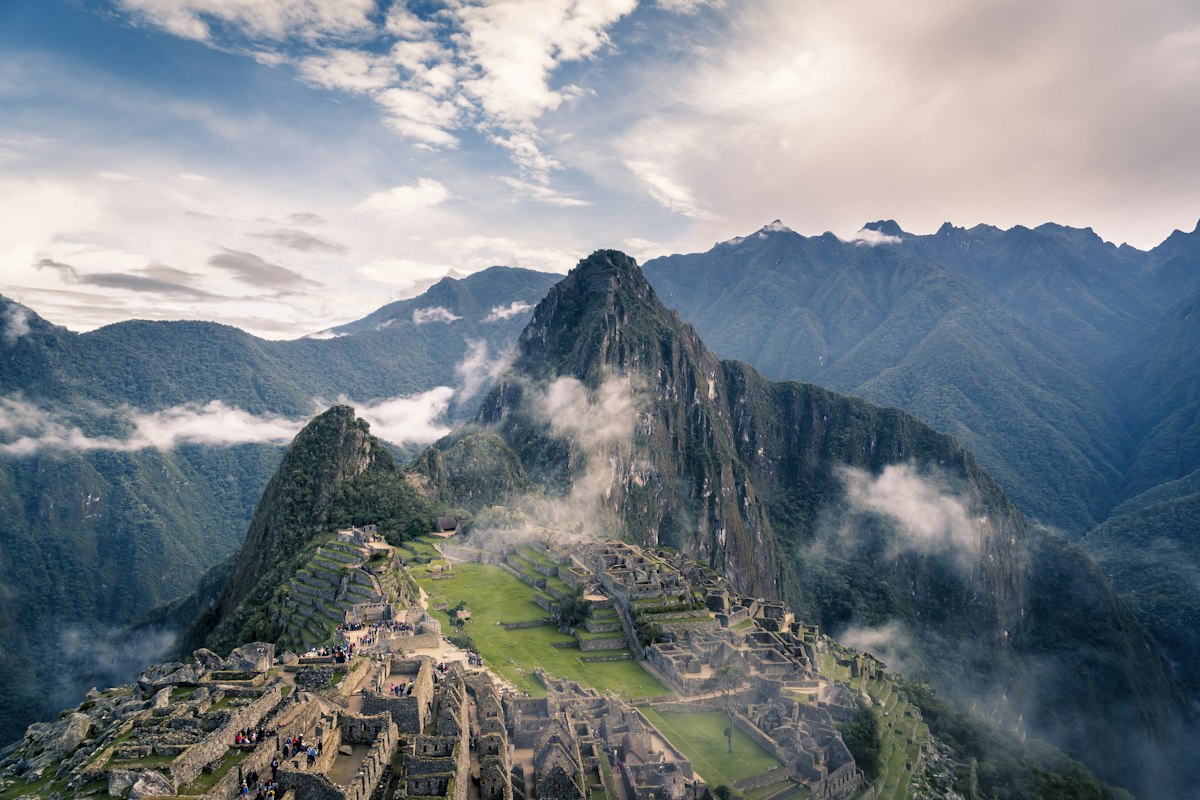
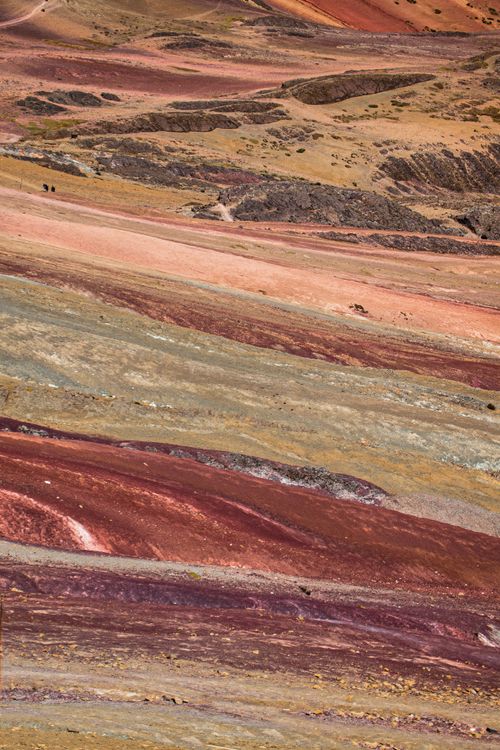
Vinicunca, the mountain's local name, draws crowds for its bands of mineral-stained rock in red, gold, and turquoise. The payoff is real, but so is the elevation. Getting the logistics right is the difference between a highlight and a miserable morning.

Planning the Rainbow Mountain Day Trip: Getting to Vinicunca from Chinchero

Most organized trips to Vinicunca leave from Cusco, which sits about 100 kilometers from the trailhead by road and takes roughly 3 to 3.5 hours to drive. Starting from the Sacred Valley around Chinchero, Urubamba, or Ollantaytambo adds distance and routing, so budget closer to 4 to 4.5 hours each way.

That math shapes your whole day. A trip from the valley typically means a pickup between 3:00 and 4:00 in the morning, a long drive over high passes, a breakfast stop in a village such as Cusipata, and arrival at the trailhead mid-morning. You then hike, take in the summit, and reverse the entire drive, usually returning after dark.

Rainbow Mountain's striped mineral bands under clear Andean skies in Cusco, Peru

Staying in the Sacred Valley gives you one quiet advantage for this trip: the valley floor sits lower than Cusco, so it is kinder on your body for sleeping, yet it is still high enough to help you acclimatize. At Sky Dome Peru, the glass dome suites near Chinchero put you within reach of an early departure while letting you rest well the night before a demanding day. If you would rather spread the region's highlights across several days, a Vinicunca day fits neatly alongside Incan sites and valley villages on a longer Sacred Valley itinerary.

What the Hike Involves and Difficulty Level

The walk to the Vinicunca viewpoint is short on paper. From the main trailhead near Quesiuno, it runs about 3 to 4 kilometers each way, with a typical total hiking time near 3 hours: around 1.5 to 2 hours up and about an hour back down.

The trail climbs steadily rather than steeply, following a wide valley path used by horses and other hikers. Elevation gain from the trailhead to the viewpoint is modest in raw numbers, roughly 400 meters. What makes it hard is the starting height. You begin walking at an altitude where the air already holds far less oxygen than most travelers are used to.

Expect to stop often. Many hikers who move easily at home find themselves pausing every few minutes near the top. Horses are available for hire along the route for anyone who needs them, though the final stretch to the viewpoint is walked on foot by everyone.

Weather adds a wildcard. Clear mornings show the colored bands at their brightest, but clouds, wind, and even snow can roll in fast. Checking Sacred Valley weather patterns month by month helps you pick a window with the best odds of dry, bright skies.

Altitude and Fitness Considerations for the Trek

Altitude is the single biggest factor in how this day goes. The Vinicunca viewpoint stands at 5,036 meters (16,522 feet), which is higher than the summit of Mont Blanc in the Alps. Cusco, by comparison, sits near 3,400 meters, and the Sacred Valley floor is lower still.

Acute mountain sickness is common whenever travelers ascend quickly. According to the CDC's guidance on high-altitude travel, about 25 percent of visitors sleeping above 2,450 meters at Colorado ski resorts develop mild symptoms, and with rapid ascent above 3,400 meters the incidence approaches 50 percent. Vinicunca sits far higher than either threshold, which is why preparation matters.

The CDC recommends spending two to three nights at 2,450 to 2,750 meters before going higher. The Sacred Valley fits neatly inside that band, so a couple of nights there is genuine acclimatization, not just a pleasant base. Cusco works too, but the valley's lower sleeping altitude is easier on many travelers.

Practical fitness advice for the trek:

  • Arrive in the region several days early and avoid scheduling Vinicunca for your first full day.
  • Hydrate heavily and go easy on alcohol the night before.
  • Walk slowly and deliberately on the trail; a steady plod beats bursts of effort.
  • Talk to a doctor before your trip about medication such as acetazolamide if you have a history of altitude trouble.
  • Turn back if you develop a severe headache, vomiting, or confusion, since these can signal serious illness.

Our deeper guide to beating altitude sickness in Cusco and the valley covers symptoms and prevention in more detail, and it is worth reading before any high-altitude excursion.

What to Wear and Pack for the Colorful Peaks

Conditions at Vinicunca swing from cold and windy at sunrise to warm and intensely sunny by late morning. Dressing in layers you can add and shed is the only sensible approach.

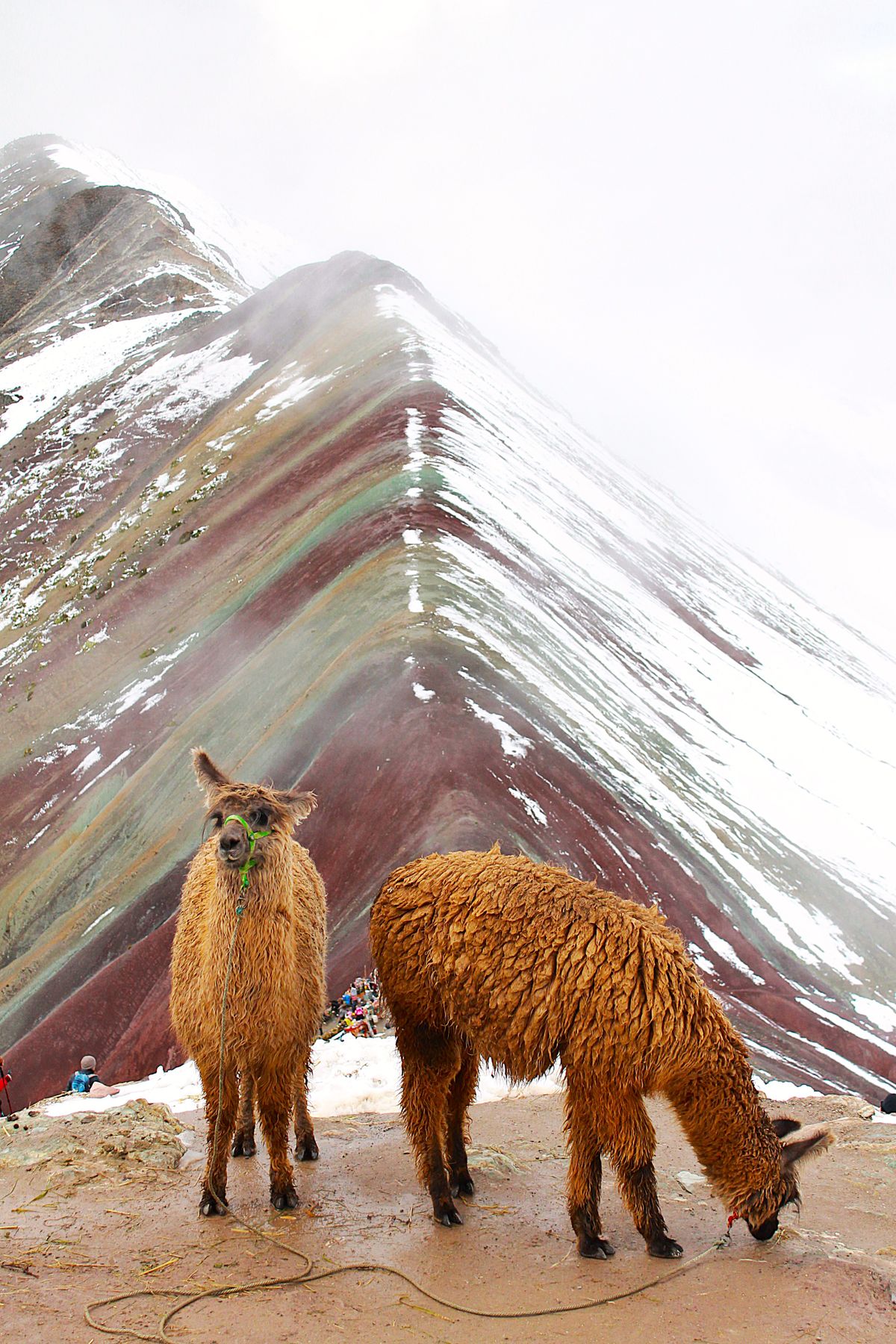
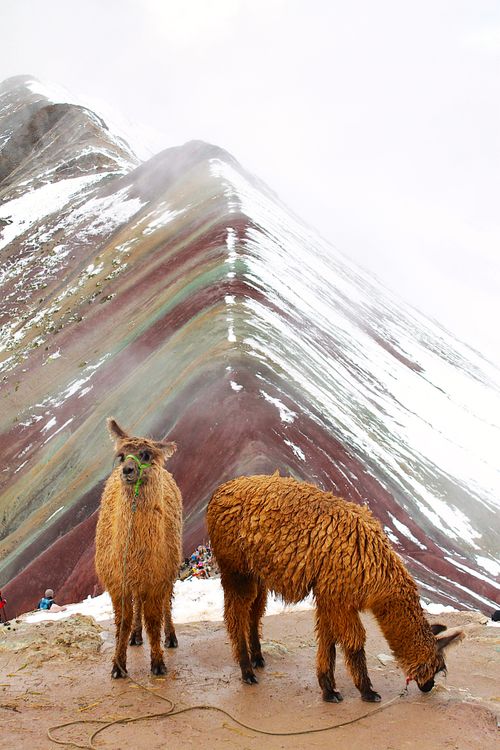
Two llamas grazing near the colorful slopes of Vinicunca Rainbow Mountain in Peru

A sensible packing list for a Rainbow Mountain day trip:

  • A warm base layer, an insulating mid-layer such as fleece, and a windproof or waterproof outer shell.
  • Hat, gloves, and a buff or scarf for the cold, exposed ridgeline.
  • Sturdy, broken-in hiking shoes or boots with good grip for loose, dusty ground.
  • High-SPF sunscreen, lip balm, and sunglasses, since UV exposure is extreme at this altitude.
  • At least 1.5 to 2 liters of water, plus snacks like nuts or chocolate for quick energy.
  • Cash in soles for the park entrance fee, restrooms, and optional horse hire.
  • A small daypack to carry layers you peel off as the day warms.

Leave heavy gear behind. Every extra kilogram is harder to carry in thin air. A lightweight daypack with the essentials above will serve you far better than an overstuffed bag on the climb.

The Alternative Red Valley Detour Worth Adding

Just over the ridge from the main Vinicunca viewpoint lies the Red Valley, a sweep of deep crimson hills stained by iron-rich soil. It is a separate short detour, usually reached by a side path near the summit, and it sees a fraction of the crowds that gather at the famous striped mountain.

The trade-off is effort and time. The detour adds extra walking at the highest, hardest part of the day, and it carries a small additional entrance fee paid in cash. For travelers who have paced themselves well and feel strong at the top, the reward is a quieter, equally cinematic landscape that many visitors never see.

If you want the Red Valley, factor it into your schedule before you leave. The long drive back to the Sacred Valley caps how much time you can linger, so decide early whether you are trading summit minutes for the extra viewpoint. Those drawn to the region's colors and crafts will notice that the mountain's palette echoes the natural dyes used in Chinchero's famous Andean textiles.

If you are serious about a Rainbow Mountain day trip, book your Sacred Valley stay for at least two nights before the hike and reserve the excursion for a day when you already feel acclimatized. Give your body the altitude head start it needs, and the mountain becomes a highlight rather than an ordeal.

Frequently asked questions

How long is the Rainbow Mountain day trip from the Sacred Valley?

Expect a full day. The drive from the Sacred Valley to the trailhead takes about 4 to 4.5 hours each way, plus roughly 3 hours of hiking and time at the summit viewpoints.

How high is Rainbow Mountain?

The Vinicunca viewpoint sits at 5,036 meters (16,522 feet) above sea level, according to Peru's official tourism records. The trailhead begins near 4,600 meters.

Do I need to be very fit to hike Vinicunca?

You do not need to be an athlete, but you do need to handle sustained walking at very high altitude. The distance is modest, yet the thin air makes steady, slow pacing essential.

Is Rainbow Mountain worth adding the Red Valley detour?

Yes, if your legs and lungs allow. The Red Valley is a short side route from the main viewpoint and rewards you with deep crimson slopes and far fewer crowds.

Why Choose Sky Dome Peru for Your Sacred Valley Stay

Key takeaways

  • Sky Dome Peru is a glass dome glamping brand near Chinchero in Cusco's Sacred Valley, built for travelers who want nature, comfort, and Incan heritage in one stay.
  • Signature experiences include guided alpaca hikes, Incan heritage tours, and clear-night stargazing from inside a transparent dome.
  • Peru welcomed 4,157,469 international visitors in 2025, a 4.1% rise over 2024 (MINCETUR, 2025), so booking your dome dates early matters in peak months.
  • The Sacred Valley sits lower than Cusco city, which makes it a gentler place to spend your first Andean nights while you acclimatize.

Sky Dome Peru is a glass dome glamping brand near Chinchero that lets you sleep under the Andean night sky without giving up a real bed, heating, or a hot shower. If you want the Sacred Valley's Incan landscape framed from inside a transparent suite, this is what the stay looks like, from the domes themselves to the alpaca hikes, heritage tours, and stargazing that come with them.

The Sacred Valley is one of Peru's most visited regions, and international arrivals are climbing again. Peru welcomed 4,157,469 international visitors in 2025, a 4.1% increase over 2024 and a recovery to 78.8% of pre-pandemic levels (MINCETUR via Andina, 2025). That rebound is good news for the valley, and it also means the quieter, well-run places book out first.

What Are the Glass Dome Suites Near Chinchero?

The suites are geodesic domes with transparent walls and ceilings, set in the hills near Chinchero so the Sacred Valley opens up around you. Each dome keeps the comfort you expect from a good hotel: a proper bed, heating for cold Andean nights, and a private bathroom. The difference is the view, which is the sky itself.

Chinchero is a traditional weaving town high above the valley floor, known for its Sunday market and Incan terraces. Staying nearby puts you between Cusco and the classic valley sites, with Ollantaytambo and the Machu Picchu train line within reach for day trips. It is a base, not a detour.

Inside, the layout is simple and warm. Expect a dressed bed, soft lighting you can dim for stargazing, and a heater that takes the edge off the cold once the sun drops behind the mountains. A private bathroom with hot water sits within the dome or just beside it, depending on the suite. The point is that nothing between you and the sky feels like camping.

The domes are designed for the landscape rather than dropped onto it. Transparent panels pull the mountains and the stars inside, while insulation and heating handle the temperature swings that come with altitude. For a fuller picture of how this style of stay works, our beginner's guide to glamping covers the basics for first-timers.

What Experiences Does Sky Dome Peru Offer?

Three signature experiences anchor a stay: guided alpaca hikes, Incan heritage tours, and stargazing from the domes. Each one is built around the location rather than bolted on, so a single stay can move from a morning walk with alpacas to an afternoon at an Incan site to a clear night under the Milky Way.

Alpaca Hikes in the Andean Highlands

Alpaca hikes take you into the highland pastures with the animals that have shaped Andean life for thousands of years. The pace is gentle, which suits the altitude, and the guides explain how alpacas differ from their larger llama cousins. Learning to tell the two apart is part of the fun.

The hikes double as a soft introduction to the terrain. Walking slowly at altitude helps your body adjust, and the scenery does the rest.

Incan Heritage Tours

Heritage tours connect the stay to the wider Sacred Valley, from Chinchero's terraces to the larger sites the region is known for. The valley sits on the route between Cusco and Machu Picchu, so the history is dense and close at hand. Guides focus on context, not just dates, so the ruins read as a living landscape rather than a checklist.

Timing can add to the experience. If your trip lines up with a major Andean festival such as Inti Raymi, the valley takes on a different energy, so it is worth checking the festival calendar as you plan your dates.

Stargazing From Your Dome

Stargazing is the reason many guests book in the first place. The high Andes near Cusco sit at altitude with thin, dry air and little light pollution, which makes for exceptionally clear nights during the dry season. From inside a transparent dome, you watch the southern sky without leaving your bed.

The southern hemisphere offers constellations that northern travelers rarely see, from the Southern Cross to the bright core of the Milky Way. It is worth reading up on what to look for before your first clear night.

How Does Sky Dome Peru Blend Luxury With Andean Culture?

The brand pairs modern comfort with genuine local culture rather than treating them as a trade-off. The glamping market has grown precisely because travelers want nature access without roughing it: the global glamping market was valued at USD 3.8 billion in 2025 and is forecast to grow at a 9.5% CAGR through 2033 (Grand View Research, 2025). Sky Dome Peru sits in that demand, with an Andean twist.

Comfort here means heated domes, real beds, and private bathrooms. Culture means the setting: a working weaving town next door, Incan sites within reach, and food and guiding rooted in the region. The two are meant to sit together, so you can spend a day immersed in local life and still sleep warm under the stars.

Sustainability shapes how the stay operates in a fragile high-altitude environment. Low-impact travel matters here, where thin soils, scarce water, and traditional communities can be strained by careless tourism.

What Do Guests Value About Staying Here?

Guests tend to single out the same three things: the night sky, the quiet, and the sense of being inside the landscape rather than looking at it through a window. The transparent domes turn an ordinary night into the main event, and the rural setting near Chinchero keeps noise and crowds at a distance.

Families and couples use the stay differently, and both fit. Couples lean into the stargazing and the privacy, while families build days around alpaca hikes and gentle exploration. The same base near Chinchero serves very different trips, from a quiet honeymoon to a multi-generation family week.

How Do You Plan and Book Your Dome Experience?

Start with your dates, your altitude plan, and your packing list, then book early for peak months. The Sacred Valley floor sits lower than Cusco city, so many travelers find their first Andean nights easier in the valley than in town. Resting here before higher day trips is a sensible way to ease into the elevation.

Getting there is straightforward. Most guests fly into Cusco, then transfer down to the valley, which takes roughly an hour and a half by road. Because nights are cold at altitude, pack warm layers, a hat, and gloves alongside your lighter daytime clothes.

A few practical points make the trip smoother. Give yourself at least one easy day before any strenuous hike or high-altitude excursion, drink more water than feels necessary, and go light on alcohol for the first night or two. The valley's lower elevation helps, but your body still needs time.

Timing matters for both weather and demand. The dry season from roughly May through October brings the clearest skies for stargazing, and it is also the busiest window. The wetter months from November through March trade some clear nights for green landscapes and thinner crowds. With Peru drawing more than four million international visitors a year again, the quieter, limited-capacity stays fill first. Match your trip to the weather you want, then lock in your dome dates as early as you can.

If you take one step after reading this, make it the booking calendar: pick your dry-season dates, confirm your Cusco arrival, and reserve your dome before your preferred nights are gone.

Frequently asked questions

Where is Sky Dome Peru located?

Sky Dome Peru sits in the hills near Chinchero in Cusco's Sacred Valley, within easy reach of Cusco city, Ollantaytambo, and the train line toward Machu Picchu. The setting is rural and quiet, with open Andean views.

What makes Sky Dome Peru different from a hotel?

The suites are transparent geodesic domes, so you sleep under the Andean sky with real beds, heating, and private bathrooms. You get hotel-level comfort with direct contact with the landscape and stars.

Is the Sacred Valley a good place to adjust to altitude?

Yes. The Sacred Valley floor sits lower than Cusco city, so many travelers find their first nights easier here. Rest, water, and light activity help your body adjust before higher-altitude day trips.

When is the best time to visit for stargazing?

The dry season, roughly May through October, brings the clearest skies and the best odds of a bright Milky Way. Nights are cold at altitude, so the domes are heated and stocked with warm bedding.

How far in advance should I book?

Book as early as you can for peak months. Peru drew over four million international visitors in 2025 (MINCETUR, 2025), and dome availability is limited, so dates around major festivals fill quickly.

Andean Festivals and Inti Raymi Dates 2026

Key takeaways

  • Inti Raymi 2026 takes place on Wednesday, June 24, with ceremonies at Qoricancha, the Plaza de Armas, and Sacsayhuaman in Cusco.
  • June is festival season across the region, with Corpus Christi and the Qoyllur Rit'i pilgrimage both preceding Inti Raymi.
  • Grandstand seats for the Sacsayhuaman ceremony sell out well before the date, so book early if you want a guaranteed view.
  • Chinchero and the Sacred Valley make a quieter base than Cusco city during the crowded festival week.
  • July keeps the momentum going with the Virgen del Carmen festival in Paucartambo on July 16.

Inti Raymi 2026 takes place on Wednesday, June 24, in Cusco, and it is the headline event of a month packed with Andean celebrations. If you are planning a trip around the Festival of the Sun, build your dates around that Wednesday and leave room for the smaller festivals that lead up to it.

June is the busiest and most vivid stretch of the Cusco calendar. The city and the surrounding Sacred Valley fill with processions, music, and ceremony, and the weather is dry and clear. Below is what each celebration means, when it happens, and how to time a stay so you catch the color without fighting the worst of the crowds.

The Meaning of Inti Raymi, the Festival of the Sun

Inti Raymi means Festival of the Sun in Quechua. "Inti" is the sun, the most important deity in the Inca world, and "Raymi" is a festival or celebration. The event honors the sun at the June solstice, the shortest day of the year in the Southern Hemisphere, when the Inca prayed for the sun's return and a strong harvest to follow.

The ceremony dates to the reign of the emperor Pachacutec in the fifteenth century. Spanish colonial authorities banned it in the 1570s as part of the suppression of Inca religion, and it disappeared as a public event for centuries. A group of Cusco cultural figures revived it in 1944, rebuilding the ceremony from historical chronicles and staging it at the Sacsayhuaman fortress above the city. You can read the broader history on the Wikipedia entry for Inti Raymi.

Today the festival is a large theatrical reenactment performed by hundreds of actors, dancers, and musicians in costume. It is both a civic celebration and a point of pride for the region, drawing travelers from around the world alongside Peruvians who treat June 24 as a regional holiday.

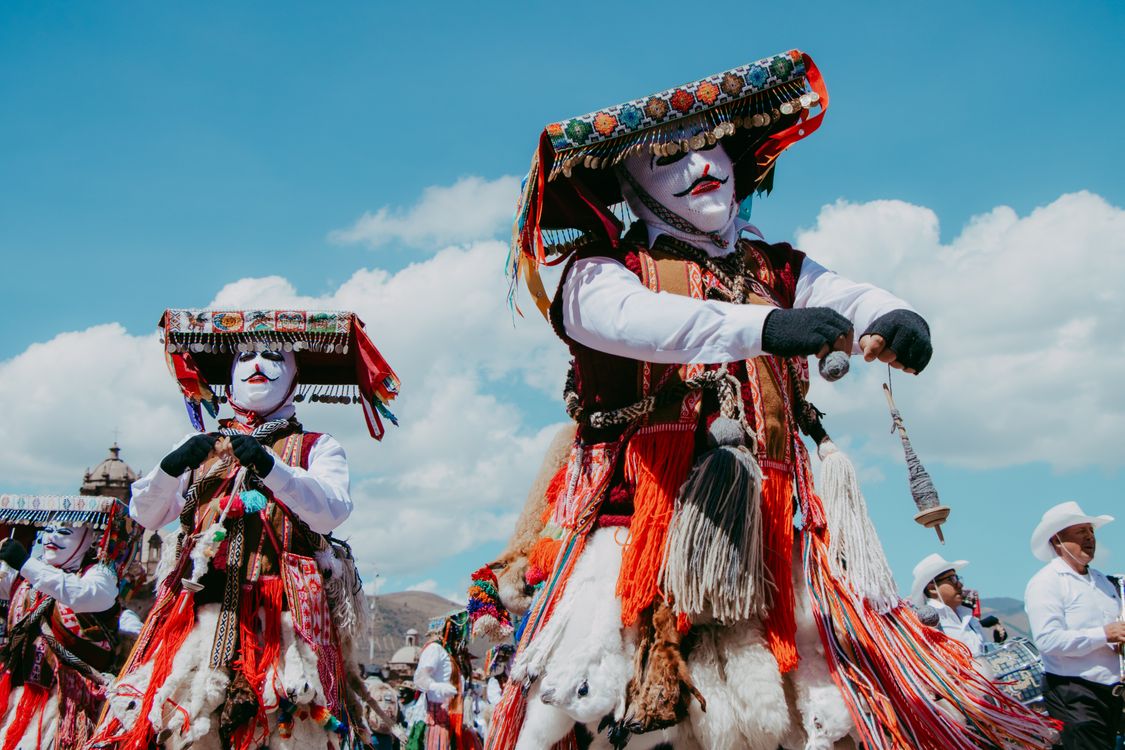
Dancers in colorful traditional costumes and ornate masks perform at a festival in Cusco, Peru

Key Festival Dates to Plan Your 2026 Trip Around

The Inti Raymi 2026 ceremony unfolds across three sites in Cusco over a single day. Each has a different feel, and together they form a full day of pageantry.

  • Qoricancha (Temple of the Sun), morning. The day opens here with an invocation to the sun. Qoricancha was the most sacred temple of the Inca empire, and the ceremony begins where sun worship once centered.
  • Plaza de Armas, midday. The procession moves to the main square for a ceremony in front of the cathedral and the assembled crowds.
  • Sacsayhuaman fortress, early afternoon. The main event takes place on the esplanade below the massive stone walls above the city. This is the ticketed portion, with grandstand seating, and the most elaborate staging.

The Qoricancha and Plaza de Armas portions are free and open to anyone willing to stake out a spot. The Sacsayhuaman ceremony requires a paid seat in one of the grandstand zones, and those seats are limited. They typically sell out well before the date, so if a guaranteed view matters to you, arrange it weeks ahead rather than hoping for day-of availability.

June 24 is observed as a holiday across the Cusco region, so expect closures, full hotels, and higher prices through the surrounding days.

Smaller Local Celebrations in the Sacred Valley

Inti Raymi is the finale of a longer season, and the lead-up is arguably more intimate. If your dates are flexible, the weeks before June 24 reward early arrivals.

Qoyllur Rit'i comes first, usually in late May or early June, timed to the full moon before Corpus Christi. Pilgrims climb to a sanctuary near the Ausangate glacier at roughly 4,700 meters for several days of ritual, dance, and all-night ceremony. It is one of the largest Indigenous pilgrimages in the Americas and is recognized by UNESCO as Intangible Cultural Heritage of Humanity. The altitude and remoteness make it a demanding trip, but it is unmatched for authenticity.

Corpus Christi fills the first week of June in Cusco, when statues of saints and virgins are carried from neighborhood churches into the cathedral on the Plaza de Armas. The processions are a blend of Catholic and Andean tradition, and the square becomes a sea of color and incense.

Around Chinchero and the wider Sacred Valley, towns hold their own patron saint festivals through the season, with local music, dancing, and market days. These village celebrations rarely appear in guidebooks, which is part of their appeal. A stay near Chinchero puts you within reach of them, and if you want to understand the living craft tradition behind the festival dress, our guide to shopping for authentic Andean textiles in Chinchero is a useful companion.

Looking past June, the Virgen del Carmen festival in Paucartambo runs around July 16, with masked dance troupes and days of street celebration in a town a few hours from Cusco.

What to Expect: Music, Color, and Ceremony

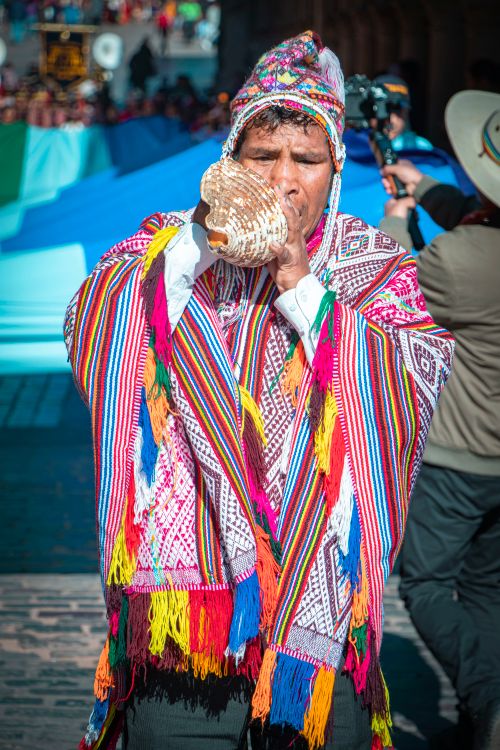
Andean festivals engage every sense at once. Brass and wind instruments, drums, and panpipes carry through the streets, and the costumes are a riot of woven reds, golds, and greens, often topped with elaborate masks. Dance troupes move in tight formation, each representing a region or a figure from folklore or sacred story.

A performer in a vibrant traditional Andean festival costume during the Cusco celebrations

At Inti Raymi itself, the staging is formal and scripted. An actor playing the Sapa Inca is carried in on a litter, offerings are made to the sun, and Quechua is spoken throughout. The scale is impressive, with large crowds filling the Sacsayhuaman esplanade and the hills around it.

A few practical notes will make the days more comfortable. June is the dry season, so days are sunny and bright while nights turn cold, and the high-altitude sun is strong even when the air feels cool. Layers, a hat, sunscreen, and water go a long way. Because many ceremonies sit at altitude, give yourself a couple of days to acclimatize in the region before a big festival day rather than arriving the night before.

Timing a Glamping Stay With Festival Season

Festival week is the most crowded time of year in Cusco city, and central hotels book out early. Basing yourself in the Sacred Valley near Chinchero is a calmer alternative. You stay close enough to reach the Cusco ceremonies, roughly 30 kilometers away, while returning each evening to quiet, open country rather than a packed city center.

This is where a glamping stay suits the season. At Sky Dome Peru, the glass dome suites near Chinchero sit under some of the clearest skies in the region, so after a long festival day you can watch the stars rather than the street. The dry June weather that makes the festivals so vivid also makes for excellent night skies, and the valley setting keeps you removed from the late-night noise of the city.

To build the rest of your trip around the festival, our perfect 3-day Sacred Valley itinerary pairs well with a June visit, slotting ruins, markets, and rest days around whichever ceremonies you choose to attend.

The single most important step is to lock your dates now. Confirm June 24, 2026 for Inti Raymi, decide whether you want a paid Sacsayhuaman seat, and reserve both your grandstand tickets and your Sacred Valley stay early, because the best of each sells out long before the sun rises on festival morning.

Frequently asked questions

When is Inti Raymi 2026?

Inti Raymi 2026 is on June 24, which falls on a Wednesday. The date is fixed every year to coincide with the June solstice, the shortest day in the Southern Hemisphere.

Where does Inti Raymi take place in Cusco?

The festival moves through three sites in one day: Qoricancha in the morning, the Plaza de Armas around midday, and the main ceremony at the Sacsayhuaman fortress in the early afternoon.

Do I need a ticket to see Inti Raymi?

The Qoricancha and Plaza de Armas portions are open to the public, but the main Sacsayhuaman ceremony requires a paid grandstand seat, which sells out weeks ahead.

What other festivals happen in Cusco in June?

June brings Corpus Christi in the first week and the high-altitude Qoyllur Rit'i pilgrimage, both leading up to Inti Raymi on June 24.

Is the Sacred Valley a good base for festival season?

Yes. Staying near Chinchero keeps you close to Cusco for the ceremonies while avoiding the busiest crowds and noise of the city center at night.

Alpaca vs Llama: How to Tell the Difference

Key takeaways

  • The fastest field test is the ears: llamas have long, curved banana-shaped ears while alpacas have short, straight spear-shaped ears.
  • Llamas are noticeably larger, standing 102 to 127 cm at the withers versus 76 to 97 cm for alpacas, according to the MSD Veterinary Manual.
  • Llamas were bred as pack animals and alpacas were bred for fine fleece, which still shapes how they look and behave today.
  • Peru holds about 87 percent of the world's alpaca population, so the Sacred Valley is one of the best places on earth to see them.
  • Alpaca fiber comes in roughly 22 natural colors and is prized for being soft, warm and lanolin-free.

Look at the ears first: llamas have long, curved ears shaped like bananas, while alpacas have short, straight ears that point up like little spears. Size settles the rest, because a llama stands a head taller than an alpaca and carries a leaner, longer face, whereas an alpaca looks round, woolly and smaller all over. Those two clues answer the alpaca vs llama question in seconds, and the rest of this guide explains the differences in body, history and fleece so you can spot each animal with confidence on your next trip to the Peruvian Andes.

Both animals belong to the group known as Andean camelids, a family that also includes their wild cousins, the vicuña and the guanaco. If you are planning a stay in Cusco's Sacred Valley, you will almost certainly meet both species, so knowing the difference makes the encounter far more rewarding.

Alpaca vs Llama: Key Physical Differences

The single most reliable field test is the ears. Llama ears are long and curve inward at the tips, a shape people compare to a banana. Alpaca ears are short, straight and spear-like. Once you train your eye on the ears, you rarely confuse the two again.

Size is the next giveaway. According to the MSD Veterinary Manual, llamas stand 102 to 127 cm at the withers and weigh 120 to 200 kg, while alpacas stand just 76 to 97 cm and weigh 60 to 80 kg. The Smithsonian's National Zoo puts the alpaca at roughly 32 to 39 inches at the shoulder and 100 to 200 pounds, which lines up closely with those figures. In practice, a llama can look you almost in the eye, while an alpaca comes up to about your waist or chest.

The face and fleece tell you more. Alpacas have blunt, fluffy faces with fiber growing right up around the cheeks and forehead, giving them that soft teddy-bear look. Llamas have longer, narrower faces that stay cleaner of wool. Alpaca fleece is dense and fine across the whole body, because these animals were bred for it. Llama coats are coarser on the outside, built for weather protection rather than spinning.

Here is a quick reference you can use on the trail:

  • Ears: llama long and banana-shaped, alpaca short and straight
  • Height at withers: llama 102 to 127 cm, alpaca 76 to 97 cm
  • Weight: llama 120 to 200 kg, alpaca 60 to 80 kg
  • Face: llama long and lean, alpaca round and woolly
  • Fleece: llama coarse outer coat, alpaca fine and uniform

Llamas grazing at Rainbow Mountain near Cusco, Peru

How Each Animal Was Used Across Andean History

The reason they look so different is that Andean peoples bred them for different jobs thousands of years ago. The Smithsonian's National Zoo notes that alpacas were domesticated more than 6,000 years ago, and research from the University of Michigan's Animal Diversity Web traces the alpaca back to the wild vicuña and the llama back to the wild guanaco.

Llamas became the pack animals of the Andes. Strong and sure-footed at high altitude, they carried trade goods, salt, maize and supplies along the mountain roads that tied the Inca empire together. A healthy llama can shoulder a meaningful load across steep terrain where carts and wheels were useless, which made them essential to Andean economies long before any European arrived.

Alpacas took a different path. They were bred almost entirely for their fleece, which was spun into fine cloth reserved for nobility and used in offerings. That selective breeding over millennia is exactly why the modern alpaca is smaller, softer and less interested in hauling cargo than its llama relative. Both species also provided meat, hides and dung for fuel, so they anchored daily life far beyond their most famous roles.

You can still see this living heritage in the weaving communities around Chinchero, where families spin and dye alpaca yarn using methods passed down for generations. Our guide to shopping for authentic Andean textiles in Chinchero walks through how to recognize genuine handwoven pieces.

Where to Meet Alpacas and Llamas in the Sacred Valley

Peru is the heartland of these animals. Animal Diversity Web, published by the University of Michigan Museum of Zoology, reports that Peru holds about 87 percent of the world's alpaca population. That concentration means the Cusco region and the Sacred Valley give you some of the best wild-feeling encounters anywhere.

Herds graze the high pastures above the valley floor, especially on the plateaus near Chinchero, where the open puna grassland suits them. You will also meet both species at textile cooperatives, archaeological sites, and smallholdings along the main valley road. Llamas in particular are a common sight at ruins, where they keep the grass trimmed and pose patiently for photographers.

Sky Dome Peru sits in this landscape near Chinchero, so the camelids are practically neighbors. Guests often spot grazing herds on the surrounding hillsides before heading out to meet them on foot. The Sacred Valley also rewards travelers who come for its wider ecology, and our overview of the birds and wildlife of the Sacred Valley covers what else to watch for while you are here.

Why Alpaca Fiber Is So Prized Worldwide

Alpaca fleece has a reputation that reaches far beyond the Andes, and the reasons are practical. The fiber is fine, soft and warm, and because it carries no lanolin, it tends to be gentle on skin that reacts to sheep's wool. The Smithsonian's National Zoo notes that alpaca fleece occurs in roughly 22 natural colors, which lets weavers create richly varied cloth without any dye at all.

Supply keeps the material special. Each alpaca produces only a modest shearing each year, so fine fleece stays relatively scarce even where the animals are plentiful. The finest grades, often labeled baby alpaca or royal alpaca, come from the softest, lowest-micron fiber, and these command the highest prices in the global textile market.

For travelers, the appeal is simple. A scarf or blanket bought from a Chinchero weaver is warm, light and made from an animal you may have met that same morning. Just be aware that genuine handspun alpaca costs more than the acrylic blends sold to tourists, and the quality difference is immediately obvious once you handle both.

Meeting the Herds on a Guided Andean Hike

The best way to tell alpacas and llamas apart is to stand beside them. A guided Andean hike from the Sacred Valley takes you onto the high pastures where herds graze, and a local guide can point out the ear shapes, size gaps and fleece textures in real time, which fixes the differences in your memory far better than any photo.

These walks usually move at a gentle pace to account for the altitude, with stops to meet the animals and learn how herding families manage them. Because the trails sit above 3,000 meters, give yourself a day or two to adjust first; our guide to beating altitude sickness in Cusco and the valley explains how to acclimatize so the hike stays comfortable.

If you are deciding when to come, aim for the drier months when the trails are firm and the skies are clear for both hiking and the valley's famous stargazing. Book a guided hike with a herding community or through your glamping host, bring layers and a camera, and let your guide show you the ears first. From there, the rest of the alpaca vs llama puzzle falls into place on its own.

Frequently asked questions

What is the easiest way to tell an alpaca from a llama?

Look at the ears and size. Llamas are larger with long, curved banana-shaped ears, while alpacas are smaller with short, straight ears and a fluffier face.

Are alpacas and llamas the same animal?

No. They are separate but related domesticated species within the Andean camelid family. Alpacas descend from the wild vicuña and llamas descend from the wild guanaco.

Can you ride a llama or an alpaca?

Neither is meant for riding. Llamas were bred to carry cargo loads on their backs, not people, and alpacas are too small and were bred for fleece, not work.

Where can I see alpacas and llamas in Peru?

The Cusco region and the Sacred Valley around Chinchero are ideal. You will find herds on highland pastures, at textile communities, and along guided Andean hikes.

Why is alpaca wool so expensive?

Alpaca fiber is fine, warm, hypoallergenic and lanolin-free, and each animal yields only a limited amount per year, which keeps quality high and supply modest.

Sustainable Eco Tourism in Cusco’s Sacred Valley

Key takeaways

  • Eco tourism in Cusco means choosing low-impact lodging, booking local guides, and following the access rules that protect sites like Machu Picchu.
  • Peru caps Machu Picchu at 5,600 daily visitors in peak season and 4,500 in low season, with the Inca Trail limited to 500 hikers a day.
  • Glass dome glamping reduces construction footprint by sitting lightly on the land, while large windows cut the need for daytime lighting.
  • The clearest way to give back is to spend directly with Quechua weavers, farmers, and family-run kitchens rather than through middlemen.
  • Small choices add up: refillable bottles, booking community-run experiences, and staying longer in fewer places all lower your impact.

Eco tourism in Cusco means traveling through the Sacred Valley in a way that protects its landscapes and puts money directly into Andean hands. You do that by choosing low-impact lodging, hiring local Quechua guides, buying crafts from the people who make them, and respecting the rules that keep fragile sites like Machu Picchu standing. This guide walks through what responsible travel looks like in the Andes and the specific choices that make a real difference.

The Sacred Valley sits at high altitude between Cusco and Machu Picchu, threaded by the Urubamba River and ringed by terraced hillsides the Inca farmed centuries ago. It is beautiful, and it is also under pressure. The same qualities that draw travelers also strain water, trails, and village life when visitor numbers climb too fast. Sustainable travel in the Sacred Valley is about enjoying the place without using it up.

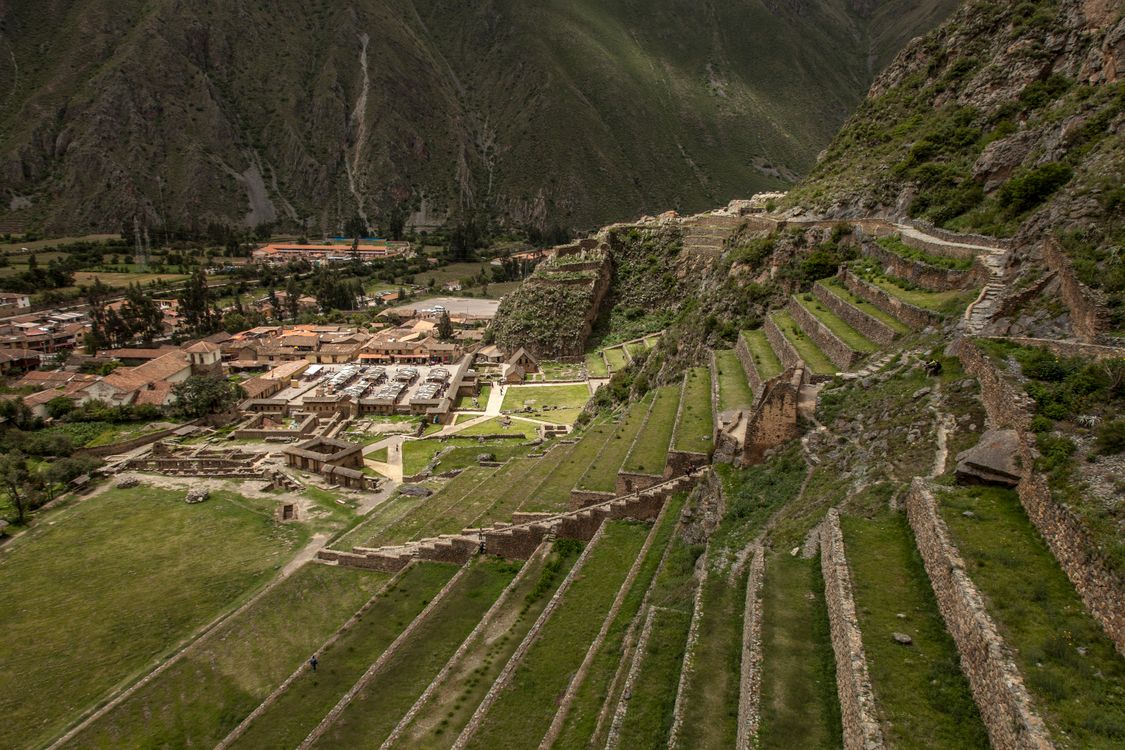
Ancient Inca terraces cascading down green hillsides in Peru's Sacred Valley near Ollantaytambo

What Eco Tourism in Cusco Means in the Andes

Responsible travel in the Andes rests on a simple idea: you are a guest in a living cultural landscape. Quechua communities still farm these terraces, herd alpacas on the high slopes, and weave textiles using techniques passed down for generations. Your presence should support that way of life rather than disrupt it.

That starts with pacing yourself. Altitude here runs from roughly 2,800 to 3,800 meters, so the slow, low-impact approach that protects the environment also protects your body. It means walking instead of taking a private car for short trips, carrying out what you carry in, and keeping noise and crowds down at quiet village sites.

Demand for this kind of travel is real and growing. The global ecotourism market reached an estimated $279.41 billion in 2025, a 13.1 percent increase from $246.99 billion the year before, according to research compiled by Radical Storage. Travelers are voting with their wallets for places that take conservation seriously, and the Sacred Valley has the community infrastructure to meet them.

Low-Impact Lodging and How Eco Domes Reduce Footprint

Where you sleep shapes a large part of your footprint. Big hotels need deep foundations, heavy construction, constant lighting, and a lot of water for laundry and landscaping. Smaller, lighter accommodation treads more gently on the land.

Glass dome glamping is one of the clearest examples. A geodesic dome rests on a light platform rather than a large poured footing, so building it disturbs far less ground than a conventional structure. The transparent walls do double duty: they let in daylight, which cuts the need for electric lighting during the day, and they frame the mountains and night sky without anyone having to clear or pave the view. This is the model Sky Dome Peru uses for its suites near Chinchero, placing comfortable rooms in the landscape without permanently altering it.

Low-impact lodging also tends to be smaller in scale, which spreads visitors out instead of concentrating them. A handful of domes on a hillside puts less strain on local water and roads than a large resort. When you compare options, look for places that source food locally, manage waste responsibly, limit their room count, and employ people from nearby villages.

Supporting Local Communities and Artisans

The money you spend can either flow back out to foreign operators or stay in the valley. Making it stay is the heart of sustainable travel.

The most direct route is to buy from makers themselves. Chinchero is the living capital of Andean weaving, where cooperatives of Quechua women spin, dye, and weave textiles using natural materials and ancestral patterns. Buying a piece there, rather than from a city gift shop, means the weaver keeps the full value of her work. Our guide to shopping for authentic Andean textiles in Chinchero explains how to recognize genuine handwoven cloth and pay a fair price.

Beyond textiles, you can:

  • Hire local Quechua guides instead of outside tour companies for hikes and site visits.
  • Eat at family-run kitchens and try a traditional pachamanca, the Andean earth-oven feast, cooked by the household that hosts it.
  • Book community-run experiences such as alpaca walks, farming days, or weaving demonstrations, where the village sets the terms and keeps the income.
  • Stay longer in fewer places, which builds real relationships and spreads your spending across local businesses.

Consumer behavior backs up the value of this. Survey after survey finds that a majority of travelers are willing to pay a modest premium for sustainable products and are more likely to choose a destination that promotes responsible practices. Paying a little more to the right people is something most travelers already want to do.

Respecting Sacred Sites and Natural Landscapes

The Sacred Valley earned its name. Sites like Ollantaytambo, Pisac, and Machu Picchu are not just ruins but places of continuing cultural and spiritual meaning. Treating them with care is part of the deal.

Peru has put firm limits in place to protect its most famous site. Machu Picchu allows up to 5,600 visitors per day during peak season, between June and mid-October, and 4,500 per day in the low season, while the classic Inca Trail is capped at 500 hikers a day, as detailed in the University of Miami's Inter-American Law Review. These caps exist to stop crowds from wearing the site down. For the traveler, that means booking tickets and trail permits well in advance and planning around a fixed entry time.

Respecting the landscape is just as important as respecting the monuments. Stay on marked trails so you do not erode terraces or trample high-altitude plants. Give wildlife space; the valley is home to Andean birds and small mammals that are easily disturbed. Carry a refillable water bottle instead of buying single-use plastic, and pack out any trash, since mountain villages often lack the systems to handle tourist waste.

Simple Choices Travelers Can Make to Give Back

You do not need to overhaul your trip to travel responsibly. A handful of practical choices does most of the work:

  • Choose light lodging. Pick small, locally staffed places such as eco domes or family guesthouses over large resorts.
  • Spend locally and directly. Buy crafts from artisans, eat at local kitchens, and book guides and experiences run by the community.
  • Follow the rules. Book Machu Picchu and Inca Trail permits early, keep to trails, and honor visitor limits and site etiquette.
  • Cut your waste. Carry a refillable bottle, refuse single-use plastics, and take your trash with you.
  • Slow down. Stay longer in fewer places. Less transport between destinations lowers emissions, and a longer stay sends more money into the local economy.
  • Offset the long haul. International flights are the biggest part of most travelers' footprint, so consider a reputable carbon offset for the trip.

None of these choices asks you to sacrifice a good experience. Staying in a glass dome, eating a pachamanca cooked in the ground, and buying cloth straight from the loom are among the best things you can do in the valley, and they happen to be the sustainable ones too.

If you are planning a trip, start by booking a stay that keeps its footprint small and its staff local, then build your days around community-run experiences in Chinchero and the surrounding villages. That single decision, made before you ever arrive, sets the tone for a trip that gives back as much as it takes.

Frequently asked questions

What does eco tourism in Cusco actually involve?

It means traveling in a way that limits environmental harm and sends money to local people. In practice that is choosing low-impact lodging, hiring Quechua guides, buying directly from artisans, and respecting visitor limits at protected sites.

Is the Sacred Valley a good place for sustainable travel?

Yes. The Sacred Valley has a strong network of community tourism projects, weaving cooperatives, and eco-focused lodges, so it is straightforward to spend your money where it supports local families and conservation.

Are there visitor limits that affect eco-conscious travelers?

Yes. Machu Picchu allows up to 5,600 visitors per day in peak season and 4,500 in low season, and the classic Inca Trail is capped at 500 people daily. Book well ahead, especially between June and October.

How does glass dome glamping reduce environmental impact?

Domes sit on light foundations instead of large poured footings, so they disturb less ground. Their glass walls bring in daylight and let guests enjoy the landscape without clearing it or building permanent structures.

What is the single easiest way to travel more responsibly here?

Book experiences run by local communities and buy crafts straight from the makers. That keeps the largest share of your spending in Quechua households rather than with outside operators.

Sacred Valley Weather Month by Month

Key takeaways

  • The Sacred Valley has two seasons: a dry season from May to September with clear skies, and a rainy season from November to March with afternoon storms.
  • Cusco averages a 14 to 16 degree Celsius daytime high year round, but nights drop to roughly 4 to 8 degrees Celsius because of the altitude.
  • Rainfall swings sharply: Cusco records about 93.8mm in dry July against 348.4mm in wet February (World Weather Online).
  • June through August offer the clearest nights for stargazing, especially around a new moon.
  • Pack layers in every season because the gap between midday sun and nighttime cold is large at high elevation.

The Sacred Valley has two clear seasons: a dry season from May to September with sunny days and cold, star-filled nights, and a rainy season from November to March when green hillsides meet short afternoon storms. If you are tracking Sacred Valley weather by month to plan a trip near Chinchero or across Cusco's valley, the single most useful fact is that temperatures stay mild all year while rainfall swings dramatically between seasons.

That pattern shapes everything: what you pack, when you hike, and whether you will see a sky full of stars or a blanket of cloud. Below is a practical, month-by-month look at what to expect.

Sacred Valley Weather by Month: Temperatures and Rainfall

Cusco's daytime temperatures barely move across the calendar, sitting between roughly 14 and 16 degrees Celsius, while rainfall changes enormously. World Weather Online records about 348.4mm of rain in February, the wettest month, against just 93.8mm in July, the driest (World Weather Online, retrieved 2026-11-10). December is nearly as wet as February, at around 351.0mm.

Daytime highs tell a gentler story. January averages a 14 degree high with a 7 degree low, July a 15 degree high with a 4 degree low, and November a 16 degree high with an 8 degree low. The headline is that the valley is spring-like by day throughout the year, so the season you choose is really a choice about rain and night-time cold, not about heat.

Dramatic Andean mountain landscape with snow-capped peaks and a valley in Peru

Here is a quick seasonal shorthand for the Cusco climate:

  • Dry season (May to September): highs of 15 to 16 degrees, lows of 4 to 6 degrees, little rain.
  • Rainy season (November to March): highs of 14 to 15 degrees, lows of 6 to 8 degrees, heavy monthly totals.
  • Shoulder months (April, October): a mix of both, with moderate rain and fewer crowds.

Prices tend to follow the same rhythm, with the dry-season months in peak demand and the rainy season generally quieter and cheaper.

How Does the Dry Season Compare to the Rainy Season?

The dry season trades greenery for clarity, and the rainy season does the reverse. From May to September, skies stay largely clear and rainfall drops to a fraction of its wet-season peak, as the February-versus-July figures above show. That clarity is why most hikers and photographers favor these months.

The rainy season has its own appeal. Storms tend to arrive as short, heavy afternoon bursts rather than all-day drizzle, so mornings are often bright and calm. The hillsides turn a deep green, waterfalls run full, and the valley feels quieter because fewer travelers visit. The main trade-off is unpredictability: a planned afternoon at Moray or on an alpaca hike may need a reshuffle around the weather.

A packed sightseeing itinerary, with early starts at sites like Moray, Ollantaytambo, and Chinchero, runs most smoothly in these dry months.

How Does Altitude Affect Day and Night Temperatures?

Altitude is why the valley feels warm at noon and freezing by midnight. Cusco and Chinchero both sit high in the Andes, while the valley floor towns of Urubamba and Ollantaytambo lie several hundred meters lower. Thin air at these elevations holds little heat, so once the sun drops, temperatures fall fast.

That is the mechanism behind a wide swing in a single day. In July, Cusco can reach a 15 degree high and then slide to a 4 degree low after dark. Sleeping at the higher Chinchero elevation means colder nights than down on the valley floor, which is worth remembering when you book where to stay.

The altitude also affects how your body feels. Arriving directly at the higher elevations can trigger headaches and fatigue, so easing in matters. Spending your first day or two resting, drinking plenty of water, and avoiding alcohol helps most travelers acclimatize comfortably.

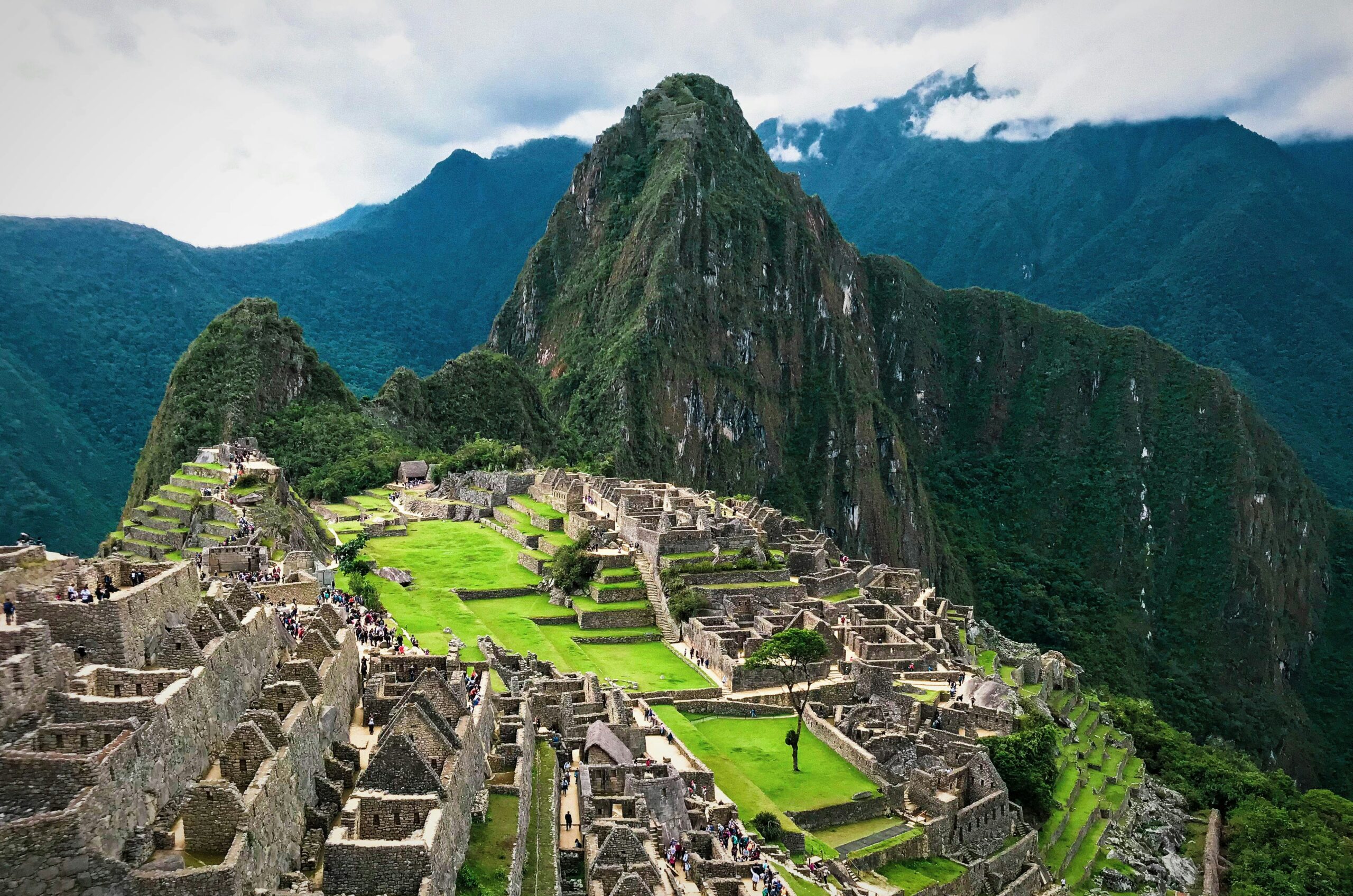
Machu Picchu ancient Inca ruins among green Andean mountain peaks in Peru

What Can You Expect for Stargazing in Each Month?

The best stargazing lines up neatly with the dry season, peaking from June through August when nights are clearest and driest. Peru's official tourism body notes that the valley's high altitude and low light pollution make it exceptional for viewing the Milky Way, with the dry months offering the cleanest skies (Peru.travel, retrieved 2026-11-10).

Month by month, the picture looks like this. From May to September, expect frequent cloud-free nights, though they are also the coldest, so dress warmly for late viewing. In the shoulder months of April and October, clear spells still happen but clouds are more common. From November to March, heavy cloud and rain make reliable stargazing difficult, with only occasional clear windows between storms.

Timing around the moon matters as much as the season. A new moon leaves the sky dark enough to reveal the Milky Way's core, while a full moon washes out all but the brightest stars. At Sky Dome Peru, the glass domes are built for exactly this: you can watch the southern sky, including constellations like the Southern Cross, from inside a warm bed on a freezing clear night.

How Should You Pack and Plan by Season?

Pack for a wide daily temperature range in every season, because the gap between midday sun and nighttime cold is large all year. The rule that works in both seasons is layering: a base layer, a warm mid-layer, and an outer shell you can add or shed as the sun rises and sets.

For the dry season (May to September), prioritize warmth for the nights. Bring a proper insulated jacket, a hat, and gloves for stargazing and early starts, plus strong sun protection for the intense high-altitude daytime sun. A reusable water bottle helps with both hydration and acclimatization.

For the rainy season (November to March), add a waterproof jacket and quick-dry layers, and plan outdoor activities for the morning when storms are less likely. Flexible scheduling is your best tool: keep an indoor option, such as a weaving workshop or a museum, ready for wet afternoons.

Whatever month you choose, the daytime clothing stays similar; it is the night-time gear and rain protection that change. For a full checklist tailored to the climate here, see our guide on what to pack for Andean glamping in Cusco.

Choosing Your Month

If clear skies and reliable hiking weather top your list, book between June and August and bring serious warm layers for the cold nights. If you would rather have green landscapes, lower prices, and more solitude, the rainy-season mornings from November to March reward travelers who stay flexible. Decide which trade-off suits your trip, then lock in your dates and your packing list around it so the weather works for you instead of against you.

Frequently asked questions

What are the two seasons in the Sacred Valley?

The region has a dry season (May to September) with sunny days and cold, clear nights, and a rainy season (November to March) with green landscapes and frequent afternoon thunderstorms. April and October are transitional months.

What is the best month to visit the Sacred Valley for good weather?

May through September gives the most reliable sunshine and the driest conditions. June to August are peak dry-season months, ideal for hiking, photography, and stargazing, though nights are the coldest of the year.

Is it cold at night in the Sacred Valley?

Yes. Even when daytime highs reach 14 to 16 degrees Celsius, nighttime lows in Cusco can fall to around 4 degrees Celsius in the dry season. The high altitude makes evenings and early mornings noticeably cold.

When is the best time for stargazing near Chinchero?

The dry season, especially June through August, offers the clearest night skies. Plan your trip around a new moon for the darkest conditions and the best view of the Milky Way.

Does the rainy season ruin a Sacred Valley trip?

No. Rain usually falls in short afternoon bursts, leaving mornings bright and the valley lush and green. With a rain jacket and flexible timing, the wet season can be a beautiful, quieter time to visit.

Shopping for Authentic Andean Textiles in Chinchero

Key takeaways

  • Authentic Andean textiles are warp-faced and reversible, with no loose backing threads and slight irregularities that reveal the human hand.
  • Natural dyes come from real sources: cochineal insects for reds, indigo for blues, and local plants for yellows and greens.
  • Buying directly from a Chinchero weaving cooperative sends the most money to the maker and keeps the tradition alive.
  • Every pattern and color carries meaning, from rivers and lakes to the chakana or Andean cross.
  • Scarves, blankets, and ponchos in baby alpaca are the most rewarding purchases to pack home.

The surest way to shop for authentic Andean textiles in Chinchero is to buy directly from a community weaving cooperative, turn each piece over to check that it is handwoven and reversible, and look for colors that come from real plants and insects rather than a chemical vat. Do that, and you walk away with a textile that was spun, dyed, and woven by hand, with your money going where it belongs.

Chinchero sits on a high plateau in Cusco's Sacred Valley, about 30 minutes from the city, and it has kept its weaving tradition alive for centuries. The town's monumental zone was declared Cultural Heritage of the Nation by Peru in 1972 and reaffirmed in 2002. The weekly Chinchero market and the many cooperative workshops around it are where that heritage meets the traveler. This guide covers how to recognize real handwoven cloth, how to pay fairly, what the patterns mean, what to buy, and how to care for your textiles once you get them home.

How to Recognize Handwoven Textiles and Natural Dyes

Andean textiles shopping starts with your hands and eyes, not the price tag. Chinchero weavers work on a backstrap loom using a warp-faced technique, which produces a dense fabric that looks finished on both sides. The single best test is to flip a piece over.

Signs of a genuine handwoven textile:

  • Reversible surface. A true warp-faced weave has no "wrong" side with loose floating threads. The pattern reads cleanly front and back.
  • Small irregularities. Hand-spun yarn varies slightly in thickness, and motifs shift by a thread or two across a row. Perfect uniformity is a sign of a machine.
  • Weight and warmth. Alpaca and wool feel substantial. Acrylic feels light, slick, and slightly squeaky.
  • Tight, even tension. A skilled weaver keeps the warp threads packed so closely that the weft disappears.

Natural dyes are the other half of authenticity. The deep reds and pinks in Chinchero cloth come from cochineal, a tiny insect that lives on prickly pear cactus. It takes roughly 155,000 insects to make one kilogram of cochineal, and the dye's natural carminic acid content runs about 19 to 22 percent, as the Chemeurope encyclopedia explains. Blues come from indigo, while local plants supply yellows, greens, and browns. Many cooperatives will crush a cochineal bug on your palm to show the color shift from gray-white to crimson, a quick proof that the dye is real.

The Chinchero Market and Where to Buy

The Chinchero market has two faces. The Sunday handicraft and produce market spreads across the main plaza and draws both locals and visitors, while the cooperative workshops operate throughout the week and center the whole experience on weaving.

For authenticity and fair value, the workshops win. A cooperative or weaving association gathers women from surrounding communities who demonstrate the full chain: shearing, washing, hand-spinning with a drop spindle, dyeing in bubbling pots, and weaving on the loom. You see exactly who made the piece in your hands. The Center for Traditional Textiles of Cusco, which works with weaving communities across the region, has helped revive techniques that were close to disappearing, and its model has shaped how many Chinchero groups present their work today.

If you only have time for the Sunday market, you can still find genuine pieces. Just apply the flip-and-feel test, and be ready to pass on the acrylic blankets aimed at casual tourists.

Fair Prices and Supporting Weaving Cooperatives Directly

A handwoven textile represents days of labor across spinning, dyeing, and weaving, so a fair price is higher than the mass-market acrylic versions sold in Cusco's tourist stalls. Treat a suspiciously cheap "alpaca" scarf as a warning rather than a bargain, because genuine baby alpaca simply costs more to produce.

Buying directly from the weaver or her cooperative matters because it removes the middlemen who absorb most of the margin in a shop setting. When you hand your money to the woman who wove the cloth, more of it stays in the community and funds the materials, the lessons passed to younger weavers, and the household behind the loom.

A few practical habits help:

  • Carry small bills and coins in Peruvian soles, since cooperatives rarely take cards.
  • Ask what the piece is made of and how long it took. Weavers are proud to tell you.
  • Buy the better single piece rather than three cheap ones. Quality lasts for decades.

If you are mapping out costs for the whole trip, set aside a realistic amount for textiles alongside tours and meals, since a single quality piece is worth more than a pile of cheap ones.

What Each Pattern and Color Symbolizes

Andean weaving is a language. The band of motifs running down a poncho or table runner, known broadly as pallay, records the landscape and beliefs of the people who made it. Learning a few symbols turns a souvenir into a story you can carry.

Common motifs you will see in Chinchero:

  • Rivers and lakes: zigzag and diamond bands that trace water through the valley.
  • Crops and seeds: rows of small shapes marking the harvest cycle that sustains Andean life.
  • Birds and animals: condors, llamas, and alpacas, each tied to the surrounding highlands.
  • The chakana: the stepped Andean cross, a central symbol of the Andean worldview and the connection between worlds.

Color carries meaning too. Cochineal reds often signal energy and life, indigo blues evoke sky and water, and earth tones root the cloth in the land. No two communities read the patterns identically, so ask the weaver what her motifs mean. The answer is usually more interesting than any guidebook summary.

Must-Buy Items: Scarves, Blankets, and Ponchos

If you want textiles that travel well and earn their place at home, focus on three categories.

Scarves and shawls. The easiest first purchase. A baby alpaca scarf is light, warm, and packs flat. The finest alpaca fibers measure well under the width of a human hair, which is why good alpaca feels so soft against the neck.

Blankets and throws. A handwoven blanket, or lliclla, is the centerpiece buy. These larger pieces show off full pattern bands and become heirlooms. Check the edges and corners for tight, even finishing.

Ponchos and ruanas. A classic for a reason. A genuine poncho is heavy, reversible, and built to shed Andean wind. It is the item visitors most regret not buying once they are back home.

Table runners, coin purses, and belts make excellent smaller gifts and let you support a cooperative without a large outlay. Chinchero pairs naturally with the nearby sights, so many travelers fold a weaving visit into a wider loop through the valley. Our perfect 3-day Sacred Valley itinerary shows how Chinchero fits alongside Moray, Maras, and Ollantaytambo.

Tips for Packing and Caring for Your Textiles

Handwoven alpaca and wool reward a little care. These fibers are natural, breathable, and more delicate than synthetics, so skip the washing machine.

Packing and care basics:

  • Roll, do not fold hard. Rolling your textiles avoids permanent crease lines and saves space in a bag.
  • Use a cloth or paper layer. Separate dyed pieces with tissue or a cotton layer so colors do not transfer if anything gets damp.
  • Air out, hand wash rarely. Alpaca resists odor, so airing a piece is usually enough. When washing is needed, use cold water and a gentle wool soap, then dry flat.
  • Guard against moths at home. Store clean textiles with cedar or lavender rather than mothballs.

A soft baby alpaca scarf also doubles as an extra layer for cold Andean nights, which is worth remembering when you plan your bag. See our guide on what to pack for Andean glamping in Cusco for the rest of the list.

Make Chinchero Part of Your Sacred Valley Stay

Pick one cooperative, watch a full demonstration from spindle to loom, and buy a single piece you genuinely love rather than an armful of souvenirs. That one scarf, blanket, or poncho will mean far more on your wall or around your shoulders because you watched it being made and you know the hands behind it. From the glass dome suites at Sky Dome Peru near Chinchero, you are minutes from the market and the workshops, which makes an unhurried morning among the weavers an easy addition to your itinerary.

Frequently asked questions

Where is the best place to buy authentic Andean textiles in Chinchero?

Buy at a community weaving cooperative or association workshop rather than a roadside stall. These spaces let you watch the spinning, dyeing, and weaving in person, and more of your money reaches the weaver.

How can I tell if an Andean textile is handwoven or machine-made?

Turn it over. A handwoven warp-faced piece looks finished on both sides with no loose backing threads, and its lines carry small, natural irregularities. Perfectly uniform patterns with a messy underside usually mean machine production.

What is a fair price for a handwoven alpaca scarf in Chinchero?

Prices vary by size and fiber, but a genuine handwoven baby alpaca scarf costs far more than a mass-market acrylic one. Treat a very low price as a sign the piece is synthetic or factory-made.

What do the colors in Andean textiles mean?

Colors and motifs often represent the natural and spiritual world: rivers, lakes, mountains, crops, and animals. Red frequently comes from cochineal, and the chakana or Andean cross symbolizes the Andean worldview.

The Perfect 3-Day Sacred Valley Itinerary

Key takeaways

  • A 3-day Sacred Valley itinerary works best when you cluster Chinchero, Maras and Moray on day one, save Machu Picchu for day two, and keep day three gentle.
  • Sleep in the valley floor near Ollantaytambo or Chinchero rather than Cusco city to shorten daily drives and ease altitude adjustment.
  • Chinchero sits at 3,754 m, higher than Cusco, so pace your first day and hydrate before tackling any steep ruins.
  • Machu Picchu caps daily entry, so book timed tickets well ahead, especially from June through early November.
  • Clear Andean skies make the valley one of the best places in the southern hemisphere for stargazing, ideally from your accommodation.

Three days in Peru's Sacred Valley is enough to see the weaving villages, the salt terraces, the circular ruins at Moray, Ollantaytambo and Machu Picchu without feeling rushed. The trick is grouping sites by geography and letting your body adjust to the thin mountain air before you tackle anything steep. This Sacred Valley itinerary does exactly that, moving you from the higher plateau above Cusco down toward Machu Picchu and back, with a calm final day built around an alpaca hike and a night under some of the clearest skies in the southern hemisphere.

The valley runs below Cusco along the Urubamba River, and most of its best sites sit within a short drive of each other. If you base yourself in the valley rather than the city, you spend less time in transit and more time actually exploring.

Day 1: Chinchero weaving, Maras and Moray

Start high and keep the walking gentle. Chinchero is a weaving town on the plateau between Cusco and the valley floor, and it sits higher than Cusco itself, which makes it the highest point of your three days. Visit a weaving cooperative in the morning, where local families demonstrate natural dyeing and backstrap looms. It is a slow, seated experience, which is ideal when your lungs are still adjusting.

From Chinchero, drive to Moray, a set of concentric circular terraces the Incas used to experiment with crops at different microclimates. The rings are striking from above and the paths around the rim are flat and easy. Then continue to the Maras salt mines, where thousands of shallow evaporation pools cascade down a hillside, fed by a naturally salty spring and still worked by hand by hundreds of local families. The contrast of bright white salt against the red earth is one of the most photographed scenes in the valley.

Keep day one short. You will cover the three sites comfortably by mid afternoon, which leaves time to rest before dinner.

Day 2: Ollantaytambo and a Machu Picchu excursion

Day two is the big one, so start early. Ollantaytambo is both a living Inca town and a fortress of steep stone terraces, and it sits well below Chinchero, so the climb up the ruins will feel more manageable than it would have on day one. It is also the main railway gateway to Machu Picchu, which makes it the logical launch point for your excursion.

From Ollantaytambo, take the train to Aguas Calientes and continue by bus up to Machu Picchu. The site sits lower than Cusco, so many travelers actually feel better here than they did on arrival. Daily entry is capped: Peru's Ministry of Culture set the 2026 limit at 5,600 visitors per day during peak season from June 19 to November 2, and 4,500 per day the rest of the year, as reported by Voyagers Travel. Book your timed tickets well in advance, especially for the popular circuits.

Ancient stone terraces and ruins of Machu Picchu with misty Andean peaks behind

Plan to return to the valley by evening so you are back at your base before dark rather than navigating the drive late.

Day 3: Alpaca hike and stargazing near your dome

After a demanding day two, keep the final day light and local. A morning alpaca hike is a gentle way to spend a few hours in the highlands. You walk at an easy pace through pasture and farmland, often alongside a small herd, with the mountains as a backdrop. It is as much about the quiet and the views as the distance covered.

Save the evening for the sky. The dry Andean air, high altitude and distance from city lights make the valley one of the best stargazing spots in the southern hemisphere. From the right vantage point you can pick out the Southern Cross, the Magellanic Clouds and the dense core of the Milky Way. A glass dome suite at Sky Dome Peru is built for exactly this, letting you watch the sky from bed without stepping into the cold.

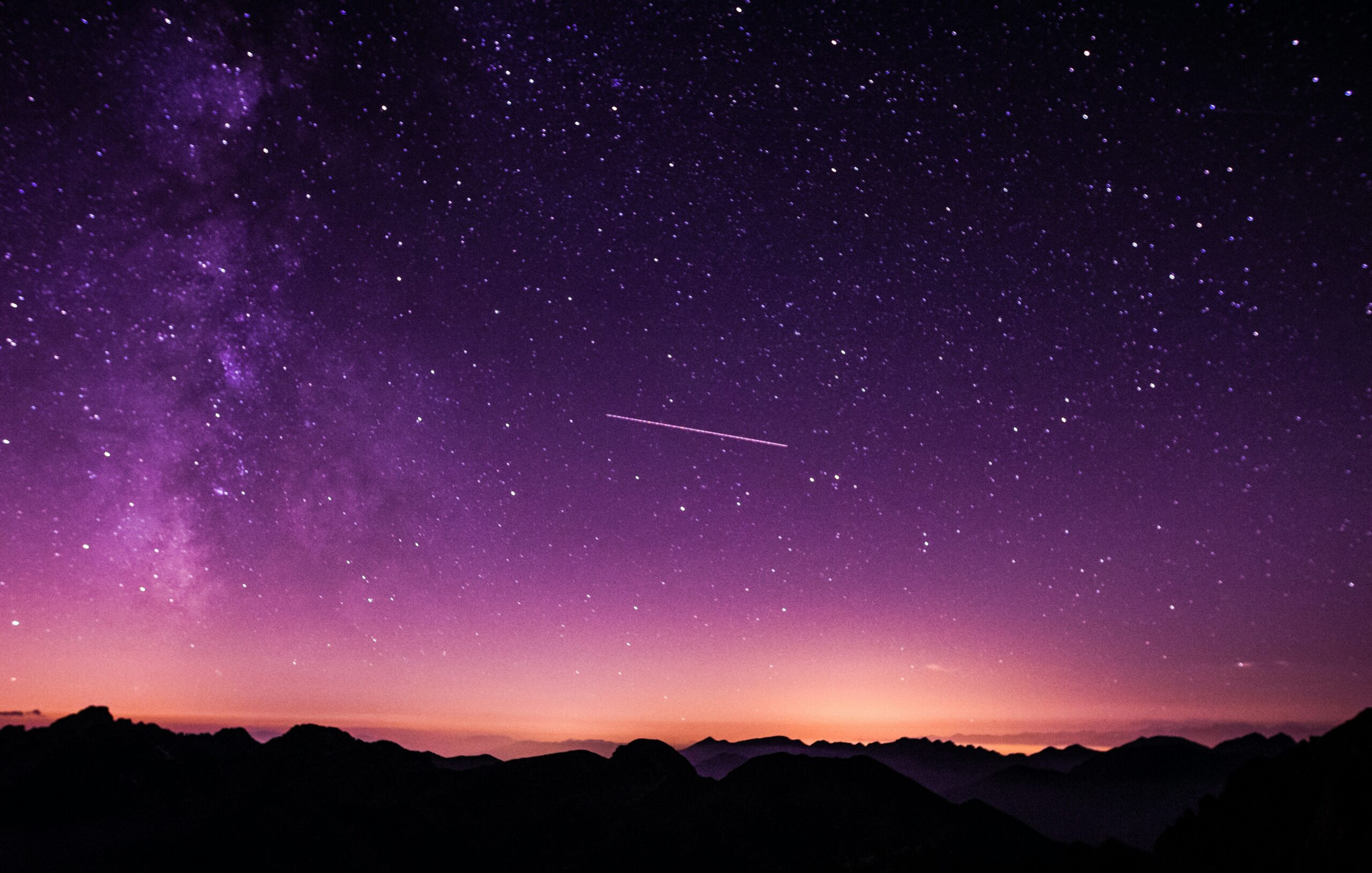
The Milky Way stretches across a starry night sky above rugged Andean mountains

How to pace activities around the altitude

Altitude is the one factor that can derail an otherwise perfect trip. The valley sits high enough to matter: the U.S. Centers for Disease Control and Prevention notes that altitude illness can affect travelers who ascend above 2,500 m, which covers nearly everywhere in this itinerary. Read the CDC's high elevation travel guidance before you go.

A few practical habits make a real difference:

  • Arrive a day early if you can and spend your first hours resting, not hiking.
  • Drink more water than feels natural and go easy on alcohol the first two nights.
  • Front-load the gentle activities. That is why this plan puts seated weaving and flat terrace walks on day one, descends to Machu Picchu on day two, and leaves the alpaca hike for day three.
  • Watch for headaches, nausea or poor sleep, and slow down if they appear.

Because Machu Picchu and the valley floor sit lower than Cusco, this route naturally works with your body rather than against it.

Where to stay to minimize travel time on your Sacred Valley itinerary

Where you sleep decides how much of your three days you spend in a car. Cusco city is higher and farther from the main sites, so basing yourself there adds an hour or more of driving each way to Maras, Moray and the Ollantaytambo train. Staying in the valley itself, near Chinchero or Ollantaytambo, puts you within easy reach of every stop on this itinerary and at a lower elevation that is kinder on your first nights.

That central position is one reason Sky Dome Peru sits where it does, near Chinchero in the heart of the valley. The glass domes keep you close to the day trips while the clear night sky above becomes part of the stay itself. If you are weighing accommodation styles, our comparison of glass dome glamping versus traditional Cusco hotels lays out the trade-offs.

Start planning your three days

Pick your Machu Picchu date first, since the daily cap means that ticket anchors everything else. Once it is booked, build the two surrounding days around it using the geography above, reserve a valley base that keeps your drives short, and leave the final evening open for the stars. Do that, and three days is plenty to come away feeling like you saw the Sacred Valley properly rather than in a blur.

Frequently asked questions

Is 3 days enough for the Sacred Valley?

Three days is enough to see the headline sites without rushing. You can cover Chinchero, Maras and Moray on day one, Ollantaytambo and Machu Picchu on day two, and keep day three for lighter activities like an alpaca hike and stargazing.

Should I stay in Cusco or the Sacred Valley?

Staying in the valley near Ollantaytambo or Chinchero cuts daily travel time and helps with altitude, since the valley floor sits lower than Cusco city. It puts you closer to Maras, Moray and the Machu Picchu train line.

What is the best order to visit sites to manage altitude?

Spend your first day on gentler, shorter walks around Chinchero, Maras and Moray, then descend to Machu Picchu, which sits lower than Cusco. Save strenuous hiking for day three once your body has adjusted.

How far ahead should I book Machu Picchu tickets?

Book several weeks ahead, and more for peak season from June to early November, because daily entry is capped. Timed slots for popular circuits and Huayna Picchu sell out first.

Family-Friendly Activities in the Sacred Valley

Key takeaways

  • The Sacred Valley floor sits lower than Cusco, so families often sleep there to acclimatize more comfortably before busier days.
  • Gentle alpaca hikes, hands-on weaving workshops in Chinchero, and interactive farms keep younger travelers engaged without long, strenuous treks.
  • Clear Andean nights make stargazing a memorable family activity, and glass glamping domes let kids watch the sky from bed.
  • Choose relaxed ruins like Moray and short valley walks over marathon sightseeing days when traveling with children.

Families traveling through Cusco do best when they slow down, and the Sacred Valley is built for exactly that. The best family activities in the Sacred Valley are gentle by design: short alpaca walks, hands-on weaving sessions, interactive farms, relaxed ruins, and clear nights for stargazing. This guide walks through each one so you can plan family travel in Cusco around what children actually enjoy, not just what guidebooks rank first.

The valley rewards curiosity more than stamina. Kids remember holding a ball of freshly dyed wool or feeding an alpaca far longer than they remember a crowded viewpoint. Below are the experiences worth building your days around near Chinchero and the wider valley.

What Makes the Sacred Valley Good for Family Travel in Cusco?

The Sacred Valley suits families because its towns sit lower than Cusco city, and most sights involve short walks rather than demanding treks. Many visitors find the first day or two at altitude tiring, and children are no exception. Basing yourself on the valley floor, then making day trips up to higher sites, spreads the effort out and keeps moods steady.

Distances between the main attractions are short, often under an hour by road. That means you can see a ruin in the morning, return for lunch and a rest, then head out for a gentle afternoon activity. For young travelers, that rhythm matters more than squeezing in another site. A relaxed pace also leaves room for the unplanned moments, a market stall, a stream, a herd of grazing alpacas, that kids tend to love most.

Panoramic view of Peru's Sacred Valley with terraced slopes and Andean mountains

Weather plays a role too. The dry season brings warm, clear days and cold nights, so pack layers for everyone. Keeping the schedule flexible lets you follow the sun and your children's energy rather than a rigid itinerary.

Which Ruins, Farms, and Interactive Experiences Suit Kids?

The most kid-friendly sites trade long climbs for open space and visible, hands-on detail. Moray, with its vast circular agricultural terraces, feels like a giant amphitheater and lets children see how the Inca experimented with growing crops at different levels. The scale alone sparks questions, and the walking is gentle compared with steeper fortress sites.

Interactive farms and animal encounters round out the day. Many valley communities welcome families to see guinea pigs, which are raised locally, and to meet alpacas and llamas up close. Small working farms often let children try simple tasks, grinding corn, planting, or feeding animals, which turns sightseeing into participation. These stops are short, grounded, and easy to pair with a picnic.

When you do visit a classic ruin, pick one and give it time rather than rushing three in a day. Let kids scramble on the lower terraces, spot water channels, and ask why the stones fit so tightly. One site explored well beats a blur of them.

Are Alpaca Hikes Suitable for Younger Travelers?

Guided alpaca hikes near Chinchero are well suited to children because they are short, mostly flat, and move at a calm animal pace. Rather than a hard climb, these walks follow gentle trails where families lead or walk alongside alpacas, stopping often to rest and take photos. The animals set an unhurried tempo that naturally matches how young children like to explore.

The appeal for kids is simple: they get to be near the animals, help guide them, and learn how alpaca fiber becomes the textiles sold in local markets. Guides usually explain how the herds are cared for and how the wool is sheared, spun, and dyed, which connects the hike to the weaving workshops nearby. For practical details on routes, timing, and what to expect, see our guide to how to experience an alpaca hike near Chinchero.

Keep expectations modest. Younger children may want a shorter loop, so ask your guide for the gentlest option and build in snack breaks. The goal is contact with the animals and the landscape, not distance covered.

What Can Families Do in Chinchero's Weaving Workshops?

Chinchero's weaving workshops are among the most engaging hands-on activities for families in the valley. Children can watch wool being washed with a natural root soap, dyed with plants and minerals, and spun into thread before being woven on backstrap looms. The color changes are dramatic enough to hold a child's attention, and most cooperatives invite kids to try a simple step themselves.

Andean textile traditions carry deep cultural meaning across the region. Peru's textile heritage is internationally recognized: the textile art of Taquile Island on Lake Titicaca is inscribed on UNESCO's Representative List of the Intangible Cultural Heritage of Humanity (UNESCO). Chinchero sits within that same living tradition, where patterns and techniques pass from one generation to the next.

For families, the workshops work because they are interactive and short, with a clear beginning, middle, and finished object to admire. A small woven band or bracelet becomes a souvenir the child helped make. To understand why this town matters so much to Andean weaving, read our deeper look at Chinchero, living capital of Andean weaving.

These sessions also pair naturally with an alpaca hike, since children see the full story: the animal, the fiber, and the finished cloth. That connection makes the craft stick.

Why Is Stargazing a Memorable Family Activity Here?

Stargazing stands out in the Sacred Valley because clear, dark Andean nights reveal far more of the sky than most families see at home. Away from city light, the Milky Way often appears as a bright band overhead, and the thin high-altitude air makes stars look sharp. For children used to light-polluted skies, the first clear night can be genuinely startling.

The southern sky shows constellations many northern visitors have never seen, which gives parents and kids something to discover together. A simple star app, a red flashlight to protect night vision, and a warm blanket are often all you need. Keeping the session short and cozy matters with young children, who tire quickly in the cold mountain evenings.

Because nights turn cold fast, plan stargazing as an after-dinner treat close to your accommodation rather than a long outing. That way kids can head straight to bed once they have had their fill of the sky.

How Do Glamping Domes Work for Families?

Glamping domes suit families because they combine comfort with a direct view of that remarkable night sky, often from inside a warm bed. Transparent dome suites let children watch stars without stepping into the cold, which turns stargazing into something they can do while getting sleepy. Keeping everyone in one heated, comfortable space also makes bedtime routines far easier at altitude.

At Sky Dome Peru, the glass domes near Chinchero are designed around that experience, pairing the Andean landscape by day with the stars at night. For families, the practical wins are real: a settled base, a memorable room, and short distances to alpaca hikes, weaving workshops, and the valley's gentler ruins. Children get the novelty of sleeping under the sky, and parents get a quiet, contained place to recover between outings.

A dome base also encourages the slower pace that family travel in Cusco needs. Rather than long transfers each evening, you return to the same comfortable spot, rest, and let the valley's quiet do its work.

Plan Your Family Activities in the Sacred Valley

Start by sketching three or four light days rather than one packed itinerary: a gentle alpaca hike and weaving workshop near Chinchero, a relaxed visit to Moray or a farm, and at least one clear evening set aside for stargazing. Book the alpaca hike and weaving session in advance so a guide can tailor the pace to your youngest traveler, and keep afternoons open for rest. Build the trip around short days and early nights, and the Sacred Valley will give your family the kind of unhurried, hands-on memories that last long after the flight home.

Frequently asked questions

What are the best family activities in the Sacred Valley?

Gentle alpaca hikes, weaving and craft workshops in Chinchero, visits to kid-friendly ruins like Moray, hands-on farm and guinea pig experiences, and stargazing all suit families with children.

Is the Sacred Valley good for family travel in Cusco?

Yes. The valley floor sits lower than Cusco, which makes acclimatizing gentler for kids, and many sites involve short walks rather than long, demanding treks.

How do I help children adjust to the altitude?

Arrive slowly, spend your first days in the lower Sacred Valley rather than Cusco city, keep activities light at first, hydrate often, and build in plenty of rest.

Are alpaca hikes safe for young kids?

Guided alpaca hikes near Chinchero are usually short and flat, walking at an animal's pace, so they work well for children who can manage a gentle stroll.

Why choose a glamping dome with children?

Transparent domes let families watch the night sky from a warm bed, give kids space to settle, and keep everyone together in one comfortable room.

Booking Notice