Key takeaways
- A glass dome puts the Sacred Valley sky inside your room; a city hotel keeps the view outside a window.
- Choose a Cusco hotel for late-night nightlife and walkable restaurants, and a Sacred Valley dome for quiet, nature and stars.
- Dark-sky travel is a real draw: 62% of travelers say they are interested in dark-sky destinations (Booking.com 2025 predictions).
- Glamping pricing bundles the setting, the stargazing and the Andean experiences, so compare total value rather than nightly rate alone.
If you are deciding between glamping and a hotel in Cusco, the honest answer is that they solve different trips. A glass dome in the Sacred Valley gives you quiet, open space and a sky you can watch from bed, while a traditional city hotel gives you walkable streets, late dinners and a central base for day tours.
This guide compares glass dome glamping vs a hotel in Cusco across the five things that actually change your stay: comfort and privacy, the view, location and access, who each option suits, and what you really pay for. By the end you should know which one fits the trip you are planning.
How do comfort, privacy and amenities compare?
On paper the two are closer than most travelers expect. A well-built glass dome is a solid, insulated suite with a real bed, a private bathroom, heating for cold Andean nights and room to spread out. A good Cusco hotel offers the same core comforts plus the convenience of a front desk, daily housekeeping and an on-site restaurant.
The clearest split is privacy. A glass dome usually stands on its own patch of ground, so you rarely share a wall, a corridor or a breakfast room with other guests. A city hotel concentrates many rooms in one building, which is efficient and social but means more foot traffic and noise.
Glass dome accommodation also tends to lean toward a single, generous room rather than a layout with separate spaces. If you value a lobby, a gym, a spa and a bar steps from your door, a hotel wins on sheer volume of amenities. If you value waking up with nobody around and nothing between you and the valley, the dome wins.
Why is a 360-degree view the real advantage?
The view is where a glass dome stops competing with hotels and starts playing a different game. A transparent dome turns the Sacred Valley sky into part of the room, so the landscape and the stars are overhead rather than framed in a window. That is something a standard hotel room, however luxurious, cannot reproduce.
Interest in exactly this kind of experience is climbing. In 2026, dark-sky travel is a mainstream motivation: 62% of travelers say they are interested in dark-sky destinations, according to Booking.com's 2025 travel predictions (The Hustle, 2025). The same reporting puts the dark sky tourism market at roughly $10 billion and projected to double by 2035.
There is a reason the night sky itself has become a selling point. Light pollution is rising fast, with night sky brightness increasing by about 9.6% a year between 2011 and 2022, according to the same reporting. Places with genuinely dark skies are getting rarer, which raises the value of a stay built around them.
The Sacred Valley's high altitude and distance from big-city glare make it a strong setting for this. From a glass dome near Chinchero you can lie back and watch the sky change without leaving your bed, and many guests pair the stay with a guided night session. For the practical side of that, our stargazing in the Sacred Valley guide covers timing, altitude and what you can realistically see.
Location and access: valley domes vs city hotels
Location is the trade-off that decides most bookings. A Cusco city hotel puts you inside the historic center, within a short walk of restaurants, markets, nightlife and the airport transfer. Glass dome glamping sits out in the Sacred Valley near Chinchero, usually 45 to 60 minutes from the city, surrounded by farmland, mountains and quiet.
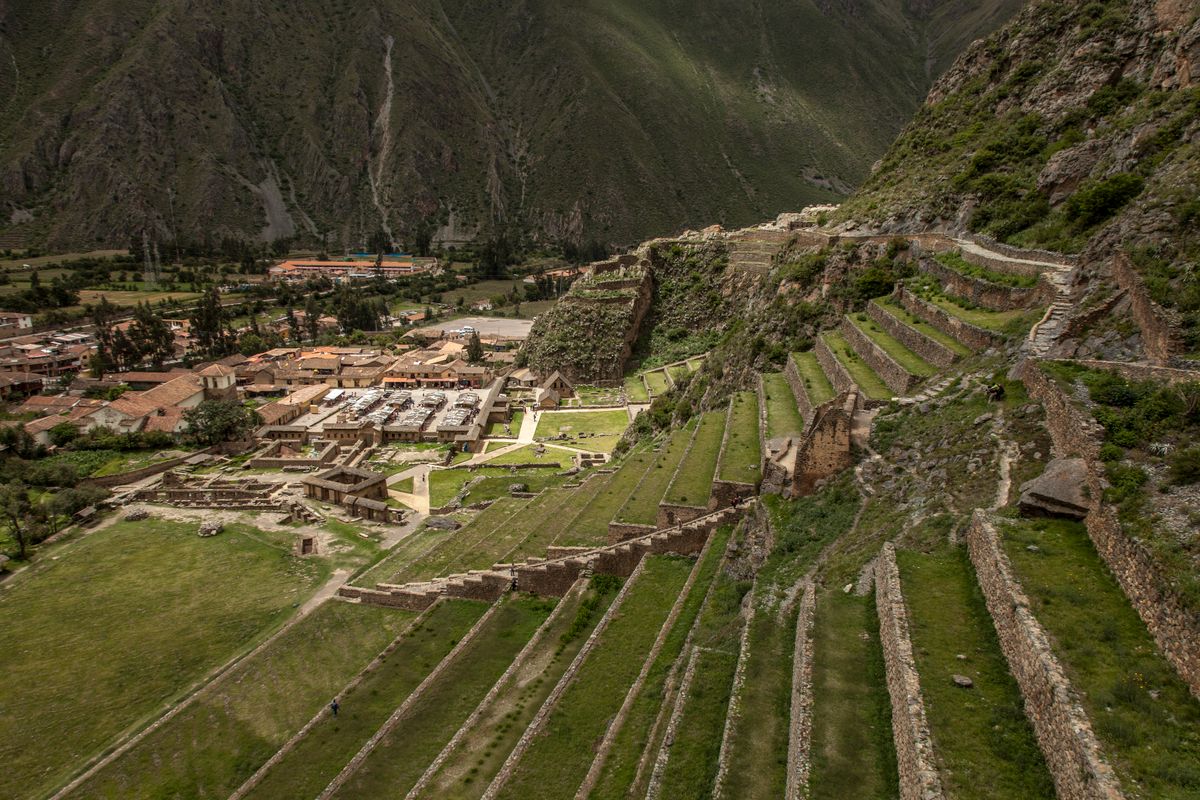
That distance earns its keep once you look at what sits around the domes. The Sacred Valley is the launch point for some of the region's best day trips, and basing yourself there cuts the daily back-and-forth to Cusco.
From a valley base you are close to the archaeological sites and villages that draw people to the region in the first place: the weaving town of Chinchero, the circular terraces of Moray and the salt pans of Maras. If your trip is built around those experiences rather than city evenings, waking up among them saves time and road hours.
The honest downside is spontaneity. In the city you can walk out for a late meal or change plans on a whim. In the valley you plan around transfers and daylight. Travelers who want both sometimes split the trip: a couple of nights in a dome for the landscape, then a night in Cusco before flying out.
Which option suits couples, families and solo travelers?
There is no single winner here, because each traveler type weights comfort, privacy and location differently. The quick version: couples and stargazers lean dome, nightlife-focused and very short trips lean city hotel, and families and solo travelers can go either way depending on pace.
Couples get the most out of glass dome accommodation. The privacy, the shared view and the quiet make it a natural fit for a romantic or milestone trip, and the setting does a lot of the work that a hotel would try to buy with amenities.
Families do well in a dome when they want space and the outdoors. Children tend to love the novelty of sleeping under the stars and having grounds to roam, and a self-contained suite keeps everyone together. Families on tight connection times, or with very young children who need a crib and a pharmacy nearby, sometimes find a central hotel simpler.
Solo travelers split on priorities. If you are here to hike, photograph the landscape and watch the sky, the valley rewards you. If meeting other travelers and easy evening logistics matter more, a Cusco hotel or hostel keeps you in the middle of things. A guided alpaca hike near Chinchero is one of the easiest ways to turn a quiet valley base into an active solo day.
Cost and value: what you really pay for with glamping
Comparing a dome rate to a hotel rate line by line usually misleads, because the two prices cover different things. A city hotel rate buys a room and standard services. A glass dome rate buys the setting, the privacy, the 360-degree views and, at properties like Sky Dome Peru, access to the Andean experiences that make the valley worth the trip.
Demand helps explain the pricing. Travelers are actively seeking the kind of nature-and-sky stay a dome delivers, and dark-sky experiences sit inside a market worth roughly $10 billion that is projected to double by 2035. You are paying for something that is becoming harder to find, not just a night's sleep.
The smarter way to judge value is total trip cost and what the stay replaces. A dome in the valley can fold accommodation, scenery, stargazing and tours into one base, which trims transfers and the cost of chasing experiences from a city hotel. If your priority is a central location and a cheap bed between tours, a hotel can still be the better math.
Glamping vs hotel in Cusco: a simple way to decide
Match the stay to the trip, not the other way around. If this trip is about Cusco's streets, restaurants and nightlife on a short schedule, book a central city hotel. If it is about the Sacred Valley, the landscape, privacy and a sky you can watch from bed, a glass dome is built for exactly that.
If the valley version is the trip you want, look at a Sacred Valley glass dome glamping suite and plan your nights around the experiences you most want to wake up next to.
Frequently asked questions
Is glamping cheaper than a hotel in Cusco?
Not always, and the comparison is rarely like-for-like. A glass dome rate usually bundles a private setting, 360-degree views and access to guided Andean experiences, so you are paying for an experience rather than a bed in the city.
Where are the glass domes located compared to Cusco hotels?
Most glass dome glamping sits in the Sacred Valley near Chinchero, roughly 45 to 60 minutes from Cusco city. City hotels put you inside the historic center, within walking distance of restaurants, nightlife and the airport transfer.
Is a glass dome a good choice for families?
Yes, for families who want space, nature and novelty. A dome with its own grounds suits children who like the outdoors. Families with very young kids or tight transfer schedules sometimes prefer a central Cusco hotel.
Can you actually see the stars from a glass dome?
The whole point of a transparent dome is the sky overhead. The Sacred Valley's high altitude and limited light pollution make it strong for stargazing, which is why many guests pair a dome stay with a dedicated night-sky session.