Ollantaytambo: A Thousand-Year Legacy That Continues to Inspire the World.
In a rapidly evolving world where authenticity, cultural heritage, and sustainable tourism have become key drivers of global travel, few destinations embody these values as powerfully as Ollantaytambo. With a history spanning more than a millennium, this remarkable Andean town stands as a living testament to innovation, resilience, and cultural excellence.
A Living Legacy of the Inca Civilization
Nestled in the heart of the Sacred Valley of the Incas, Ollantaytambo is one of the best-preserved examples of ancient urban planning in the Americas. Its original stone streets, centuries-old water channels, and impressive architectural structures continue to serve the local community today.
The iconic Ollantaytambo Archaeological Park showcases the engineering brilliance of the Inca civilization, attracting travelers, historians, archaeologists, and business leaders from around the globe. Every stone tells a story of vision, craftsmanship, and a commitment to building for future generations.
Why Ollantaytambo Matters in the 21st Century
Modern travelers are increasingly seeking meaningful experiences that connect them with local cultures and authentic histories. Ollantaytambo offers exactly that—a unique combination of heritage, community, and natural beauty.
As a strategic gateway to Machu Picchu, the town plays a vital role in Peru’s tourism ecosystem while preserving its cultural identity. Its success demonstrates how heritage conservation and economic development can work together to create sustainable growth.
For organizations, investors, and tourism professionals, Ollantaytambo serves as a powerful example of how cultural assets can drive long-term value while maintaining authenticity.
A Destination Built on Sustainability
Long before sustainability became a global priority, the people of the Andes developed systems designed to work in harmony with nature. The agricultural terraces, water management infrastructure, and urban design found throughout Ollantaytambo reflect principles that remain relevant today.
Visitors can experience:
Ancient Inca architecture and engineering.
Authentic Andean traditions and customs.
Stunning mountain landscapes.
Rich cultural and historical experiences.
Direct access to Peru’s most iconic heritage sites.
These elements position Ollantaytambo among South America’s most significant cultural destinations.
Preserving the Past, Shaping the Future
In today’s digital era, preserving cultural heritage requires innovation as much as conservation. Through responsible tourism, digital storytelling, educational initiatives, and community engagement, Ollantaytambo can continue sharing its extraordinary legacy with future generations.
The challenge and opportunity for leaders in tourism, culture, and business is clear: protect what makes destinations unique while creating sustainable opportunities for local communities.
Conclusion
Ollantaytambo is more than a destination—it is a living lesson in leadership, vision, and endurance. For over a thousand years, it has demonstrated how strong foundations, cultural pride, and strategic thinking can withstand the test of time.
Whether you are a traveler seeking inspiration, an entrepreneur exploring opportunities, or a global citizen passionate about heritage preservation, Ollantaytambo offers a compelling reminder that the greatest legacies are those that continue to create value for generations.
Ollantaytambo: A Thousand-Year Legacy That Continues to Shape the Future
Cusco tours
Cusco Tours Guide 2026: Best Day Tours, Sacred Valley Experiences & Local Adventures in Peru
Planning a trip to Cusco? This ancient Andean city is more than just the gateway to Machu Picchu — it is the cultural heart of Peru, full of breathtaking landscapes, Inca history, colorful traditions, and unforgettable local experiences.
If you are searching for the best Cusco tours, Sacred Valley tours, or authentic experiences with a local tour company in Peru, this guide will help you discover the top places to visit and how to organize the perfect adventure.
For personalized experiences and local tours in Peru, visit Sky Dome Peru.
⸻
Why Visit Cusco, Peru?
Located high in the Peruvian Andes, Cusco was once the capital of the Inca Empire and today remains one of the most visited destinations in South America.
Travelers come to Cusco for:
Incredible Inca archaeological sites
Traditional Andean culture
Scenic mountain landscapes
Local markets and gastronomy
Adventure tours and trekking
Access to Machu Picchu and the Sacred Valley
Cusco combines history, nature, spirituality, and adventure in one destination.
⸻
Best Tours in Cusco
Sacred Valley Tour
The Sacred Valley Tour is one of the most popular day tours from Cusco. Located between Cusco and Machu Picchu, the Sacred Valley was an important agricultural and spiritual center for the Incas.
Most Sacred Valley tours include:
Pisac
Ollantaytambo
Traditional Andean markets
Inca terraces and archaeological sites
Scenic mountain viewpoints
This tour is perfect for travelers interested in culture, photography, history, and local communities.
⸻
Maras Salt Mines Tour
The famous Salineras de Maras are one of the most unique landscapes in Peru. Thousands of salt pools cascade down the mountainside, creating an incredible white mosaic in the Andes.
The Maras Salt Mines have been used since pre-Inca times and continue to produce natural salt today.
Why visit Maras?
Stunning photography location
Unique geological landscape
Cultural importance
Traditional salt extraction methods
Easy half-day tour from Cusco
Many local tours combine Maras with Moray and Chinchero for a complete Sacred Valley experience.
⸻
Moray Tour
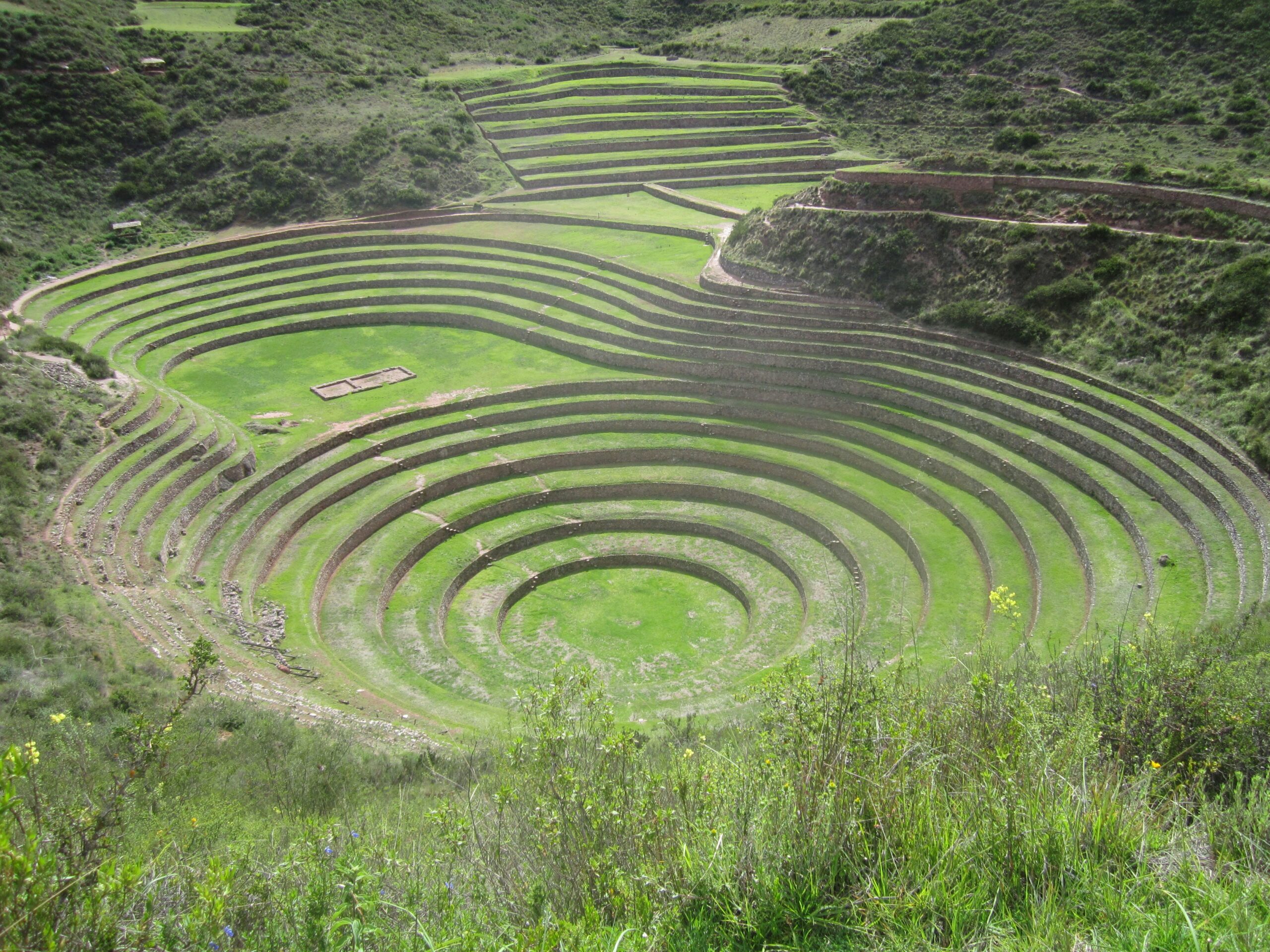
Moray is one of the most fascinating archaeological sites near Cusco. These circular agricultural terraces were likely used by the Incas as an agricultural laboratory to experiment with crops and microclimates.
Highlights of Moray:
Circular Inca terraces
Incredible panoramic views
Ancient agricultural engineering
Ideal destination for history lovers
Perfect combination with Maras Salt Mines
Moray is a must-visit location for anyone exploring the Sacred Valley.
⸻
Chinchero Cultural Tour
Chinchero is known as one of the most authentic Andean villages in Peru. Visitors can learn about traditional textile weaving techniques that have been preserved for generations.
What to do in Chinchero:
Visit local weaving communities
Learn natural dye techniques
Explore colonial churches
Discover Inca ruins
Experience authentic Andean culture
A Chinchero tour is highly recommended for travelers seeking local cultural experiences.
⸻
Why Choose a Local Tour Company in Peru?
Booking with a local company helps you experience Peru more authentically while supporting local communities and guides.
Benefits of choosing a local Cusco tour operator:
Personalized experiences
Small groups
Local expert guides
Flexible itineraries
Better cultural immersion
Support for local families and communities
For authentic local tours and unique experiences in Cusco and Peru, visit Sky Dome Peru Official Website.
⸻
Best Time to Visit Cusco
The best months to visit Cusco are:
May
June
July
August
September
These months offer dry weather and clear mountain views, making them ideal for hiking and day tours.
The rainy season usually runs from November to March.
⸻
Tips for Visiting Cusco
Before taking tours in Cusco, remember:
Acclimatize to the altitude for 1–2 days
Drink plenty of water
Bring sunscreen and layers
Wear comfortable walking shoes
Book Machu Picchu tickets in advance
Choose reputable local tour companies
⸻
Final Thoughts
Whether you are exploring the breathtaking Sacred Valley, discovering the mysterious terraces of Moray, or walking through the traditional village of Chinchero, Cusco offers unforgettable adventures for every traveler.
If you are looking for authentic experiences, personalized tours, and local guides in Peru, explore the experiences available at Sky Dome Peru Tours
Machu Picchu Last-Minute Tickets 2026: Everything You Need to Know About the Last 1,000 Daily Entry Tickets in Peru
Machu Picchu Last-Minute Tickets 2026: Everything You Need to Know About the Last 1,000 Daily Entry Tickets in Peru
Planning a trip to Machu Picchu is a dream for many travelers visiting Peru. However, one of the biggest problems visitors face is discovering that official Machu Picchu entrance tickets are already sold out online.
Fortunately, Peru offers a special system of 1,000 last-minute tickets daily in Aguas Calientes for travelers who could not reserve in advance.
These tickets are commonly known as:
the last 1000 Machu Picchu tickets
emergency Machu Picchu tickets
last-minute Machu Picchu entrance tickets
In this complete 2026 travel guide, you will learn:
how the 1,000 daily tickets work
where to buy Machu Picchu tickets in person
official rules and regulations
how early to arrive
best circuits to choose
how to avoid scams
why booking in advance is still the safest option
Whether you are traveling through the Sacred Valley, staying in Cusco, or exploring Aguas Calientes, this guide will help you organize your Machu Picchu adventure successfully.
What Are the Last 1,000 Machu Picchu Tickets?
The Peruvian Ministry of Culture officially reserves approximately 1,000 daily tickets for travelers who arrive in Machu Picchu Pueblo without prior reservations.
These tickets are sold exclusively in person in Aguas Calientes and are generally valid for the following day’s entrance. Official information is available through the Peruvian government tourism platform. (machupicchu.gob.pe)
This system was created for travelers who:
could not buy tickets online
changed travel dates unexpectedly
arrived in Peru without reservations
are traveling spontaneously through Cusco and the Sacred Valley
Where to Buy Last-Minute Machu Picchu Tickets
The 1,000 daily tickets are sold at the Ministry of Culture office in:
Aguas Calientes
Also known as Machu Picchu Pueblo.
Important: These tickets are NOT officially sold:
through WhatsApp
on Facebook groups
by street vendors
by unofficial resellers
Travelers must present:
original passport
identification document
personal information
According to official regulations, the process is personal and non-transferable. (machupicchu.gob.pe)
Official online reservations can be made here:
Official Machu Picchu Ticket Platform
Official tourism information:
Official Machu Picchu Government Website
Are the 1,000 Daily Tickets Guaranteed?
No.
This is one of the biggest misunderstandings among travelers visiting Peru.
Many people believe:
“I can just buy tickets easily when I arrive.”
But during high season, the last-minute tickets may sell out quickly.
Availability depends on:
tourism demand
season
cancellations
official visitor limits
weather conditions
The most difficult months are:
June
July
August
September
Christmas holidays
New Year season
Several travel reports confirm that travelers often queue very early in the morning to secure availability. (magicalcuscotravelagency.com)
How the Last-Minute Ticket Process Works
Step 1: Arrive in Aguas Calientes
Most travelers arrive by:
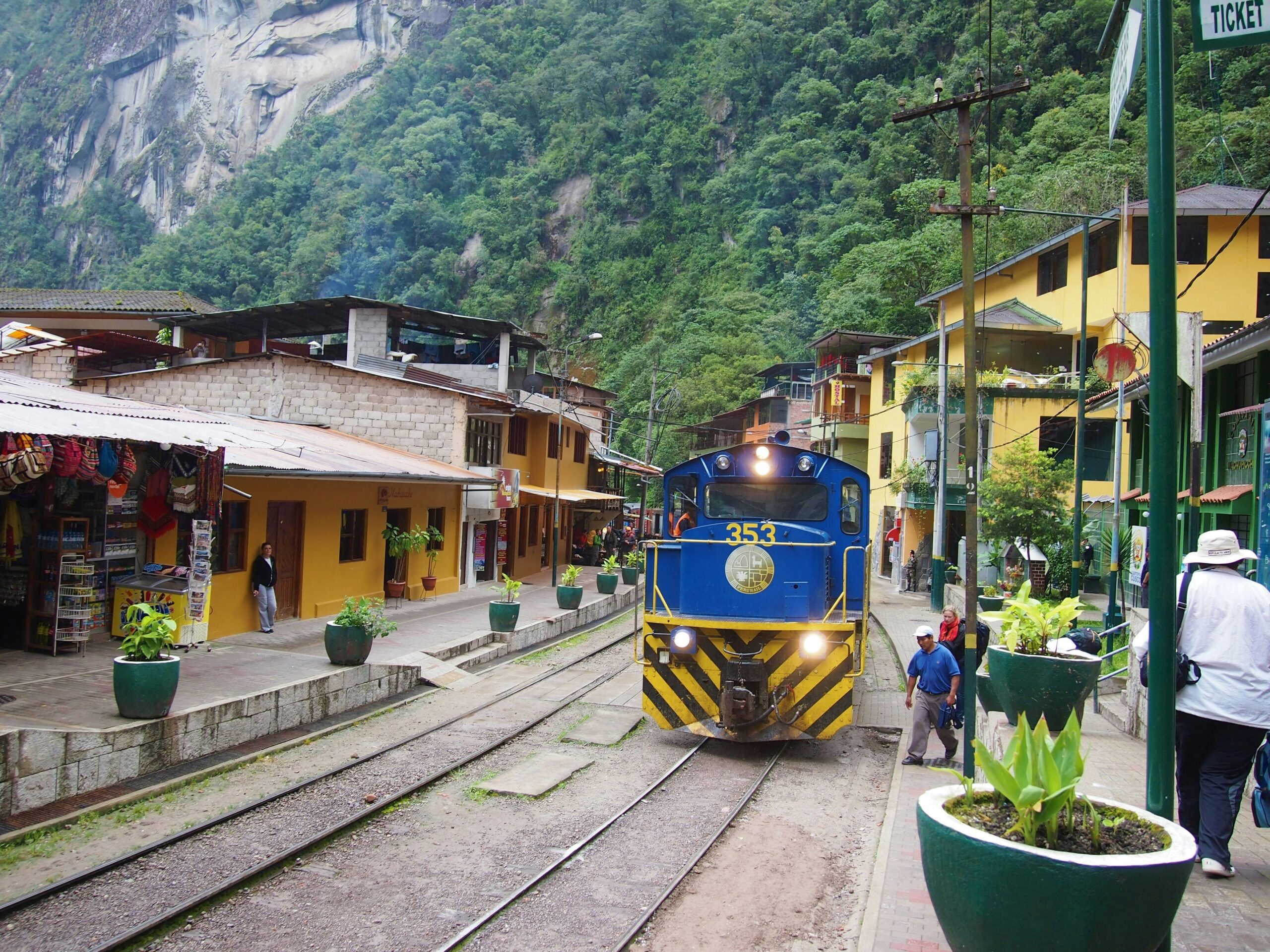
train from Ollantaytambo
train from Cusco
Hidroelectrica route
⸻
Step 2: Go to the Ministry of Culture Office
Bring:
passport
cash or payment method
patience during high season
The office organizes the distribution process according to availability.
⸻
Step 3: Wait in Line
During busy months, some travelers begin waiting:
before sunrise
late at night
the evening before
Earlier arrival improves your chances significantly.
⸻
Step 4: Select an Available Circuit
Availability changes daily.
The most requested route is usually:
Circuit 2
Because it includes:
the classic panoramic Machu Picchu photo
broader archaeological access
the iconic viewpoint
⸻
Machu Picchu Circuits Explained
The Peruvian government now regulates visitor flow through official circuits.
Circuit 2 — The Most Popular Option
Best for:
first-time visitors
classic postcard photos
full archaeological experience
⸻
Circuit 1 — Panoramic Upper Routes
Excellent panoramic viewpoints and photography locations.
approximately 4,500 visitors daily during low season
approximately 5,600 visitors during high season
plus the additional 1,000 in-person tickets available in Aguas Calientes (tierrasvivas.com)
These restrictions help protect Machu Picchu as a UNESCO World Heritage Site.
⸻
Best Tips to Get Last-Minute Machu Picchu Tickets
Arrive Early
Earlier arrival gives better ticket options.
⸻
Stay Flexible
If Circuit 2 is unavailable, another route may still offer an incredible experience.
⸻
Avoid Peak Months if Possible
The easiest months are usually:
January
February
March
November
⸻
Reserve Train Tickets Early
Even if you obtain Machu Picchu entry tickets, train tickets may also sell out quickly.
Especially routes connecting:
Cusco
Ollantaytambo
Aguas Calientes
⸻
Stay Overnight in Aguas Calientes
Most last-minute tickets are for the following day.
An overnight stay is usually necessary.
⸻
Common Tourist Mistakes
Waiting Until the Last Minute
The biggest mistake.
Machu Picchu is one of the most visited destinations in South America.
⸻
Trusting Fake Sellers
Be careful with:
fake agencies
social media scammers
unofficial ticket promises
No one can guarantee official tickets unless the process is completed legally through authorized channels.
⸻
Forgetting Bus Tickets
Travelers also need transportation between:
Aguas Calientes
Machu Picchu entrance gate
⸻
Why Machu Picchu Sells Out So Fast
Machu Picchu is one of the most famous travel destinations in the world.
Most travelers combine their trip with:
Maras Salt Mines
Moray
Chinchero
Rainbow Mountain
Sacred Valley tours
local Andean cultural experiences
Because of this global demand, tickets can disappear very quickly.
⸻
Stay Near the Sacred Valley Before Visiting Machu Picchu
Many travelers visiting Machu Picchu choose to stay in the Sacred Valley before continuing toward Aguas Calientes.
Sky Dome Peru offers:
luxury glass domes
glamping experiences in Peru
local Sacred Valley tours
alpaca walks
authentic Andean cultural experiences
customized private tours around Cusco
Located near Chinchero, it is an excellent base for travelers exploring:
Sacred Valley
Maras Salt Mines
Moray
Ollantaytambo
Machu Picchu
Travelers looking for:
local tour companies in Peru
glamping near Cusco
authentic Sacred Valley experiences
unique Peru accommodations
can learn more through:
Sky Dome Peru Official Website
⸻
Final Recommendation
If Machu Picchu is an important part of your Peru itinerary:
Reserve your tickets as early as possible.
The last 1,000 daily tickets are an excellent backup system, but they are not guaranteed and require:
flexibility
patience
overnight logistics
train coordination
The safest strategy is:
booking online early
organizing transportation in advance
staying with a trusted local company in the Sacred Valley
planning your circuits carefully
⸻
Frequently Asked Questions
Can I buy Machu Picchu tickets in Aguas Calientes?
Yes. Approximately 1,000 daily tickets are sold in person in Aguas Calientes. (machupicchu.gob.pe)
⸻
Are the last-minute Machu Picchu tickets guaranteed?
No. Availability depends on daily demand and season.
⸻
Which Machu Picchu circuit is the best?
Most travelers prefer Circuit 2 because it includes the classic panoramic viewpoint.
⸻
What is the official Machu Picchu ticket website?
Official Ticket Platform
⸻
How early should I reserve Machu Picchu?
Ideally:
6 months in advance
earlier during high season
⸻
Can I visit Machu Picchu without a guide?
Rules may vary according to the selected circuit and current regulations. Always verify official information before your visit.
Moray Peru: The Incredible Inca Agricultural Laboratory in the Sacred Valley
Moray Peru: The Incredible Inca Agricultural Laboratory in the Sacred Valley
If you are planning to visit the Sacred Valley of Peru, one destination you absolutely cannot miss is Moray. Hidden among the beautiful Andes Mountains near Cusco, Moray is one of the most fascinating archaeological sites in Peru and one of the greatest examples of Inca engineering and agricultural innovation.
Today, thousands of travelers visit Moray as part of a Sacred Valley Tour together with Chinchero and the famous Maras Salt Mines. Whether you are passionate about history, culture, photography, hiking, or archaeology, Moray Peru offers a unique and unforgettable experience.
At Sky Dome Peru, we organize authentic Local Tours through the Sacred Valley with local guides and personalized experiences that connect travelers with the real Andean culture of Peru.
What is Moray Peru?
Moray is an ancient Inca archaeological site located in the Sacred Valley near Cusco, Peru. The site is famous for its enormous circular terraces carved deep into natural depressions in the earth.
Unlike other Inca ruins used for temples or military purposes, historians believe Moray functioned as an advanced agricultural laboratory where the Incas experimented with crops and farming techniques.
The circular terraces create different microclimates at each level. Temperatures between the upper and lower terraces can vary significantly, allowing the Incas to test how crops adapted to different environmental conditions.
This incredible system demonstrates the advanced scientific knowledge of the Inca civilization.
Where is Moray Located?
Moray is located in the Sacred Valley of the Incas, approximately:
1 hour and 30 minutes from Cusco
35 minutes from Chinchero
25 minutes from Maras Salt Mines
Near the town of Maras
Because of its strategic location, Moray is commonly visited together with:
Maras Salt Mines
Chinchero
Sacred Valley viewpoints
Local Andean communities
The History of Moray
The exact origin of Moray remains a mystery, but archaeologists believe it was built during the height of the Inca Empire.
The Incas developed an extraordinary understanding of agriculture, climate adaptation, irrigation systems, and soil management. Moray may have been used to study:
Corn production
Potato varieties
Quinoa cultivation
Adaptation of crops to altitude
Soil temperature and humidity
Some researchers suggest that each terrace represented a different ecological zone of Peru.
Moray is considered one of the greatest examples of Inca agricultural experimentation in South America.
Why is Moray Important?
Moray is important because it reveals how advanced the Incas were in science and agriculture.
Long before modern agricultural laboratories existed, the Incas had already created a sophisticated system to improve food production in extreme mountain conditions.
This innovation helped the Inca Empire feed millions of people across different climates and altitudes throughout Peru.
Today, Moray remains one of the most unique archaeological attractions in the Sacred Valley.
Best Things to Do in Moray Peru
Explore the Circular Terraces
The giant circular terraces are the main attraction at Moray. Walking around the site allows visitors to appreciate the impressive symmetry and engineering of the Incas.
Take Incredible Photos
Moray is one of the most photogenic places in the Sacred Valley. The geometric terraces surrounded by mountains create spectacular landscapes perfect for photography.
Learn About Inca Agriculture
A guided Local Tour helps visitors understand the scientific importance of Moray and how the Incas used advanced farming techniques centuries ago.
Combine Moray with Maras Salt Mines
Most visitors combine Moray with the nearby Maras Salt Mines, one of the most famous natural attractions in Peru.
The contrast between the green circular terraces of Moray and the white salt pools of Maras creates one of the best day tours in Cusco.
Book your Sacred Valley experience with Sky Dome Peru Tours and discover the authentic beauty of Peru with a trusted Local Company.
How to Visit Moray Peru
By Local Tour
The easiest and most recommended option is joining a Local Tour from Cusco or the Sacred Valley.
At Sky Dome Peru Experiences, we offer personalized tours with local guides who explain the history, culture, and traditions of the Andes.
By Taxi or Private Transport
You can also visit Moray independently by hiring a taxi or private transportation from Cusco, Urubamba, or Chinchero.
By Bicycle or ATV Tour
Adventure travelers often visit Moray through mountain biking or ATV tours across the Sacred Valley.
Entrance Ticket to Moray
Moray is included in the Cusco Tourist Ticket (Boleto Turístico del Cusco), which also includes many other archaeological sites in the Sacred Valley and Cusco region.
It is recommended to purchase the ticket in advance or through a Local Tour operator.
Best Time to Visit Moray
The best season to visit Moray Peru is during the dry season from April to October.
During these months, visitors enjoy:
Blue skies
Better mountain views
Ideal weather for photography
Comfortable hiking conditions
The rainy season from November to March offers greener landscapes but occasional rain showers.
Chinchero and Moray Tour
Many travelers combine Moray with Chinchero, a beautiful Andean village famous for:
Traditional weaving demonstrations
Inca terraces
Colonial church
Local textile markets
Authentic Andean culture
This combination creates one of the most complete cultural experiences in the Sacred Valley.
Why Choose a Local Company in Peru?
Choosing a Local Company makes a huge difference in your travel experience.
At Sky Dome Peru Official Website, we provide authentic tourism experiences led by local families from the Andes. Our goal is to connect travelers with the real culture, traditions, landscapes, and hospitality of Peru. (Sky Dome Peru)
Benefits of booking with a Local Company:
Authentic cultural experiences
Personalized tours
Local guides
Sustainable tourism
Support for local communities
Flexible itineraries
Real connection with Andean traditions
Stay in the Sacred Valley
To make your experience even more unforgettable, you can stay in the incredible glass domes of Sky Dome Peru Glamping located near Chinchero in the Sacred Valley.
Enjoy:
Panoramic mountain views
Stargazing experiences
Traditional Peruvian food
Nature and tranquility
Cultural immersion with local families
Sky Dome Peru offers unique glamping experiences combined with Local Tours and authentic Andean adventures. (Sky Dome Peru)
Final Thoughts
Moray Peru is much more than an archaeological site. It is a symbol of Inca intelligence, innovation, and harmony with nature.
Visiting Moray together with Chinchero and the Maras Salt Mines allows travelers to discover the true essence of the Sacred Valley of Peru.
Whether you are looking for history, adventure, photography, culture, or authentic local experiences, Moray is one of the best places to visit in Peru.
Start your adventure today with Sky Dome Peru and discover the magic of the Andes with a trusted Local Company in Peru
Maras Salt Mines, Moray & Chinchero Tour: The Ultimate Guide to the Sacred Valley of Peru
The Sacred Valley of Peru is one of the most breathtaking destinations in South America. Located near Cusco, this magical region combines stunning landscapes, ancient Inca engineering, traditional Andean culture, and unforgettable archaeological sites. Among the most popular destinations are the famous Maras Salt Mines, the circular terraces of Moray, and the traditional Andean town of Chinchero.
If you are planning a trip to Peru and looking for an authentic Local Tour with a trusted Local Company, this guide will help you discover everything you need to know before visiting these incredible places.
What is the Sacred Valley of Peru?
The Sacred Valley, also known as the “Valle Sagrado de los Incas,” is located between Cusco and Machu Picchu. The valley was one of the most important agricultural, spiritual, and political centers of the Inca Empire.
Today, the Sacred Valley is famous for its spectacular mountains, living Andean culture, colorful markets, archaeological sites, and adventure experiences. It is one of the best destinations for travelers who want to explore the authentic beauty of Peru.
Maras Salt Mines: The Ancient Salt Pools of the Andes
What are the Maras Salt Mines?
The Maras Salt Mines, also known as “Salineras de Maras,” are one of the most unique attractions in Peru. Thousands of small salt pools cover the mountainside, creating an incredible white landscape in the middle of the Andes.
The salt mines have been used since pre-Inca times and continue to be operated today by local families from the community of Maras.
Geological Origin of the Maras Salt Mines
One of the most fascinating facts about the Maras Salt Mines is their geological origin.
Millions of years ago, before the Andes Mountains existed, this entire region was under the sea. Over time, marine sedimentation left large quantities of salt and minerals trapped inside the earth.
Later, when the tectonic plates collided and formed the Andes Mountains, these ancient marine salt deposits were lifted high into the mountains. Today, underground water flows through these salt-rich rocks and emerges naturally as a salty spring.
Local families channel this mineral-rich water into thousands of small pools, where the water evaporates under the Andean sun and leaves behind pure salt crystals.
This natural process has been used for centuries and continues to produce high-quality Andean salt.
How to Visit the Maras Salt Mines
Visiting the Maras Salt Mines is one of the best day trips from Cusco.
Distance from Cusco
Cusco to Maras Salt Mines: approximately 1 hour and 20 minutes by car
Moray to Maras Salt Mines: approximately 25 minutes
Chinchero to Maras Salt Mines: approximately 40 minutes
Most travelers visit Maras together with Moray and Chinchero in a full-day Sacred Valley tour.
Entrance Tickets
The Maras Salt Mines require a separate entrance ticket that is usually not included in the Cusco Tourist Ticket (Boleto Turístico).
Best Time to Visit
The best time to visit is during the dry season from April to October, when the skies are clear and the salt pools shine beautifully under the sunlight.
Moray: The Inca Agricultural Laboratory
Moray is one of the most mysterious archaeological sites in Peru.
This impressive complex consists of enormous circular terraces built into natural depressions in the earth. Historians believe that the Incas used Moray as an agricultural experimentation center.
Each terrace has a different microclimate due to variations in temperature and wind exposure. The Incas likely tested crops at different altitudes and conditions to improve agricultural production throughout the empire.
How Far is Moray from Cusco?
Cusco to Moray: approximately 1 hour and 30 minutes by car
Moray to Chinchero: around 35 minutes
Moray is usually included in Local Tours through the Sacred Valley.
Chinchero: The Land of Andean Traditions
Chinchero is one of the most authentic Andean towns in the Sacred Valley.
Known for its traditional weaving culture, colonial church, and Inca ruins, Chinchero offers travelers the opportunity to experience living Andean traditions that have survived for centuries.
What to Do in Chinchero
Visit traditional textile centers
Learn natural dyeing techniques
Explore Inca terraces and archaeological remains
Visit the colonial church built over Inca foundations
Enjoy panoramic views of the Sacred Valley
Chinchero Market
The Chinchero market is famous for handmade textiles produced by local artisans using alpaca wool and natural colors extracted from plants and minerals.
Buying directly from local communities supports sustainable tourism in Peru.
Why Choose a Local Tour in the Sacred Valley?
Choosing a Local Tour with a Local Company offers a more authentic and meaningful travel experience.
Local guides provide deeper cultural knowledge, personalized service, and support local communities throughout the Sacred Valley.
Benefits of booking with a Local Company in Peru include:
Authentic cultural experiences
Professional local guides
Support for local families and communities
Flexible itineraries
Better understanding of Inca history and Andean traditions
Suggested Sacred Valley Itinerary
Full-Day Tour
A classic Sacred Valley tour usually includes:
Chinchero
Moray
Maras Salt Mines
Optional lunch in Urubamba
Return to Cusco
Half-Day Tour
If you have limited time, you can visit:
Moray and Maras Salt Mines only
Chinchero and Maras
Private customized tours
Tips for Visiting the Sacred Valley
Bring sunscreen and a hat
Wear comfortable walking shoes
Carry water and snacks
Bring cash for local markets
Acclimatize in Cusco before visiting high-altitude sites
Book with a reliable Local Company
Final Thoughts
The Maras Salt Mines, Moray, and Chinchero are some of the most extraordinary places in the Sacred Valley of Peru. Together, they offer a perfect combination of nature, history, culture, archaeology, and living traditions.
Whether you are interested in Inca engineering, geological wonders, traditional Andean culture, or breathtaking landscapes, this region has something unforgettable for every traveler.
Exploring these destinations with a Local Tour allows you to connect deeply with the history and people of Peru while supporting local communities and sustainable tourism.
If you are planning your next adventure in Peru, the Sacred Valley should absolutely be on your travel lis
Women Empowerment in the Peruvian Andes: The Inspiring Story Behind Sky Dome Peru
Women Empowerment in the Peruvian Andes: The Inspiring Story Behind Skydome Peru
Discover sustainable tourism in the Peruvian Andes led by an Andean woman entrepreneur. Experience Sky Dome Peru and support women empowerment while you travel.
• Women empowerment in Peru • Sustainable tourism in the Andes • Female entrepreneur in Peru • Social impact travel Cusco • Responsible tourism Peru • Authentic Andean experiences • Eco-lodging in the Andes • Women-led tourism business
Travel With Purpose: Sustainable Tourism in the Peruvian Andes
High in the Peruvian Andes, above 3,000 and even 4,000 meters above sea level, a powerful story of resilience, leadership, and transformation is unfolding.
Skydome Peru is not just a tourism company. It is a symbol of women empowerment in the Andes — a business built by an Andean woman who challenged cultural barriers and turned her dreams into reality.
For international travelers seeking meaningful experiences, social impact travel, and authentic cultural connection, this is more than a destination. It is a movement.
⸻
Meet Cidelia: An Andean Woman Entrepreneur Breaking Barriers
Sidelia, the owner and founder of Skydome Peru, grew up in a traditional Andean environment where opportunities for women were often limited. In a region where machismo has historically shaped social roles, entrepreneurship as a woman was not easy.
But Sidelia chose courage.
She invested, worked tirelessly, and built a tourism company rooted in sustainability, authenticity, and empowerment. Her vision was clear: • Create unforgettable travel experiences in the Andes • Generate economic opportunities for local women • Prove that dreams can grow — even at high altitude
Today, Sky Dome Peru stands as proof that female leadership in rural Peru is not only possible, but powerful.
Empowering Andean Women Through Tourism
What makes Sky Dome Peru different from other tour operators in Cusco?
Its heart.
Cidelia works directly with Andean women, offering them employment, training, and continuous support so they can grow professionally and personally. Many of the women she collaborates with are mothers and entrepreneurs who now have financial independence thanks to tourism.
But the mission goes further.
Sidelia encourages these women to believe in their potential, to develop their own ideas, and even to open their own businesses in the future. She remains actively involved in their progress, mentoring and supporting them along the way.
This is not charity. This is sustainable empowerment.
Every guest who stays at Sky Dome Peru becomes part of that transformation.
Authentic Andean Experiences With Social Impact
International travelers today are searching for more than beautiful landscapes. They want authentic experiences and responsible tourism options that create positive change.
At Skydome Peru, guests can enjoy: • Panoramic eco-domes surrounded by breathtaking mountain views • Cultural experiences connected to Andean traditions • Traditional Peruvian gastronomy • Nature walks and immersive outdoor activities • Deep connection with local communities
This is sustainable tourism in Peru designed for conscious travelers.
⸻
Why Choose a Women-Led Tourism Experience in Peru?
Because where you stay matters.
Because who you support matters.
When you choose Skydome Peru, you:
✔ Support women empowerment in rural Peru ✔ Contribute to sustainable community development ✔ Experience authentic Andean culture ✔ Travel responsibly in the Andes
Your journey becomes meaningful — not only for you, but for the women building their future through tourism.
⸻
Dreams Grow Even at 4,000 Meters Above Sea Level
Sidelia’s story sends a powerful message to women everywhere:
It does not matter where you are born. It does not matter how high the mountains are. Dreams are possible.
From the heart of the Andes, Skydome Peru is proof that resilience, vision, and courage can transform lives — and inspire travelers from around the world.
⸻
Book Your Purpose-Driven Experience in the Peruvian Andes
Are you ready to experience sustainable tourism with real social impact?
Discover the Andes differently. Support women leadership. Travel with intention.
Book your stay at Skydome Peru and become part of a story that empowers women at the top of the world.
Llamas vs Alpacas vs Vicuñas in Cusco: Key Differences Every Traveler Should Know
Llamas vs Alpacas vs Vicuñas in Cusco: Key Differences Every Traveler Should Know
Discover the differences between llamas, alpacas and vicuñas in Cusco. Learn about their wool, size and cultural importance through authentic Andean experiences.
• Difference between llama and alpaca • Alpaca wool Peru • Llamas in Cusco • Andean animals Sacred Valley • Sustainable tourism Cusco • Authentic Andean experiences
⸻
Discover the Icons of the Andes During Your Trip to Cusco
When visiting Cusco and the Sacred Valley, many travelers confuse llamas and alpacas. At first glance they may look similar — but they are very different animals in size, wool quality, behavior and economic importance.
Understanding these differences makes your Andean experience more meaningful and helps you appreciate local culture on a deeper level.
⸻
🦙 Llamas: Strong, Tall and Historic
Llamas are the largest of the domesticated Andean camelids and were essential during Inca times as pack animals.
Unlike alpacas, llamas do not produce high-quality fiber. Their wool is thicker and rougher, traditionally used for ropes, blankets or basic textiles — not luxury garments.
Today in Cusco, llamas are often seen near archaeological sites and rural communities, and they remain symbols of strength and Andean resilience.
⸻
🦙 Alpacas: Smaller, Softer and Economically Vital
Alpacas are smaller and much more compact than llamas.
Key Characteristics of Alpacas: • Shorter neck • Smaller body size • Straight, spear-shaped ears (shorter than llamas) • Tail does not stand upright like a llama’s • High-quality, soft and valuable fiber
This is the biggest difference: alpacas produce premium wool, while llamas do not.
Alpaca fiber is: • Softer than sheep wool • Warmer and lightweight • Hypoallergenic • Highly demanded in international fashion markets
Peru is the world leader in alpaca fiber production, and many Andean women depend on alpaca textiles as their main source of income.
When travelers visit alpaca farms in Cusco, they directly support sustainable tourism and local female artisans.
⸻
🦌 Vicuñas: Wild and Luxurious
Vicuñas are the smallest and most delicate of the three. They are wild and protected by law.
Their fiber is considered the finest natural fiber in the world — even softer than alpaca. However, they are not domesticated and can only be shorn during traditional community ceremonies called “chaccu.”
Seeing vicuñas in the wild near Cusco is a rare and special experience.
⸻
Quick Comparison for Travelers
Feature Llama Alpaca Vicuña Neck Long & elongated Shorter Slim Ears Long, banana-shaped Short & straight Small Tail Upright Not upright Down Wool Quality Coarse / low quality Soft & premium Finest in the world Main Role Transport & tourism Luxury fiber & textiles Wildlife & luxury fiber
⸻
Why This Matters for Your Cusco Experience
When you visit Cusco, understanding these differences allows you to:
✔ Choose authentic alpaca textile experiences ✔ Support sustainable Andean communities ✔ Appreciate traditional knowledge ✔ Connect with local culture beyond sightseeing
Tourism in the Andes is not just about landscapes — it is about people, animals and traditions that have survived for centuries.
Experience the Real Andes
Whether you are visiting an alpaca farm in the Sacred Valley, taking photos with llamas near ancient ruins, or spotting wild vicuñas in high-altitude landscapes, these animals represent the living heritage of Peru.
Travel deeper. Learn the differences. Support local communities. Experience Cusco authentically.
⸻
t
Alpaca Walk
Alpaca Walk in Peru Cusco: The New Trend in Experiential Tourism
In recent years, tourism has evolved into a search for more authentic, sustainable, and transformative experiences. As the CEO of a growing tourism company, I’ve had the opportunity to closely analyze a trend that is captivating both domestic and international travelers: the alpaca walk in Peru Cusco.
What is an Alpaca Walk in Peru Cusco?
An alpaca walk in Peru Cusco is much more than a simple hike. It’s an immersive experience where visitors walk alongside these gentle Andean animals through breathtaking natural trails while learning about Quechua culture, Andean landscapes, and the symbolic role of alpacas in local spirituality.
Each alpaca walk in Peru Cusco is led by members of local communities who not only raise these animals but also proudly share their history, ancestral knowledge, and sustainable practices with visitors.
Cultural Connection and Nature in Harmony
The true value of an alpaca walk in Peru Cusco lies in the connection it creates. Visitors don’t just observe – they participate. They move at a mindful pace, breathe in the pure Andean air, and align themselves with the rhythm of the alpacas. This makes the alpaca walk in Peru Cusco a perfect example of slow, conscious tourism.
Benefits for Local Communities
One of the greatest achievements of promoting the alpaca walk in Peru Cusco is the positive impact on local communities. This activity helps to:
Generate sustainable income for rural families.
Revitalize ancestral knowledge of herding and textile arts.
Empower women artisans and young entrepreneurs.
Strengthen community-based tourism as a fair economic model.
At our company, we’ve identified that including the alpaca walk in Peru Cusco in broader tourism packages not only enriches the traveler’s journey but also adds meaningful value to our services.
Why It’s Becoming a Popular Trend
Today’s travelers are looking for authentic and personalized experiences. The alpaca walk in Peru Cusco fits perfectly with this growing demand. It appeals to those who seek:
Nature-based tourism with low environmental impact.
Direct contact with living cultures.
Photogenic and social media-friendly moments.
Opportunities for wellness, mindfulness, and disconnection.
Each alpaca walk in Peru Cusco is highly Instagrammable – but more importantly, it’s meaningful. This balance makes it one of the most viral and valued tourism experiences in Peru today.
Growth Potential and Business Opportunities
From a strategic business perspective, the alpaca walk in Peru Cusco holds tremendous growth potential. It can be seamlessly integrated with:
Educational travel programs (school and university trips).
Premium tourism packages for high-end travelers.
Alternative rural tourism circuits beyond the traditional Machu Picchu route.
Post-pandemic tourism trends increasingly favor outdoor, meaningful experiences – which positions the alpaca walk in Peru Cusco as a key product for Peru’s tourism revival.
A Unique Opportunity We Must Embrace
As leaders in the Peruvian tourism sector, we have a responsibility to develop offerings that are sustainable, authentic, and competitive. The alpaca walk in Peru Cusco meets all of these criteria and promotes a model of tourism that values people, heritage, and the environment.
Investing in trail development, local training, and strategic partnerships around the alpaca walk in Peru Cusco is not only profitable – it’s essential for building a more ethical and resilient tourism industry.
In summary: the alpaca walk in Peru Cusco is not just a trend – it’s an experience with heart, impact, and long-term potential.
Are you ready to include the alpaca walk in Peru Cusco in your next travel adventure or tourism product portfolio? At Sky Dome Peru, we invite you to be part of this journey – one that transforms, connects, and leaves a lasting impression.
Albino Alpacas of Peru. Cusco
What Are Albino Alpacas?
Albino alpacas are an extremely rare genetic variant of traditional alpacas. Their distinctive appearance—pure white fleece, light-colored (often blue or pink) eyes, and high sensitivity to sunlight—is caused by albinism, a condition that inhibits the production of melanin.
Unlike regular white alpacas, true albino alpacas lack all pigment, which can also impact their hearing and eyesight. Some may be born with partial or total deafness, making them both unique and vulnerable.
Where Do Albino Alpacas Live?
These alpacas are born in the same high-altitude regions as other alpacas, primarily across Peru, Bolivia, and Chile. In Peru, they can occasionally be found in areas like Chinchero, Cusco, Puno, and Arequipa—although they are extremely rare.
Some Andean communities regard them as sacred animals or symbols of good fortune and often raise them with special care due to their symbolic and aesthetic value.
Key Characteristics of Albino Alpacas:
✅ Intense, silky white fleece
✅ Light-colored eyes (blue, pink, or gray)
✅ High sensitivity to UV exposure
✅ Possible partial or full deafness
✅ Require extra care and protection
✅ Extremely rare: only one in several thousand births
Why Are Albino Alpacas Important for Tourism?
Albino alpacas are highly attractive to tourists, wildlife photographers, and nature enthusiasts due to their striking and rare appearance. Many travelers seek authentic Andean experiences that involve local animals, and meeting an albino alpaca can be the highlight of their trip.
At Sky Dome Peru, for example, we offer guided walks with alpacas and llamas, where you may meet rare individuals such as “Inti,” a blue-eyed albino alpaca whose story touches the hearts of every visitor.
Responsible Tourism With Albino Alpacas
Due to their sensitivity to sunlight and environmental stress, it is essential that albino alpacas are protected through ethical and sustainable tourism practices. We recommend:
Do not touch the animals without the handler’s permission
Avoid using camera flash
Do not feed them without proper guidance
Support local businesses that provide proper care for the animals
How to See an Albino Alpaca in Peru
You may spot albino alpacas at traditional textile cooperatives, indigenous communities, or eco-friendly accommodations that raise animals in natural conditions. If you book an alpaca walk in Chinchero, like those we offer at Sky Dome Peru, ask if it’s possible to meet an albino alpaca. While sightings are not guaranteed, the opportunity is truly unforgettable.
Conclusion
Albino alpacas are more than just a genetic rarity—they are silent ambassadors of the rich biodiversity of the Andes. Encountering one in person is a gift from nature. If you’re planning a trip to Peru and want a truly memorable experience, be sure to include an alpaca experience in your itinerary.
Maras Salt Mines Tour: A Must-Visit in Peru’s Sacred Valley
Maras Salt Mines
Nestled in the heart of Peru’s Sacred Valley, the Maras Salt Mines—locally known as Salineras de Maras—offer a unique glimpse into ancient salt harvesting techniques that have been preserved for centuries. Embarking on a Maras tour or a comprehensive Salt Mines Peru tour provides travelers with an unforgettable experience, blending history, culture, and breathtaking landscapes.
🧂 The Ancient Art of Salt Harvesting
The Maras Salt Mines consist of over 3,500 shallow pools carved into the mountainside. These pools are fed by a natural underground spring rich in salt. As the sun evaporates the water, salt crystals form, which are then carefully harvested by local families using traditional methods passed down through generations. This artisanal process not only produces high-quality salt but also sustains the livelihoods of the Maras community.
🌄 A Must-Visit on Your Maras Tour
A typical Maras tour often includes visits to other iconic sites in the Sacred Valley, such as the Moray archaeological site and the towns of Chinchero and Ollantaytambo. These tours provide a comprehensive understanding of Incan ingenuity and the region’s rich cultural tapestry. Travelers can choose from various options, including full-day excursions, half-day trips, and adventure tours featuring activities like ATV rides and mountain biking.
📅 Planning Your Salt Mines Peru Tour
Best Time to Visit: The dry season, from May to October, offers clear skies and optimal conditions for exploring the salt mines and capturing stunning photographs.
Entry Fee: Visitors can access the Maras Salt Mines for a modest fee of 20 Peruvian soles (approximately $8.50 USD).
Getting There: Located about 50 km from Cusco, the salt mines are easily accessible via guided tours, private transportation, or even adventurous routes like hiking and biking.
🛍️ Take Home a Piece of Maras
No Salt Mines Peru tour is complete without sampling and purchasing the renowned Maras salt. Available in various forms, including pink gourmet salt, these products make for unique souvenirs and gifts. Local vendors offer an array of salt-based items, from culinary delights to bath salts, allowing visitors to bring a taste of the Sacred Valley home.
🌟 Experience the Magic of the Sacred Valley
Embarking on a Maras tour immerses travelers in the rich history and natural beauty of the Sacred Valley. Whether you’re a history enthusiast, adventure seeker, or cultural explorer, the Maras Salt Mines offer a captivating journey into Peru’s ancestral heritage.
Ready to explore the wonders of the Maras Salt Mines? Book your Salt Mines Peru tour today and uncover the secrets of this ancient marvel.