
Key takeaways
- A Sacred Valley elopement pairs dramatic Andean scenery near Chinchero with Incan heritage, making it a standout choice for couples who want an intimate ceremony over a large guest list.
- Most international couples marry legally at home, then hold a symbolic Andean ceremony in Peru, since civil marriage here requires residency and apostilled paperwork.
- A despacho blessing led by an Andean paq'o offers gratitude to Pachamama and the mountain spirits, giving your vows a rooted sense of place.
- The dry season from May through October brings the clearest skies for outdoor Andes ceremonies and stargazing celebrations.
- Private glass dome suites near Chinchero let you host the ceremony, the night sky and the celebration in one location.
A Sacred Valley elopement lets you exchange vows under Andean peaks near Chinchero, blend Incan tradition into your ceremony, and skip the stress of a 200-person wedding. You can marry symbolically in a meadow above the valley, receive a despacho blessing from an Andean priest, and toast the night under some of the clearest star fields in the Southern Hemisphere. This guide walks you through where to say "I do," how to honor local traditions, what to plan for, and where to stay.
Peru is a serious destination for this kind of celebration. The country welcomed 1,956,084 foreign tourists between January and July 2026 (Forbes Peru, citing MINCETUR, 2026). Many arrive for Cusco and the Sacred Valley, and a growing share come to marry.
Why Is the Sacred Valley a Dream Elopement Setting?
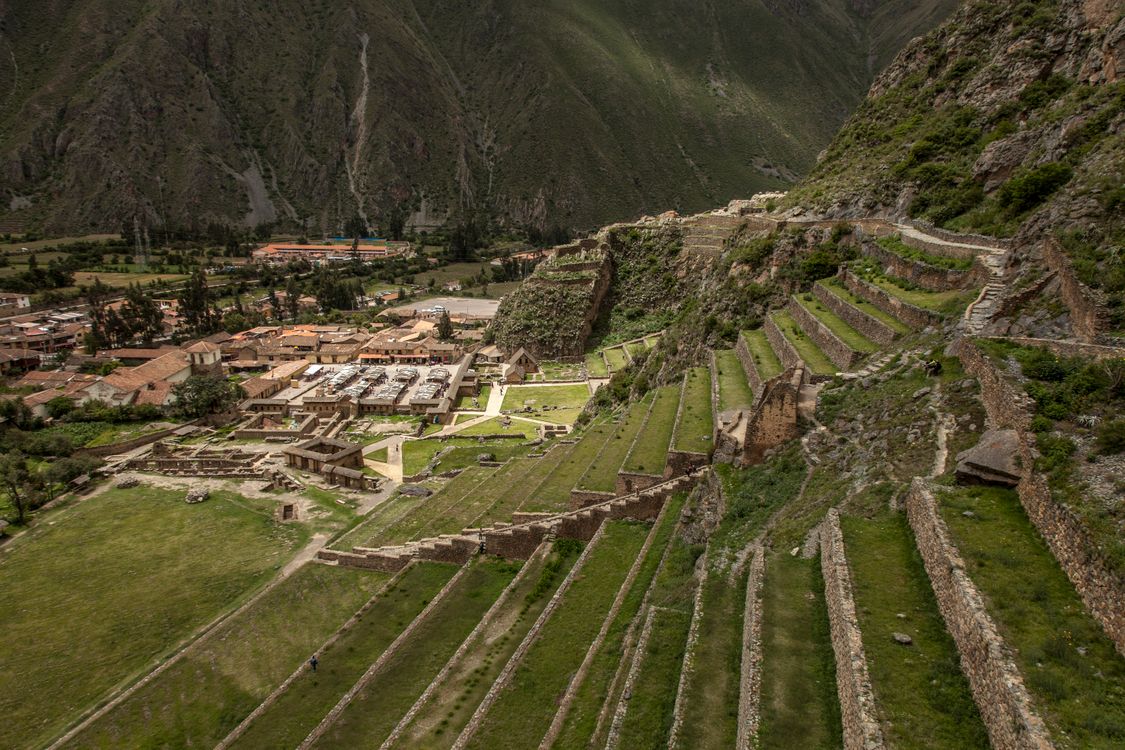
The Sacred Valley gives couples a backdrop few places on earth can match: terraced Inca hillsides, snow-dusted peaks, and villages where Quechua weaving traditions are still alive. For an elopement, that scenery does the work a ballroom never could. You trade floral arches for real mountains and candlelight for the Milky Way.
The appeal runs deeper than photographs. An elopement here is intimate by design, usually just the two of you, an officiant, and a photographer. That small footprint fits the valley, where sacred sites and living communities reward quiet presence over spectacle. Couples who want meaning over scale find the valley speaks their language.
Timing matters too. The dry season from May through October delivers bright, stable weather, which keeps an outdoor Andes wedding in Peru from being rained out. If a starlit celebration is part of your vision, those same clear months open the sky. For a wider romantic picture of the region, our guide to a Sacred Valley honeymoon near Chinchero pairs naturally with elopement planning.
Where Are the Best Ceremony Spots Near Chinchero?
The high plateau around Chinchero sits above the valley floor, which gives ceremonies a sweeping horizon of peaks on every side. Chinchero itself, sometimes called the Land of the Rainbow, is known for Inca ruins, Sunday markets, and weaving communities, so a ceremony here carries cultural weight as well as scenery.
A few settings stand out. Open meadows on the plateau frame couples against distant snowcaps with nothing man-made in sight. Terraced archaeological sites lower in the valley, near Ollantaytambo and Pisac, offer stone and symmetry that photograph beautifully in late afternoon light. For couples drawn to the sky, a private hillside above Chinchero turns dusk into part of the ceremony.
Altitude shapes the choice. Chinchero sits higher than Cusco, so many couples hold their vows slightly lower in the valley, where the air is easier, then return uphill for the celebration. Thinking about elevation early keeps your ceremony day comfortable rather than breathless.
How Do You Blend Andean Traditions Like Despacho Blessings?
A despacho blessing is the most meaningful way to root your vows in the Andes. The despacho is an offering of gratitude to Pachamama, Mother Earth, and to the Apus, the mountain spirits that watch over the valley. An Andean priest, known as a paq'o, leads the ritual, so it stays authentic rather than staged.
The ceremony builds slowly. The paq'o arranges coca leaves, flower petals, grains, and other symbolic elements into a careful bundle, each item placed with intention and a spoken blessing for the couple. When the bundle is complete, it is burned or buried, sending the offering to the earth and the mountains. Couples often describe the moment as the emotional center of their elopement.
You can weave in other local touches as well. Hiring Quechua-speaking musicians, sharing a few words of the local language, or exchanging textiles woven in Chinchero all deepen the sense of place. Learning a handful of Quechua greetings is a simple way to show respect to your officiant and hosts.
What Should You Plan for Permits, Logistics and Photography?
Start with the legal question, because it shapes everything else. A legally binding marriage in Peru generally requires at least one partner to be a resident, along with apostilled birth certificates, single-status documents, and Spanish translations completed in-country. For most international couples, that bar is high, so the common path is to marry legally at home and hold a symbolic Andean ceremony in the valley.
A symbolic ceremony frees you from paperwork, but logistics still need attention:
- Permissions: ceremonies at archaeological sites or protected areas may need advance authorization, so confirm access for your chosen spot.
- Officiant: book your paq'o or symbolic officiant early, especially in peak dry-season months.
- Acclimatization: arrive two or three days ahead so altitude does not shadow your ceremony day.
- Timing: schedule vows for golden hour, when Andean light is warmest and softest.
Photography deserves its own planning. The valley's scale rewards photographers who know the region and its light, so choose someone with local experience and a portfolio shot at altitude. Build a loose shot list around sunrise peaks, your despacho, and, if you are staying somewhere with open sky, a night portrait under the stars. The region's famously dark skies, explored in our piece on Inca astronomy and the dark constellations of the Andes, make astrophotography a genuine option here.
Why Choose a Private Glass Dome Stay for the Celebration?
A private glass dome suite solves the hardest part of an Andes elopement: holding the ceremony, the view, and the celebration in one place. At Sky Dome Peru, near Chinchero, the transparent domes frame the surrounding peaks by day and open onto the star field at night, so the setting that drew you to the valley stays with you from vows to morning coffee.
The practical advantages add up. You can host an intimate ceremony on the grounds, retreat to a warm suite as the temperature drops after sunset, and watch the sky without leaving your bed. For couples who want stargazing as part of the celebration, sleeping under the glass turns the Andean night into an extension of the wedding itself.
It also pairs well with the experiences that make the valley memorable, from alpaca encounters to heritage tours. A glass dome stay gives your elopement a private base that feels remote and comfortable at once, which is exactly what a celebration this personal deserves.
Frequently asked questions
Can foreigners legally get married in Peru's Sacred Valley?
A legally binding Peru marriage requires at least one partner to be a resident, plus apostilled and translated documents. Most international couples marry legally at home and hold a symbolic Andean ceremony in the Sacred Valley instead.
What is a despacho ceremony?
A despacho is an Andean offering of gratitude to Pachamama (Mother Earth) and the Apus (mountain spirits). An Andean priest arranges coca leaves, flowers and grains into a bundle that is then burned or buried.
When is the best time for a Sacred Valley elopement?
The dry season from May through October offers the clearest skies and lowest rain risk. June through August are peak months for outdoor ceremonies and starry evening celebrations.
How do I handle the altitude for an Andes wedding in Peru?
Chinchero sits at about 3,762 meters, higher than Cusco. Spend one or two nights in the lower Sacred Valley first to acclimatize before your ceremony day.
Where can we stay for a private Sacred Valley elopement?
Private glass dome suites near Chinchero let you hold the ceremony, watch the stars and celebrate in one place, with mountain views framed through the glass at all hours.