chinchero Peru Altitude: A Complete Guide for Travellers Visiting the Andes
Planning to visit Chinchero, Peru? Before exploring this beautiful Andean village or booking accommodation in the surrounding mountains, it is important to understand its altitude, the effects of high elevation and how to prepare for your visit.
Located in the Cusco region of southeastern Peru, Chinchero is famous for its traditional Andean culture, Inca archaeological remains, agricultural terraces and breathtaking mountain scenery. It is also an excellent destination for travellers who want to discover a more traditional side of Peru beyond the main tourist attractions.
However, Chinchero sits at a higher elevation than Cusco, which means altitude should be an important consideration when planning your trip.
In this guide, you will learn how high Chinchero is, whether altitude sickness is a concern, how Chinchero compares with Cusco and the Sacred Valley, and what European travellers should know before spending a night in the mountains.
- How High Is Chinchero, Peru?
Chinchero is located at approximately 3,760 metres (12,336 feet) above sea level.
This makes it one of the higher destinations in the Cusco region and an important consideration for travellers who are not accustomed to high-altitude environments.
For comparison:
Destination Approximate altitude
Chinchero 3,760 m / 12,336 ft
Cusco 3,400 m / 11,155 ft
Urubamba 2,870 m / 9,416 ft
Ollantaytambo 2,790 m / 9,154 ft
Machu Picchu 2,430 m / 7,972 ft
Sea level 0 m / 0 ft
Elevations are approximate and can vary depending on the exact location.
Why Is Chinchero’s Altitude Important?
At higher elevations, atmospheric pressure decreases, meaning less oxygen is available with each breath.
Your body needs time to adjust to these conditions. If you travel directly from sea level to the Andes, you may notice that walking uphill or climbing stairs requires more effort than usual.
For European visitors arriving from cities such as London, Amsterdam, Paris, Madrid, Berlin or Rome, the change in elevation can be particularly noticeable.
Even travellers who exercise regularly can experience symptoms related to altitude.
Travel tip: If you are planning to stay in Chinchero, check the altitude of your accommodation and consider how much time you will have spent in the Andes before arriving.
- Is Chinchero Higher Than Cusco?
Yes. Chinchero is approximately 360 metres higher than Cusco.
Although the difference may seem relatively small, it can matter when your body is still adjusting to high altitude.
Cusco itself is already located at approximately 3,400 metres above sea level. Travelling onwards to Chinchero means sleeping at an even higher elevation.
This is particularly relevant if you arrive in Peru after a long international flight and plan to travel directly to accommodation in the mountains.
Should You Visit Cusco Before Chinchero?
Your itinerary should depend on your arrival point, health, previous altitude exposure and how you feel.
If you are flying into Cusco from a destination near sea level, consider avoiding a rapid increase in sleeping altitude. Spending time at a lower elevation before staying in Chinchero may be a more comfortable option for some travellers.
For example, Urubamba and Ollantaytambo are both lower than Cusco and Chinchero.
However, spending a few nights in Cusco does not guarantee that you will be fully acclimatised. The risk of altitude sickness depends on several factors, including how quickly you ascend and your individual response to altitude.
If you develop symptoms, do not continue ascending until you have recovered and, when necessary, received medical advice.
- Can You Get Altitude Sickness in Chinchero?
Yes. Altitude sickness can occur in Chinchero because of its elevation of approximately 3,760 metres.
Altitude sickness, also known as acute mountain sickness, occurs when your body has not adapted sufficiently to the lower oxygen availability at high elevations.
Symptoms can develop several hours after arrival, including during the first night.
Common Symptoms of Altitude Sickness
Visitors may experience:
- Headaches.
- Nausea or reduced appetite.
- Dizziness.
- Unusual tiredness or weakness.
- Difficulty sleeping.
- Reduced tolerance for physical activity.
Some people experience only mild symptoms, while others can become seriously ill.
Being young, physically fit or an experienced hiker does not eliminate the risk.
How Can You Reduce the Risk?
If you are planning to visit Chinchero, consider the following recommendations.
- Ascend gradually when possible.
If your itinerary allows, spend time at a lower elevation before sleeping at 3,760 metres.
- Avoid strenuous exercise on arrival.
Give your body time to adjust. A demanding hike immediately after arriving in the Andes is not a good idea.
- Drink water regularly.
Maintain normal hydration and avoid excessive alcohol, especially during your first days at altitude.
- Eat according to your appetite.
Choose meals that are comfortable to digest, particularly if you feel slightly nauseated.
- Get enough rest.
A relaxed schedule can help you avoid unnecessary physical exertion, although rest alone does not prevent altitude sickness.
- Speak to a healthcare professional before travelling.
If you have concerns about altitude or are considering preventive medication, seek medical advice before your trip.
When Should You Seek Medical Help?
Do not ignore symptoms that become progressively worse.
If you develop a headache accompanied by nausea, dizziness or unusual fatigue, stop ascending and seek advice if symptoms persist or worsen.
Severe breathlessness at rest, confusion, difficulty walking straight or a worsening cough are emergency warning signs. They require immediate medical assistance and descent to a lower altitude when possible.
Your health should always come before your travel plans.
- What Is the Weather Like in Chinchero?
Because Chinchero is located high in the Andes, its weather can change quickly throughout the day.
Even when the sun is shining, temperatures may feel cool because of the elevation and mountain winds.
The region generally has two main seasons.
Dry Season: May to September
The dry season usually offers clearer skies and favourable conditions for exploring the surrounding landscapes.
This is a popular period for visiting the Cusco region, particularly between June and August.
Daytime sunshine can be strong, while temperatures may drop considerably after sunset.
Travellers should bring warm clothing even if they are visiting during the Peruvian winter.
Rainy Season: October to April
During the rainy season, the landscape becomes greener, and rainfall is more frequent.
Clouds can cover the mountains, and outdoor activities may require greater flexibility.
January, February and March can be particularly wet.
If you are planning photography, mountain walks or cultural visits, allow extra time in your itinerary in case weather conditions change.
What Should You Pack for Chinchero?
European visitors should consider bringing:
- A warm jacket or fleece.
- Thermal layers for cold evenings.
- A waterproof jacket.
- Comfortable walking shoes.
- Sunglasses and a sun hat.
- High-SPF sunscreen.
- Lip balm and moisturiser.
- A small daypack for excursions.
At high altitude, the sun can be intense even when the air feels cold. Sun protection is therefore essential throughout the year.
- Why Visit Chinchero, Peru?
Chinchero is much more than a high-altitude village. It is a destination where Andean traditions, Inca history and extraordinary landscapes come together.
Located between Cusco and the Sacred Valley, it offers a different perspective on the region for travellers interested in culture and nature.
Discover Traditional Andean Textiles
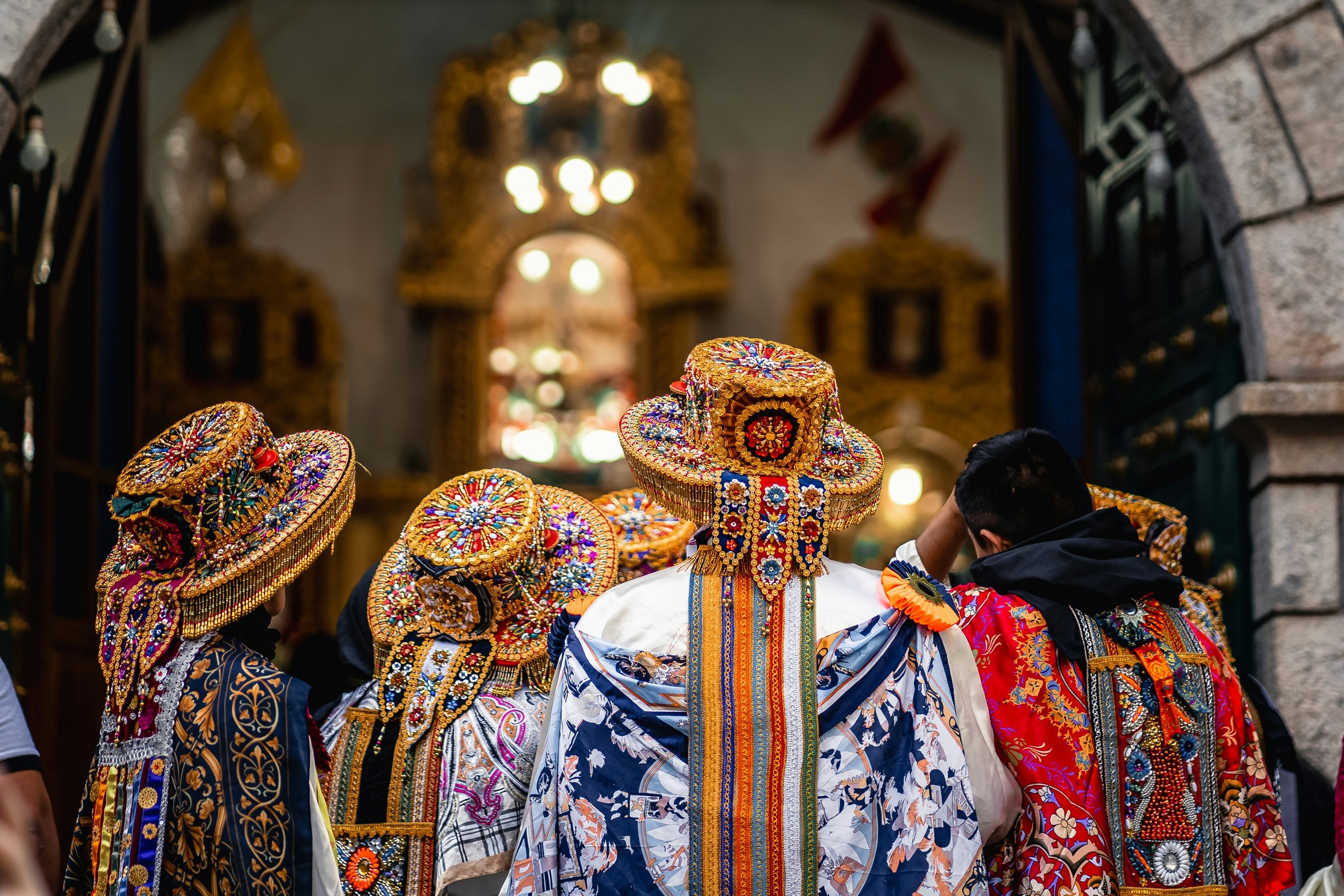
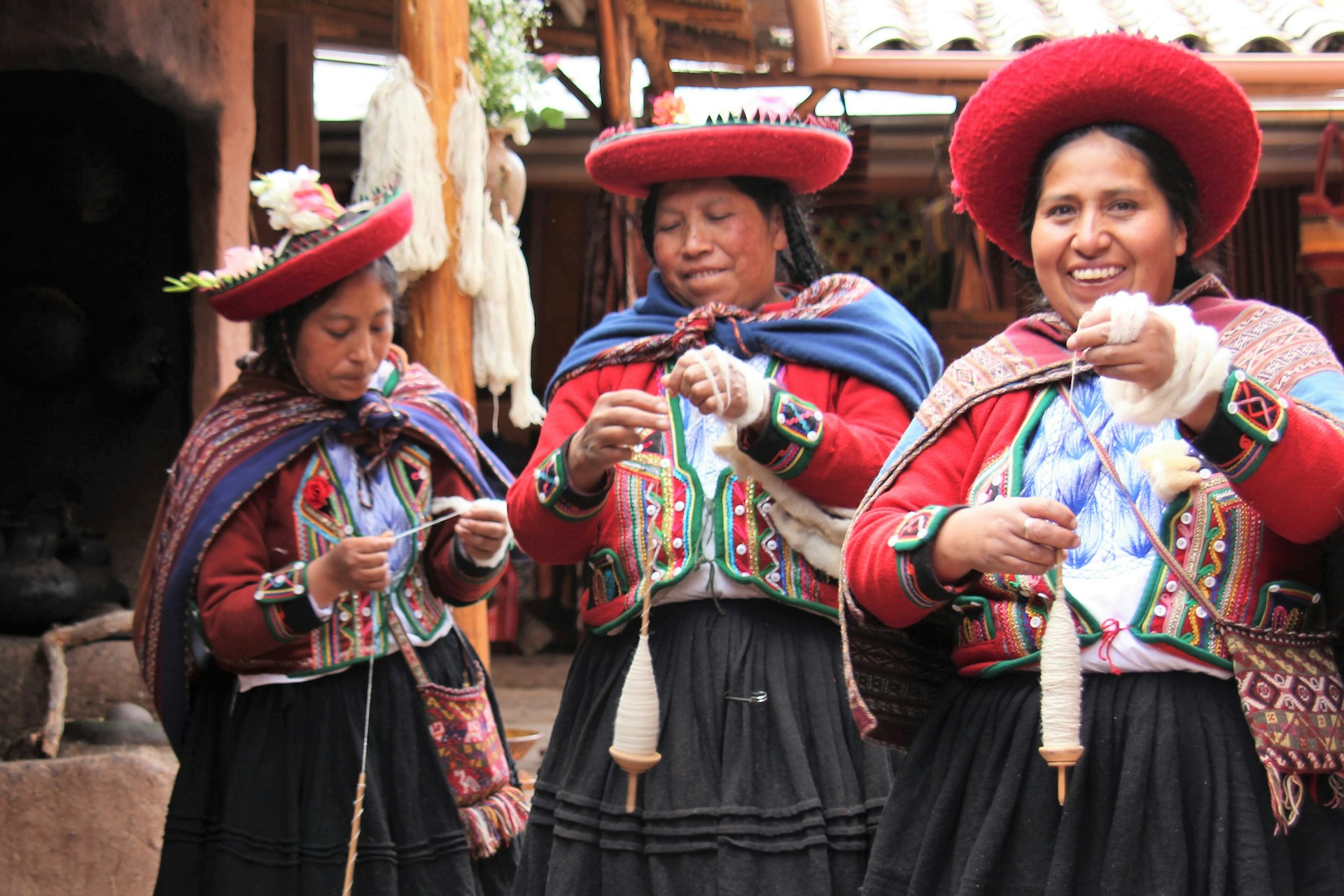
Chinchero is well known for its weaving traditions.
Local artisans preserve techniques passed down through generations, including wool preparation, natural dyeing, spinning and traditional weaving.
Depending on where you visit, you may have the opportunity to observe these techniques and learn about the cultural meaning of Andean textiles.
For European travellers interested in authentic cultural experiences, visiting a local weaving community can be one of the most memorable parts of a trip to Peru.
Explore Inca Archaeology
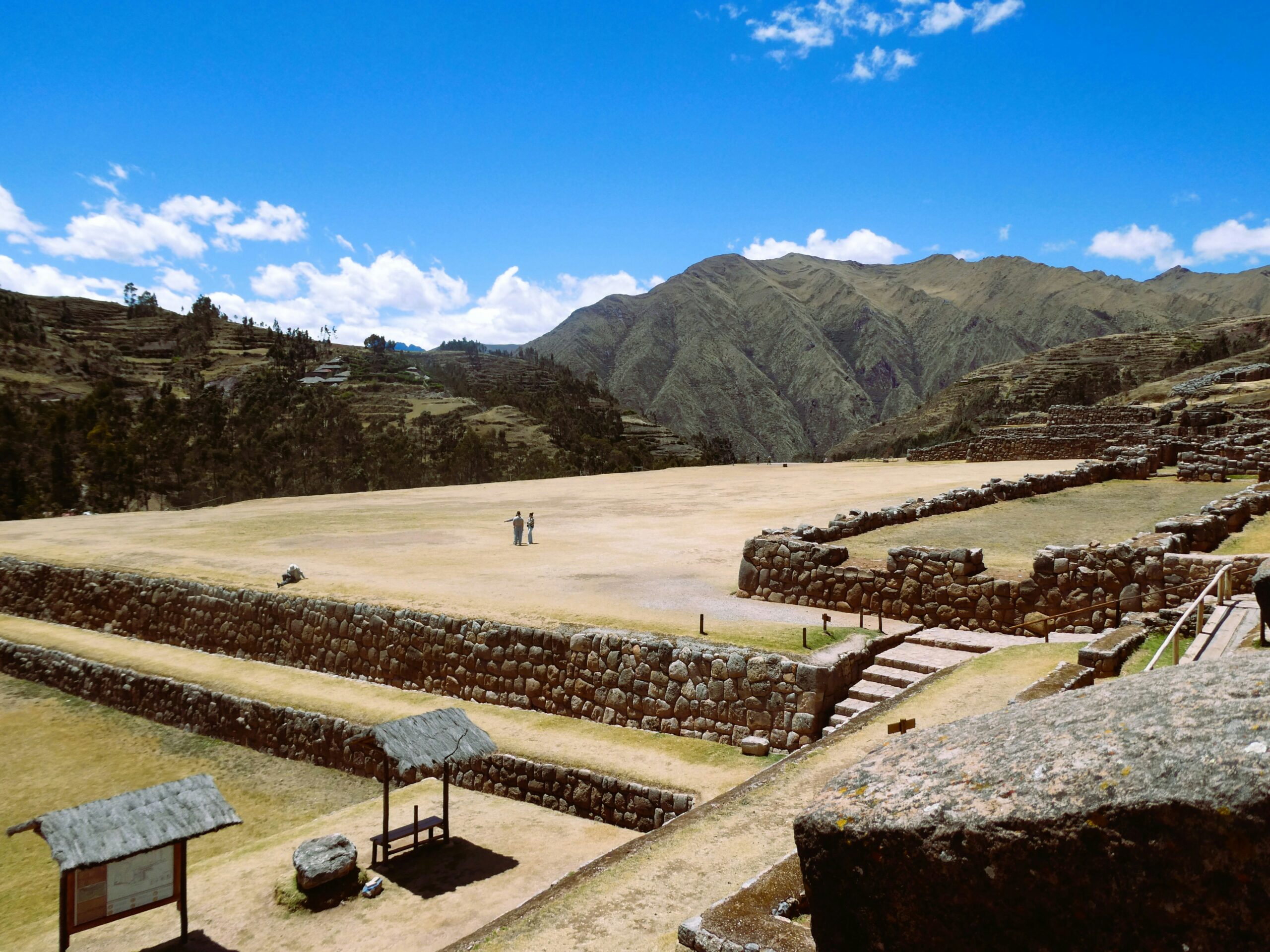
Chinchero also contains important archaeological remains and agricultural terraces associated with the Inca period.
The combination of Inca stonework, colonial architecture and traditional Andean life makes the village particularly interesting for visitors who want to understand Peru’s history beyond Machu Picchu.
Enjoy Spectacular Mountain Views
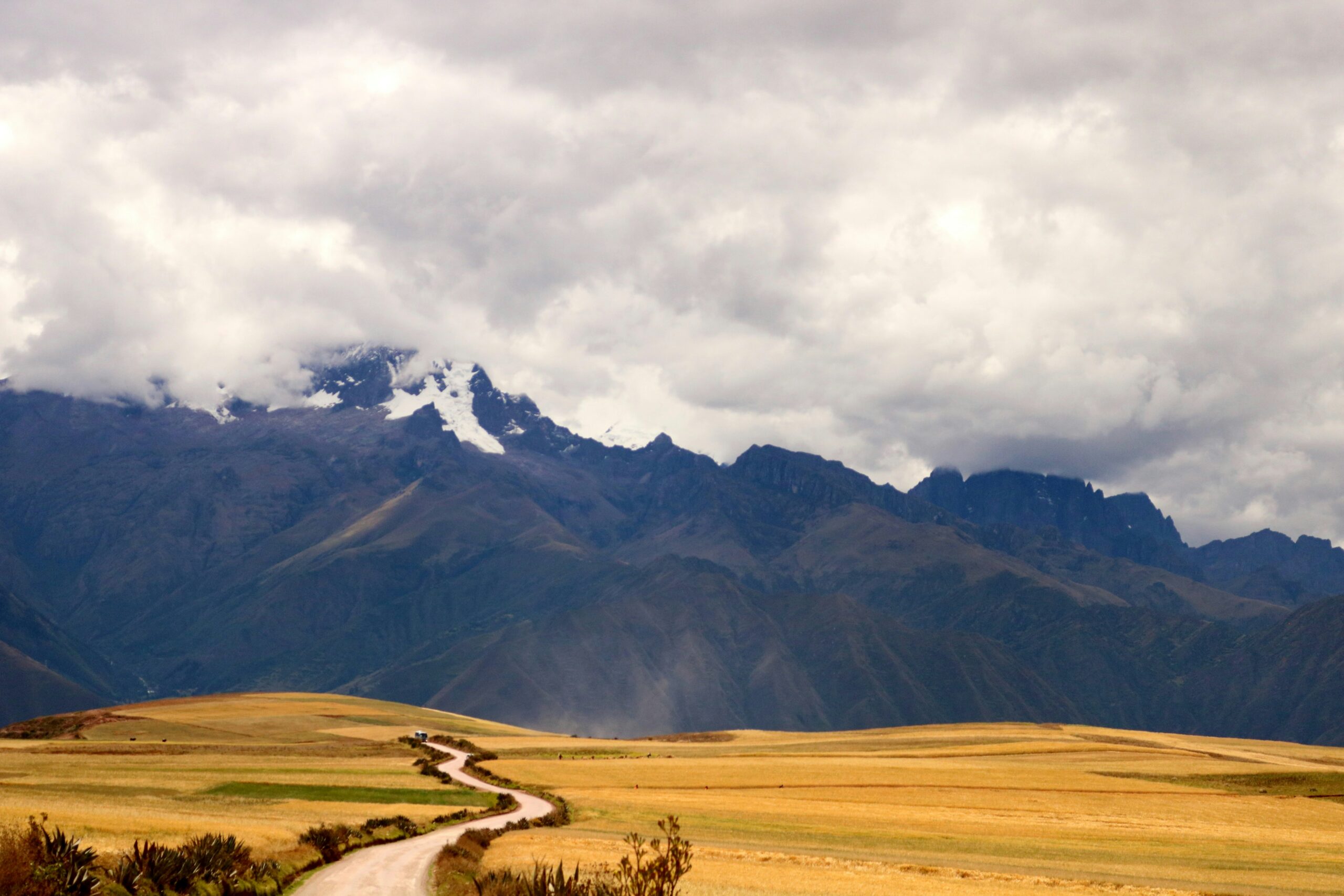
One of Chinchero’s greatest attractions is its natural setting.
The surrounding countryside features agricultural fields, open valleys and mountain landscapes that change colour throughout the day.
On clear days, the Andes provide an impressive backdrop for photography and outdoor experiences.
The high elevation also creates a distinctive atmosphere, with crisp air, wide horizons and dramatic mountain scenery.
Remember, however, that the same elevation that creates these beautiful landscapes also means you should take altitude precautions.
- Is Chinchero a Good Place to Stay Near Cusco?
Chinchero can be an excellent place to stay if you are looking for a peaceful mountain environment, traditional Andean culture and accommodation surrounded by nature.
Unlike central Cusco, where visitors find a wide selection of restaurants, shops and tourist services, some accommodation options around Chinchero are located in rural areas.
This can be an advantage for travellers who want to disconnect from busy urban environments, enjoy open landscapes and experience a quieter side of the Andes.
However, there are practical considerations to keep in mind.
Consider the Altitude Before Booking
The most important factor is Chinchero’s elevation.
At approximately 3,760 metres, the village is higher than Cusco and significantly higher than Urubamba and Ollantaytambo.
If you have just arrived in Peru, think carefully about whether staying at this elevation immediately is appropriate for you.
Travellers who are already acclimatised may be more comfortable with a stay in Chinchero, although individual responses to altitude vary.
Plan Your Transport
Some rural accommodation options are situated outside the village centre.
If you are travelling with luggage, arriving in the evening or planning to catch a train to Machu Picchu, arrange your transport in advance.
Check journey times with your accommodation provider and allow enough flexibility for traffic and weather conditions.
Prepare for Cold Nights
Mountain accommodation can feel cold after sunset, especially during the dry season.
Ask about available blankets, heating arrangements and other facilities before booking.
A little preparation will help you enjoy the experience more comfortably.
- Experience the Mountains at SkyDome Perú
For travellers looking for a unique stay in the Peruvian Andes, SkyDome Perú offers a different way to experience the mountain landscapes near Chinchero.
The property features glass domes surrounded by the rural scenery of the Andes, offering guests an opportunity to connect with nature and enjoy views of the surrounding mountains and countryside.
Rather than a conventional hotel environment, SkyDome Perú focuses on the experience of staying close to nature.
Depending on weather conditions, visitors may enjoy spectacular sunsets, peaceful surroundings and opportunities to observe the night sky.
The location also provides access to the cultural attractions of Chinchero and the wider Sacred Valley, making it an interesting addition to a journey through the Cusco region.
Is SkyDome Perú Suitable for Everyone?
Because SkyDome Perú is located near Chinchero at approximately 3,800 metres above sea level, its altitude should be considered before booking.
If you are arriving directly from Europe, particularly from a destination near sea level, you may wish to spend your first nights at a lower elevation before travelling to the property.
If you have already spent time acclimatising in the Andes, a stay may fit more comfortably into your itinerary.
Guests should also be prepared for cold mountain nights and the practical differences of staying in a rural setting.
The experience is particularly suited to travellers who value nature, mountain scenery, tranquillity and a different perspective on the Peruvian Andes.
Our recommendation: Plan your trip around both the experience you want and the elevation at which you will sleep. This will help you make a more informed decision about when to visit Chinchero.
- How Long Should You Stay in Chinchero?
The ideal length of stay depends on your interests and your overall travel itinerary.
For many visitors, half a day is enough to explore the village’s main attractions. However, staying overnight offers a different experience, allowing you to enjoy the mountain landscape during the evening and early morning.
Here are three options to consider.
A half-day visit
Suitable for travellers who want to visit the archaeological site, learn about traditional textiles and continue exploring the Sacred Valley.
A one-night stay
Ideal for visitors who want to experience the surrounding countryside and enjoy a quieter evening in the Andes.
A two-night stay
A good option for travellers who want more time to explore the area, enjoy nature and visit nearby attractions without rushing.
If you are concerned about altitude, remember that spending additional nights at 3,760 metres is not necessarily the best acclimatisation strategy for everyone. Your itinerary should be based on how you respond to altitude and, when appropriate, professional medical advice.
- Frequently Asked Questions About Chinchero’s Altitude
How many metres above sea level is Chinchero?
Chinchero is approximately 3,760 metres (12,336 feet) above sea level, although the exact elevation varies by location.
Is Chinchero higher than Cusco?
Yes. Chinchero is approximately 360 metres higher than Cusco, which sits at around 3,400 metres above sea level.
Is altitude sickness common in Chinchero?
Altitude sickness is possible at this elevation. Individual risk varies, and symptoms can occur even in healthy, physically fit travellers.
Should I stay in Cusco before visiting Chinchero?
It depends on your itinerary and how you respond to altitude. Because Chinchero is higher than Cusco, travellers arriving directly from sea level may prefer to spend time at a lower elevation before sleeping there.
Is Chinchero colder than Cusco?
Chinchero can feel colder, particularly at night and during the dry season, because of its higher elevation and local weather conditions. Temperatures vary throughout the year.
Can I visit Chinchero on my way to Machu Picchu?
Yes. Chinchero can be included in a trip through the Sacred Valley before or after visiting Machu Picchu. However, plan your transport carefully, especially if you have a train departure from Ollantaytambo.
What is the best time to visit Chinchero?
The dry season, generally from May to September, is popular for mountain scenery and sightseeing. The rainy season offers greener landscapes but requires more flexibility.
Is Chinchero worth visiting?
Absolutely. Chinchero combines traditional Andean culture, Inca archaeology, textile traditions and beautiful mountain scenery. It is an excellent destination for travellers who want to discover a different side of the Cusco region.
Final Thoughts: Understand the Altitude and Discover Chinchero
Chinchero is one of the most fascinating destinations in the Cusco region, offering a remarkable combination of Andean culture, history and mountain scenery.
Its elevation of approximately 3,760 metres makes it important to plan your visit carefully, especially if you are travelling from Europe and are not accustomed to high-altitude environments.
Understanding the difference between Chinchero, Cusco and the lower towns of the Sacred Valley can help you make better decisions about where to stay and when to visit.
Take your time, listen to your body, prepare for cold nights and allow your itinerary to remain flexible.
If you are looking for an experience surrounded by nature, the mountains near Chinchero offer a distinctive way to discover the Peruvian Andes.
Discover Chinchero, experience the beauty of the mountains and explore a different side of Peru with SkyDome Perú