The Sacred Valley of the Incas is one of the most beautiful destinations in Peru. Surrounded by majestic Andean mountains, traditional villages, ancient Inca ruins and breathtaking landscapes, this remarkable region offers European travellers an unforgettable combination of history, culture, adventure and nature.
Located near Cusco, the Sacred Valley is also an excellent place to begin your journey through the Andes, especially if you are planning to visit Machu Picchu, explore the Inca archaeological sites or experience the traditional lifestyle of local Andean communities.
However, before travelling to this high-altitude region, it is important to understand the elevation of the Sacred Valley, how your body may react to the altitude and why choosing the right place to stay can make a difference to your travel experience.
In this guide, you will discover everything you need to know about the Sacred Valley of the Incas, including altitude information, acclimatisation tips, the best places to visit and advice for planning a comfortable trip from Europe to Peru.
- Where Is the Sacred Valley of the Incas?
The Sacred Valley of the Incas, known in Spanish as Valle Sagrado de los Incas, is located in the Cusco region of southeastern Peru, in the heart of the Peruvian Andes.
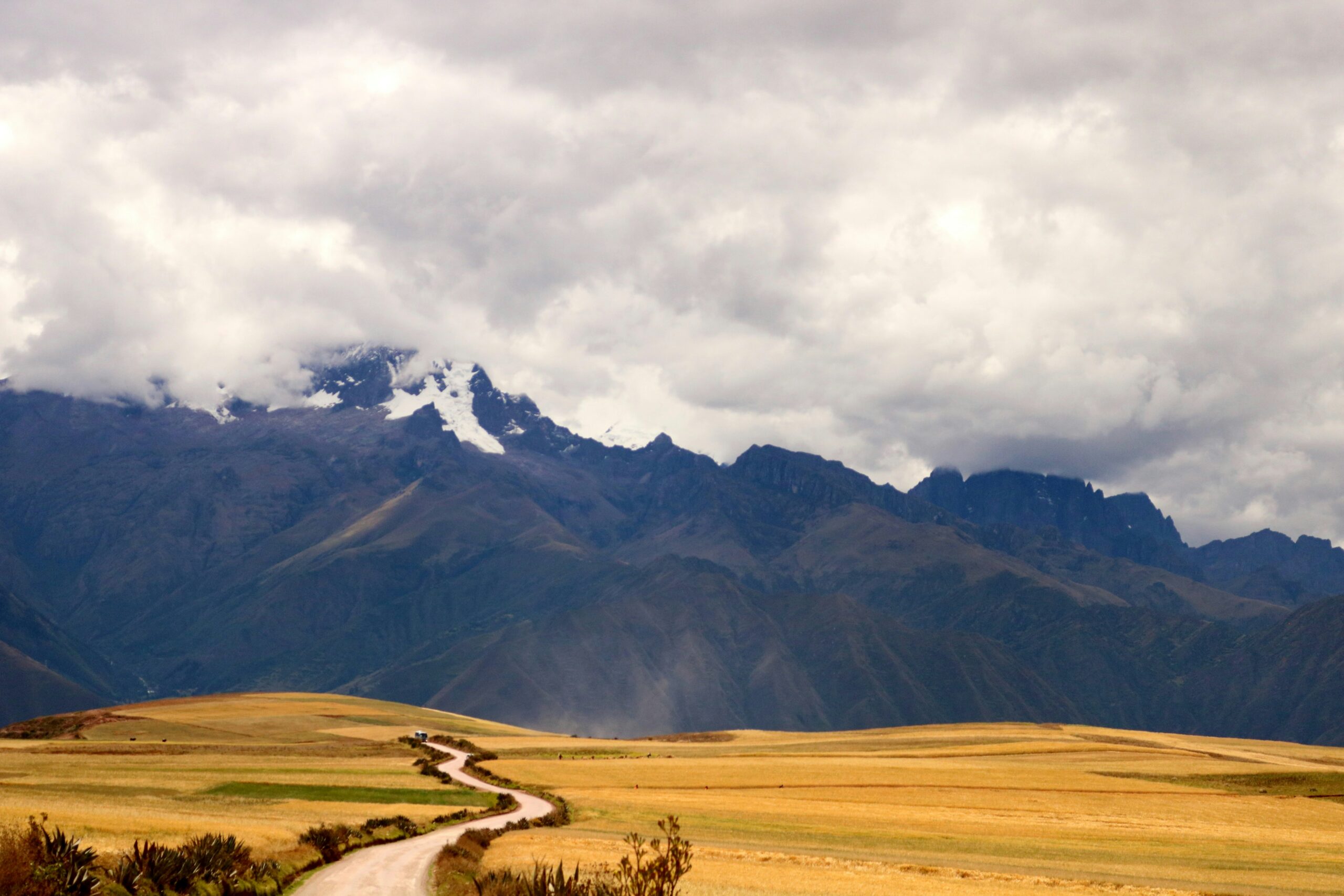
The valley follows the Urubamba River and is surrounded by impressive mountains, fertile agricultural land and traditional Andean villages. During the Inca Empire, this region was an important centre for agriculture, religious ceremonies and political activity.
Today, the Sacred Valley is one of Peru’s most popular destinations for travellers who want to discover Inca history while enjoying spectacular mountain scenery.
Some of the most interesting places to visit include:
- Pisac: Famous for its impressive Inca archaeological site, traditional market and panoramic mountain views.
- Urubamba: A lively town surrounded by mountains and agricultural landscapes, with accommodation options, restaurants and local services.
- Ollantaytambo: A remarkable Inca town with ancient stone streets, traditional architecture and an impressive archaeological complex.
- Moray: An extraordinary Inca agricultural laboratory featuring circular terraces built into the landscape.
- Maras Salt Mines: Thousands of traditional salt pools arranged along a mountainside, creating one of the most distinctive landscapes in the region.
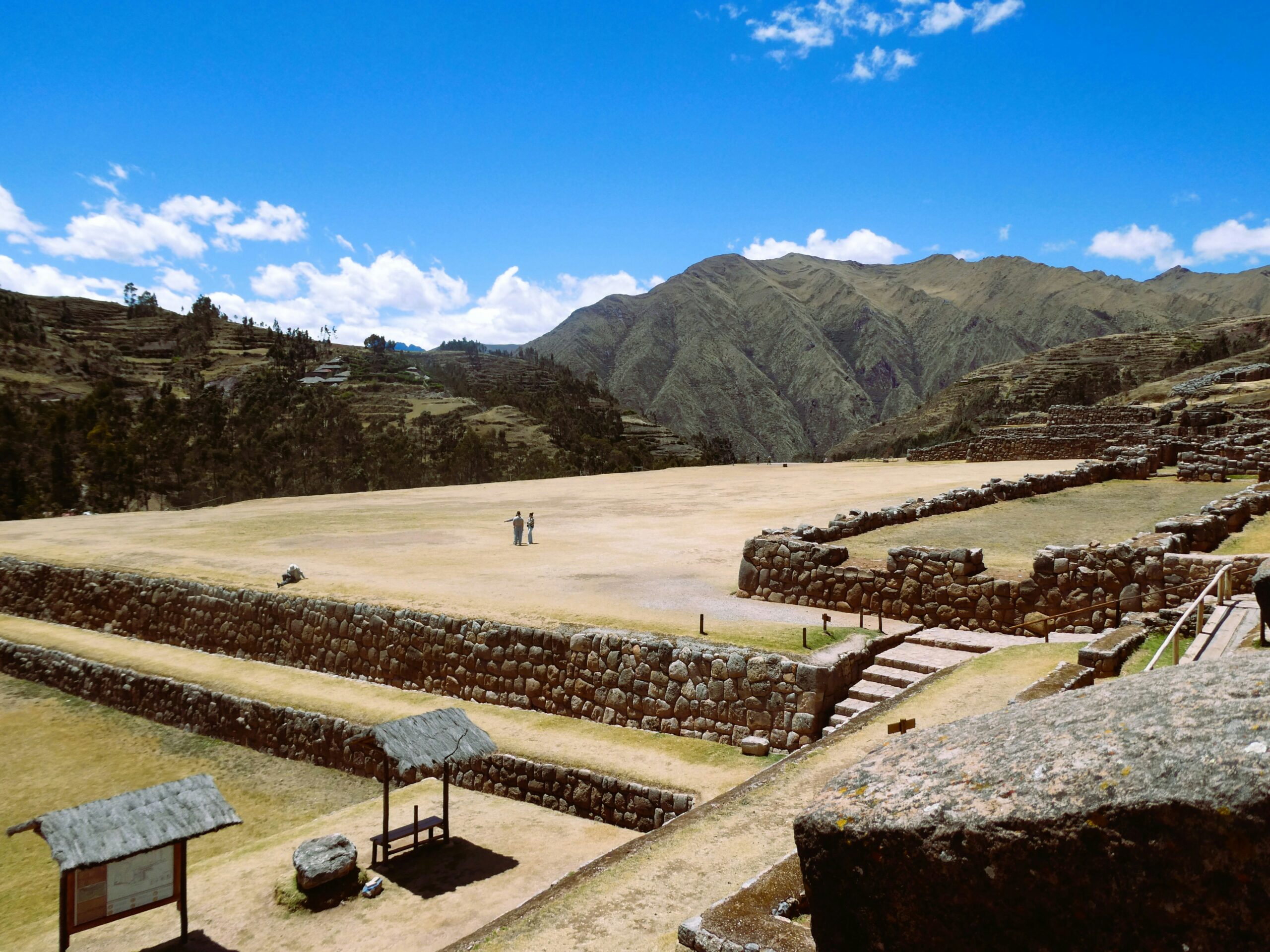
- Chinchero: A traditional Andean village known for its textile traditions, archaeological remains, agricultural terraces and spectacular mountain views.
The Sacred Valley is also an excellent base for exploring the Andes at a more relaxed pace before continuing to Machu Picchu.
- How High Is the Sacred Valley of the Incas?
One of the most important questions European travellers ask before visiting Peru is: How high is the Sacred Valley?
The answer depends on which town or location you visit. The Sacred Valley covers a large geographical area, and its elevation varies considerably.
Here are the approximate elevations of some popular destinations:
Destination Approximate altitude
Pisac 2,970 metres (9,744 feet)
Ollantaytambo 2,790 metres (9,154 feet)
Urubamba 2,870 metres (9,416 feet)
Chinchero 3,760 metres (12,336 feet)
Cusco 3,400 metres (11,155 feet)
Machu Picchu 2,430 metres (7,972 feet)
These elevations are approximate and may vary slightly depending on the exact location.
Is the Sacred Valley Higher Than Cusco?
Not necessarily. Many popular destinations in the Sacred Valley, including Ollantaytambo and Urubamba, are lower than Cusco.
Cusco stands at approximately 3,400 metres above sea level, while Ollantaytambo is around 2,790 metres.
This difference can be helpful for travellers who want to acclimatise gradually after arriving in the Andes.
However, not every part of the Sacred Valley is lower. Chinchero, for example, sits at approximately 3,760 metres above sea level, making it higher than Cusco.
Important: Do not assume that every place in the Sacred Valley is at a low altitude. Always check the elevation of your accommodation and planned activities when organising your itinerary.
- Can You Experience Altitude Sickness in the Sacred Valley?
Yes. Altitude sickness, also known as acute mountain sickness, can occur when you travel to high elevations before your body has had enough time to adjust to the reduced oxygen availability.
At higher elevations, the air contains less oxygen per breath than it does at sea level. This means your body must adapt to different conditions.
European visitors arriving from countries such as the United Kingdom, Germany, France, Spain, Italy, the Netherlands or Switzerland may notice the difference, particularly if they live close to sea level.
However, altitude sickness does not affect everyone in the same way. Your physical fitness does not guarantee protection, and even healthy, active travellers can experience symptoms.
Common symptoms include:
- Headaches.
- Dizziness or light-headedness.
- Nausea or reduced appetite.
- Unusual tiredness.
- Difficulty sleeping.
- Shortness of breath during physical activity.
Symptoms may develop several hours after arriving at altitude, so you might feel comfortable initially and notice discomfort later.
How Can You Reduce the Risk of Altitude Sickness?
The best approach is to give your body time to adapt.
Consider the following recommendations:
- Take your first days slowly.
Avoid strenuous hikes, running or demanding physical activities immediately after arriving in Cusco or the Sacred Valley.
- Plan a gradual itinerary.
If your travel arrangements allow it, avoid ascending rapidly to a significantly higher sleeping altitude. Spending time at a lower elevation can be helpful, but it does not eliminate the risk of altitude sickness.
- Drink water regularly.
Maintain normal hydration throughout the day. Avoid excessive alcohol, especially during your first days at altitude.
- Eat light meals if you feel uncomfortable.
Choose foods that are easy to digest and avoid forcing yourself to eat large meals if you feel nauseated.
- Listen to your body.
Do not continue ascending or undertake strenuous activities if you develop symptoms of altitude sickness.
- Seek medical advice when necessary.
If you have a medical condition or are concerned about how altitude may affect you, consult a healthcare professional before travelling. Ask about preventive medication if appropriate.
A headache combined with nausea, dizziness or unusual fatigue should not be ignored. If symptoms worsen, stop ascending and seek medical assistance.
Severe breathlessness at rest, confusion, difficulty walking straight or a worsening cough are emergency warning signs that require immediate medical attention and descent to a lower altitude when possible.
- Should You Stay in Cusco or the Sacred Valley First?
For many European travellers, choosing where to spend the first nights in Peru is an important part of planning a comfortable trip.
Cusco is a fascinating city with beautiful colonial architecture, Inca stonework, museums, restaurants and a lively cultural atmosphere. However, its elevation of approximately 3,400 metres can be challenging for some visitors who have just arrived from Europe.
Many towns in the Sacred Valley are lower than Cusco, which can make them attractive alternatives for the beginning of your journey.
For example, Ollantaytambo and Urubamba are both located below Cusco.
Why Consider the Sacred Valley for Your First Nights?
Staying in the Sacred Valley can offer several advantages:
- A lower sleeping altitude in certain locations: Towns such as Ollantaytambo and Urubamba are lower than Cusco, although altitude sickness can still occur.
- A more peaceful environment: Many accommodation options are surrounded by mountains, farmland and open landscapes.
- Access to archaeological sites: You can explore places such as Pisac, Moray, Ollantaytambo and the Maras Salt Mines.
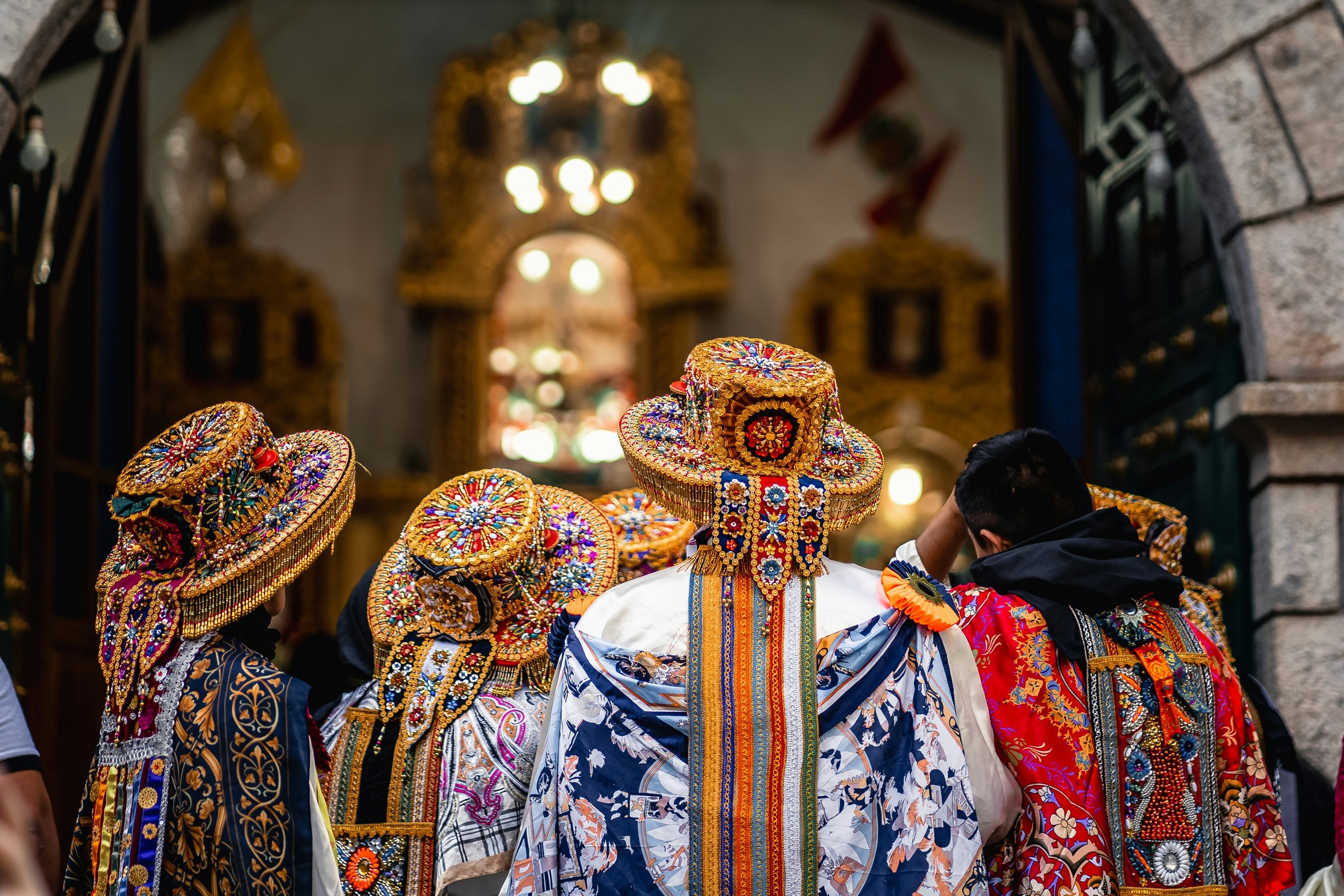
- Cultural experiences: Local communities continue to preserve traditional weaving, agricultural practices and Andean customs.
- A convenient route to Machu Picchu: Ollantaytambo is an important departure point for trains to Aguas Calientes, the town below Machu Picchu.
What About Staying in Chinchero?
Chinchero offers a different experience. It is known for its traditional Andean culture, textile traditions, archaeological remains and spectacular mountain scenery.
However, at approximately 3,760 metres, Chinchero is higher than Cusco.
If you are particularly concerned about altitude sickness, consider your sleeping elevation carefully. A stay in Chinchero may be wonderful for the scenery and cultural experience, but it should not be considered a lower-altitude alternative to Cusco.
For some travellers, spending the first nights in a lower town such as Urubamba or Ollantaytambo before visiting higher locations may be a more suitable option.
There is no single itinerary that works for everyone. Your arrival time, health, previous altitude exposure and planned activities should all influence your decision.
- The Best Time to Visit the Sacred Valley of the Incas
The Sacred Valley can be visited throughout the year, but weather conditions vary by season.
The region generally has two main seasons.
Dry Season: May to September
The dry season is often popular with travellers because it usually brings clearer skies and better conditions for sightseeing, photography and hiking.
June, July and August are particularly busy months, so booking accommodation and train tickets in advance is advisable.
Days can be sunny, but nights and early mornings may be cold, especially at higher elevations.
Rainy Season: October to April
The rainy season generally brings more frequent rainfall, greener landscapes and fewer visitors at certain times.
January, February and March can be particularly wet. Heavy rainfall may affect road journeys, hiking conditions and some outdoor activities.
Temperatures vary with elevation, cloud cover and time of day. Even during the warmer months, evenings in the Andes can feel cold.
Travel tip for Europeans: Pack layers, a waterproof jacket, comfortable walking shoes, sun protection and warm clothing for the evening. The combination of strong sunlight, cool air and rapidly changing mountain weather can surprise first-time visitors.
- What Can You Do in the Sacred Valley?
The Sacred Valley is much more than a route to Machu Picchu. It is a destination in its own right, with opportunities to explore ancient history, discover local traditions and enjoy the natural beauty of the Andes.
Explore Inca Archaeological Sites
Visit Ollantaytambo to discover monumental stone terraces, ceremonial structures and one of the most impressive surviving examples of Inca urban planning.
Pisac also offers spectacular archaeological remains, with terraces and stone structures overlooking the valley.
Allow yourself enough time to explore these places without rushing. Walking slowly can be especially helpful during your first days at altitude.
Discover Traditional Andean Culture
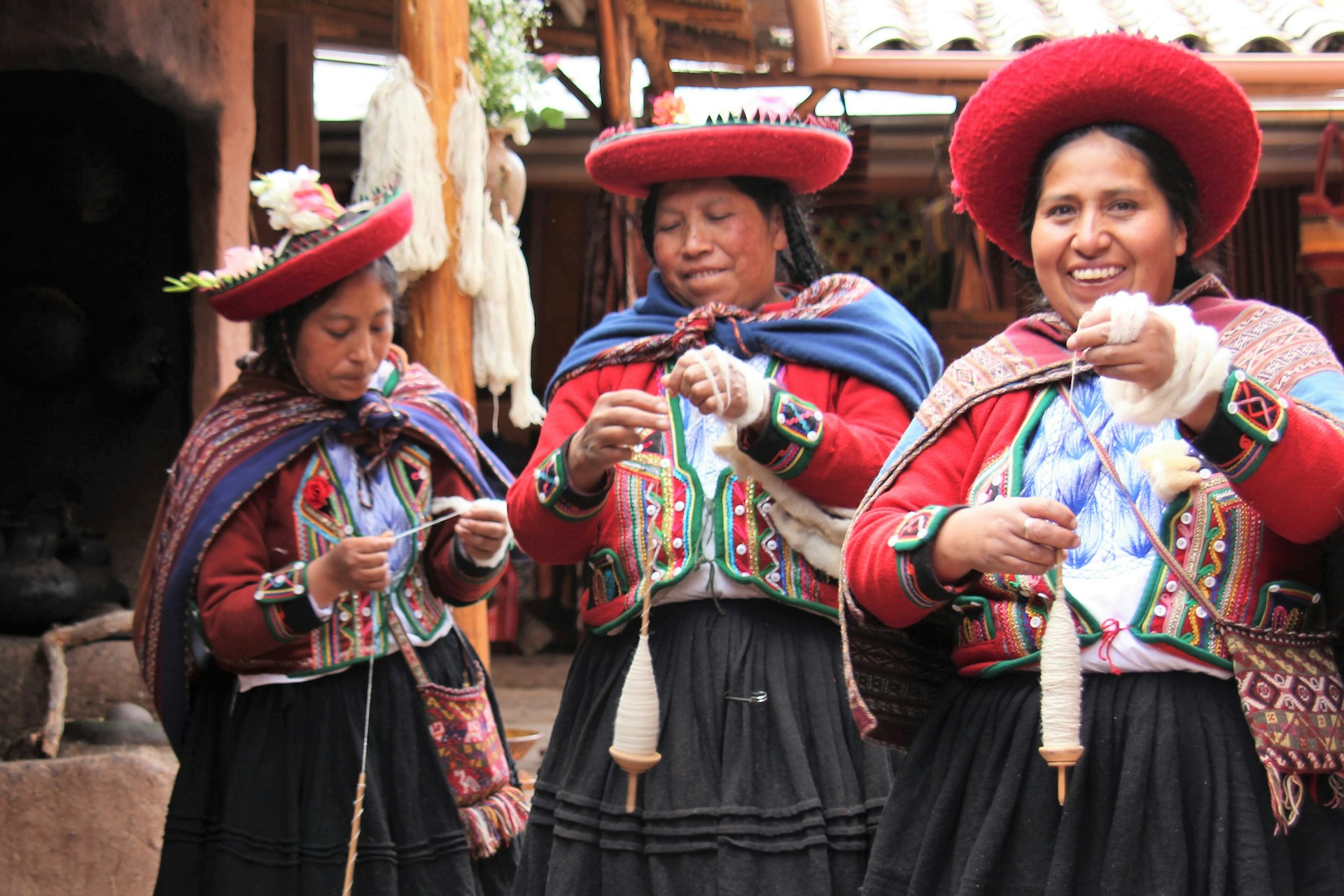
Chinchero is a wonderful place to learn about traditional textile production and the cultural heritage of Andean communities.
Local artisans preserve weaving techniques that have been passed down through generations. Depending on where you visit, you may be able to observe how natural dyes are prepared, how wool is spun and how traditional patterns are created.
These experiences offer a deeper understanding of the people and traditions that continue to shape life in the Andes.
Visit the Maras Salt Mines and Moray
The Maras Salt Mines are a remarkable example of traditional salt production, with numerous shallow pools built into the mountainside.
Nearby Moray features concentric agricultural terraces that demonstrate the Incas’ sophisticated knowledge of farming and environmental conditions.
These sites are particularly interesting for travellers who appreciate history, photography and landscapes that combine human ingenuity with nature.
Experience the Andes Beyond the Main Tourist Routes
For visitors who want something different from conventional hotels and busy tourist centres, the Sacred Valley also offers rural accommodation, nature-based experiences and opportunities to connect with local communities.
You can enjoy mountain walks, learn about Andean agriculture, observe traditional ways of life or simply take time to appreciate the silence and vastness of the landscape.
The best experiences often come from slowing down and allowing yourself to discover the region at a more natural pace.
- Stay Close to Nature at SkyDome Perú
For travellers seeking a distinctive accommodation experience in the Andes, SkyDome Perú offers an opportunity to enjoy the landscapes of the Sacred Valley from a different perspective.
Located in the mountains near Chinchero, SkyDome Perú combines glass-dome accommodation with open views of the surrounding Andean landscape.
Rather than offering a conventional hotel experience, the property invites guests to connect with nature, enjoy the mountain scenery and discover a quieter side of the Cusco region.
Depending on the weather, guests may enjoy expansive mountain views, beautiful sunsets and opportunities to observe the night sky.
The surrounding countryside offers a glimpse of rural Andean life, including agricultural landscapes and the traditions of communities that have maintained a close relationship with the mountains for generations.
Is SkyDome Perú Suitable for Travellers Concerned About Altitude?
This is an important consideration when planning your stay.
SkyDome Perú is located near Chinchero, at approximately 3,800 metres above sea level. This is a high-altitude environment, and some travellers may experience symptoms associated with altitude sickness.
Although the experience of staying in a glass dome surrounded by mountains can be memorable, the accommodation’s elevation should be considered when choosing your itinerary.
If you are arriving directly from Europe, particularly from a destination near sea level, you may wish to spend your first nights at a lower elevation before staying in Chinchero.
Travellers who are already acclimatised may find that the mountain setting provides a wonderful opportunity to enjoy the landscape and experience a different side of the Sacred Valley.
At SkyDome Perú, the focus is on nature, tranquillity and the beauty of the Andes. It can be a special addition to a trip for visitors who want to experience more than the region’s traditional tourist attractions.
Important: SkyDome Perú is not a low-altitude retreat. Please consider its elevation when planning your acclimatisation, especially if you are travelling with children or have concerns about altitude-related symptoms.
- How Many Days Should You Spend in the Sacred Valley?
For most travellers, spending two to four days in the Sacred Valley allows enough time to discover several of its main attractions without feeling rushed.
Here is an example of a flexible itinerary.
Day 1: Arrival and relaxation
Arrive in the Cusco region and keep your schedule light. Depending on your arrival point and health, consider staying in a lower-altitude town such as Urubamba or Ollantaytambo.
Avoid demanding activities and give yourself time to rest.
Day 2: Explore the Sacred Valley
Visit the archaeological site of Pisac or explore Ollantaytambo. Enjoy the landscapes, discover local markets and learn about Inca history.
Day 3: Moray, Maras and Chinchero
Discover the circular terraces of Moray, the salt pools of Maras and the cultural traditions of Chinchero.
Remember that Chinchero is higher than Cusco, so consider your acclimatisation and how you feel before visiting.
Day 4: Continue to Machu Picchu or enjoy a nature experience
Travel towards Ollantaytambo to take the train to Aguas Calientes, or spend additional time exploring the mountains and countryside.
Adjust the itinerary to your arrival time, health, transport arrangements and the activities you wish to enjoy.
If you are planning demanding treks, such as the Inca Trail or Rainbow Mountain, allow sufficient time for acclimatisation and obtain appropriate advice before setting out.
- Practical Travel Tips for European Visitors
Travelling from Europe to Peru involves a significant change in climate, time zone and elevation. A little preparation can make your trip much more comfortable.
Allow Time to Adjust After Your Flight
Long international flights can be tiring. If possible, avoid planning a strenuous hike immediately after arriving in Peru.
Rest, eat regularly and give yourself time to adapt to the local conditions.
Bring the Right Clothing
Even if you visit during the dry season, temperatures can drop considerably after sunset.
Bring warm layers, a waterproof jacket, comfortable footwear, sunglasses, sunscreen and a hat.
Protect Yourself from the Sun
UV exposure can be intense at high elevations, even when the weather feels cool or cloudy. Use high-SPF sunscreen and reapply it regularly.
Plan Your Transport in Advance
The Sacred Valley is spread across a large area, and some rural accommodation options are located away from main roads and town centres.
Arrange your transport in advance, particularly if you are travelling with luggage, arriving late or continuing to Ollantaytambo for a train.
Check the Altitude of Your Accommodation
Do not rely exclusively on the name of a destination. Two places in the same region can have very different elevations.
If altitude sickness is a concern, ask your accommodation provider for its approximate elevation and discuss your travel plans with a healthcare professional when appropriate.
- Is the Sacred Valley Worth Visiting Before Machu Picchu?
Absolutely.
For many European visitors, the Sacred Valley becomes one of the highlights of their journey through Peru.
It offers an opportunity to discover Inca history beyond Machu Picchu, learn about traditional Andean culture and experience the spectacular landscapes of the Peruvian Andes.
It can also help you organise your itinerary more thoughtfully, especially if you choose accommodation that matches your preferred travel pace and altitude considerations.
Whether you explore ancient archaeological sites, visit traditional weaving communities, photograph the mountains or spend a night surrounded by nature, the Sacred Valley offers experiences that go far beyond a simple stop on the way to Machu Picchu.
The key is to plan carefully, understand the altitude of each destination and give yourself enough time to enjoy the journey.
Final Thoughts: Discover the Sacred Valley at Your Own Pace
The Sacred Valley of the Incas is a place where history, nature and Andean culture come together.
From the ancient terraces of Pisac and Ollantaytambo to the traditional weaving communities of Chinchero, every destination reveals another part of Peru’s remarkable heritage.
For European travellers, understanding the region’s altitude is an essential part of planning a safe and enjoyable visit. Some towns are lower than Cusco, while others, including Chinchero, are considerably higher. Choosing where to sleep during your first days in the Andes can therefore make a meaningful difference to your itinerary.
If you are looking for an experience that combines mountain landscapes, tranquillity and a closer connection with nature, consider adding a nature-based stay to your journey.
Discover the Sacred Valley of the Incas, take your time to acclimatise and experience the Andes beyond the ordinary.
Explore the mountains near Chinchero and discover the unique atmosphere of SkyDome Perú, where the beauty of the Andean landscape becomes part of your travel experience