Key takeaways
- The Sacred Valley floor sits several hundred meters below Cusco city, so most travelers acclimatize more comfortably by sleeping in the valley first.
- Sacred Valley towns like Ollantaytambo put you closer to the Machu Picchu train, cutting the transfer that Cusco-based visitors still have to make.
- Choose Cusco for nightlife, museums and city energy; choose the Sacred Valley for quiet nights, open landscapes and stargazing.
- Glamping options such as Sky Dome Peru near Chinchero exist only in the valley, pairing rural calm with glass-dome comfort.
Most first-time visitors should base themselves in the Sacred Valley rather than Cusco city, mainly because the valley sits lower and eases altitude adjustment. Cusco wins if you want nightlife, museums and a walkable historic core. The cusco vs sacred valley decision really comes down to altitude, how close you want to be to Machu Picchu, and whether you prefer city buzz or rural calm. This guide walks through each factor so you can pick the right base with confidence.
How Does Altitude Affect the Cusco vs Sacred Valley Choice?
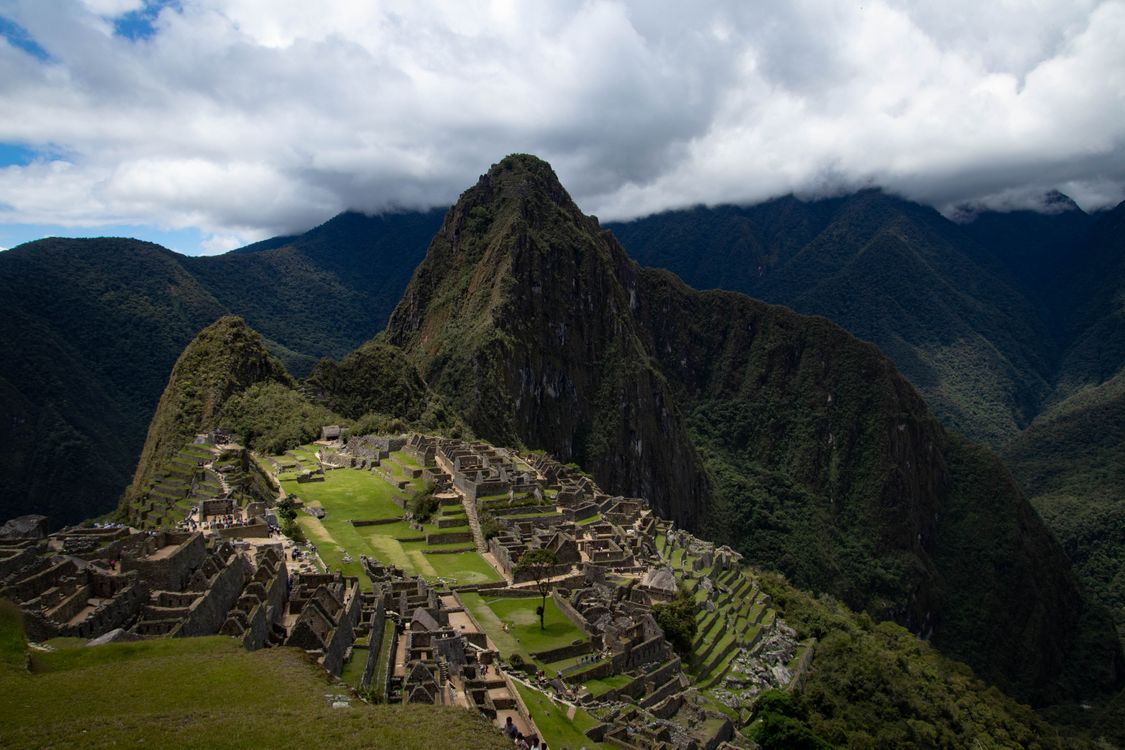
Altitude is the single biggest reason many travelers stay in the Sacred Valley first. Cusco city sits several hundred meters higher than the valley floor near Urubamba and Ollantaytambo. That gap matters for how your body adjusts during the critical first 24 to 48 hours after arrival.
The CDC classifies sleeping elevations by risk. Altitude illness becomes a real concern at sleeping heights of 2,450m and above, and risk rises steeply past 3,400m (CDC Yellow Book, 2024). Cusco sits near that higher-risk threshold, so arriving straight from sea level and sleeping there can trigger headaches, nausea and poor sleep.
Spending your first nights in the valley gives your body a gentler start. You still visit Cusco for day trips, but you sleep lower and recover better. One thing worth flagging: Chinchero, on the valley's rim, actually sits higher than Cusco itself, so not every valley spot is low. Ask your accommodation about its exact elevation before you book.
Which Base Gives Better Access to Machu Picchu and the Ruins?
The Sacred Valley puts you closer to Machu Picchu, and that convenience adds up. Trains to Aguas Calientes depart from Ollantaytambo, deep in the valley. Staying in the valley means a short drive to the platform, while Cusco travelers usually spend 1.5 to 2 hours reaching the same station before they even board.
Machu Picchu itself manages crowds through daily entry caps, so planning ahead matters wherever you sleep. If you want a structured route that threads the major sites together, our perfect 3-day Sacred Valley itinerary maps the ruins, transfers and rest days in a sensible order.
The valley also surrounds you with world-class sites beyond the headline citadel. Ollantaytambo, Pisac and Moray all sit within easy reach, and many open early before the Cusco day-trip buses arrive. Cusco rewards you differently, with Sacsayhuaman, Qorikancha and the colonial center all walkable from the Plaza de Armas. Both bases let you see extraordinary Inca and colonial heritage; the valley simply trims the daily travel time toward Machu Picchu.
Timing also favors valley-based travelers on the day of the big visit. Because the train platform is close, you can leave later, return earlier and still spend a full afternoon at the ruins. Cusco guests often start before dawn to cover the transfer, which eats into sleep that altitude already disrupts. If you want unhurried mornings and a shorter day on the road, the valley gives you both, and it leaves more energy for the hikes and viewpoints that make the citadel memorable.
City Buzz or Rural Calm: What Is the Atmosphere Like?
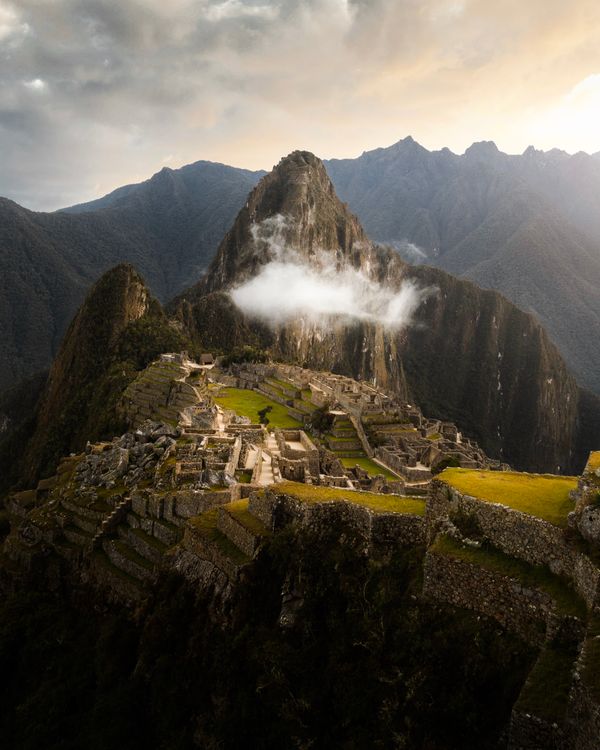
Cusco and the Sacred Valley offer almost opposite moods, and your ideal base depends on which you crave. Cusco is lively, historic and social. Its lamplit plazas, restaurants, bars and markets stay busy well into the evening, and you can walk from a museum to dinner in minutes.
Peru welcomed 4,157,469 international visitors by the end of 2025, a 4.1% increase over the prior year (Andina, 2026). Much of that foot traffic funnels through Cusco, which keeps the city energetic but also crowded around peak sights. If you enjoy people-watching and easy access to nightlife, that density is a feature rather than a flaw.
The Sacred Valley trades that energy for space and quiet. Nights are dark and still, the air smells of eucalyptus and farmland, and the pace slows to match the surrounding fields and peaks. Those dark skies make the valley ideal for stargazing, a tradition the Inca understood deeply and read in the dark constellations overhead.
What Accommodation and Glamping Options Does Each Offer?
Cusco leans toward boutique hotels, hostels and converted colonial mansions, all within the historic grid. You trade outdoor space for walkability, and you rarely need a taxi to reach dinner or a museum. For travelers who want everything a few steps away, that compact footprint is hard to beat.
The Sacred Valley specializes in a different kind of stay. Here you find haciendas, eco-lodges, wellness retreats and open-air glamping set against mountains and terraced fields. Glass-dome suites, like those at Sky Dome Peru near Chinchero, let you watch the stars from bed while keeping a heated, comfortable room. That blend of nature and comfort simply does not exist inside a dense city center.
Glamping suits travelers who want the landscape to be part of the room rather than a view from a window. Sky Dome Peru pairs its domes with Andean experiences such as alpaca hikes and local heritage tours, so the accommodation becomes the base for the trip rather than just a place to sleep. If you are new to the format, the valley is where the concept shines brightest.
Who Should Choose Cusco, and Who Should Choose the Sacred Valley?
Choose Cusco if you want city life, museums, restaurants and nightlife within walking distance, and if you have already acclimatized elsewhere or plan a slow, careful first day. It is the better fit for short trips centered on the city's own sites, for nightlife seekers, and for travelers who like being surrounded by activity.
Choose the Sacred Valley if acclimatization, quiet and closeness to Machu Picchu rank highest for you. It suits families wanting space to roam, couples after a romantic and restful setting, and anyone drawn to nature, stargazing or glamping. The lower valley floor is a kinder landing spot after a long-haul flight, and the shorter train transfer reduces travel-day stress.
Many travelers split the difference: a few nights in the valley to acclimatize and reach Machu Picchu, then a night or two in Cusco at the end to enjoy the city once their bodies have adjusted. That sequence captures the strengths of both bases and spreads the altitude gain across your trip instead of front-loading it on day one.
Making Your Decision
If you are still weighing where to stay in the Sacred Valley versus the city, start by booking your first two or three nights in the valley, then add a short Cusco stay at the end if the city appeals to you. That order protects your acclimatization and keeps you close to the Machu Picchu train when it matters most. To see what a glass-dome stay near Chinchero actually includes, explore Sky Dome Peru's suites and Andean experiences, and reserve early for high-season dates.
Frequently asked questions
Is it better to stay in Cusco or the Sacred Valley?
For most first-time visitors the Sacred Valley is the better first base. Its lower elevation eases acclimatization and it sits closer to the Machu Picchu train. Cusco suits travelers who want city life and museums.
Which is lower altitude, Cusco or the Sacred Valley?
The Sacred Valley floor near Urubamba and Ollantaytambo sits several hundred meters lower than Cusco city. Sleeping lower helps many travelers avoid the worst altitude symptoms during their first nights.
Is the Sacred Valley closer to Machu Picchu than Cusco?
Yes. Trains to Machu Picchu leave from Ollantaytambo in the Sacred Valley. Staying in the valley shortens the overland transfer, while Cusco visitors usually drive 1.5 to 2 hours to reach the same station.
Can you go glamping in the Sacred Valley?
Yes. The valley has luxury glamping stays, including glass-dome suites near Chinchero at Sky Dome Peru, where travelers combine comfortable rooms with open Andean views and dark night skies for stargazing.